
The Bait Adam Museum stands out among Oman museums as a private heritage site, offering an intimate window into the nation’s history and royal legacy.
Location of Bait Adam Museum in Muscat
Finding the exact bait adam museum location is straightforward for travelers exploring the capital. Situated in a quiet, upscale neighborhood, the museum is nestled in Madinat Al Sultan Qaboos, a central and easily accessible district within the Muscat Governorate. Its strategic placement allows tourists to seamlessly combine their visit with other major landmarks in the capital, bridging the gap between modern city life and the deeply rooted traditions of ancient Oman.
History of Bait Adam Museum
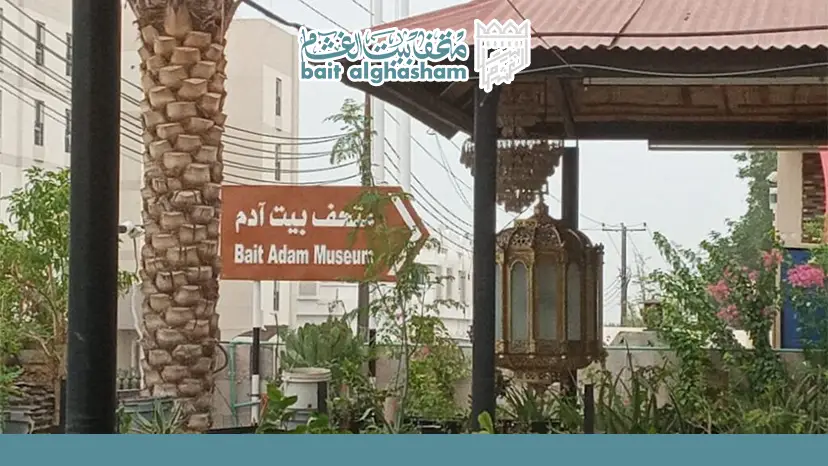
The History of Bait Adam Museum is a testament to personal passion and dedication to heritage preservation, standing as one of the most prominent private initiatives in the Sultanate.
- The Visionary Founder: The museum was established by its dedicated owner and curator, Mr. Latif Al Balushi. It was born out of his lifelong passion and commitment to collecting, preserving, and archiving rare historical items that reflect Oman’s authentic identity.
- Decades of Curation: Over several decades, this private collection grew systematically. What started as a personal endeavor was meticulously organized, cataloged, and eventually transformed into a certified private museum recognized for its historical accuracy.
- Documenting Diplomatic & Military Past: Unlike generic collections, the history of this institution is deeply rooted in documenting Oman’s international relations. It tracks the Sultanate’s early diplomatic ties, maritime achievements, and military history through original documents and artifacts.
- A Mirror to the Al Said Dynasty: A significant part of the museum’s history is dedicated to chronicling the profound transformation of the Sultanate under the ruling Al Said dynasty. It highlights the transition into the modern Renaissance era while preserving the memories of the people who witnessed this journey.
- Evolution into a Cultural Hub: Originally a private residence, the site evolved into an educational sanctuary. Today, it serves as a specialized archive where international historians, researchers, and tourists can access unique family heirlooms and rare political memorabilia.
While exploring the capital’s heritage, you can easily pair your itinerary with a trip to the nearby Bait Al Zubair Museum, which showcases an incredible collection of ethnographic artifacts in Old Muscat.
Architecture and Design of Bait Adam Museum
The Architecture and Design of Bait Adam Museum perfectly reflects the essence of traditional Omani living mixed with understated elegance, blending classic heritage with modern functionality.
- The Private Villa Concept: Housed in a beautifully designed private villa, the building’s exterior honors traditional Omani residential aesthetics. It uses clean, white facades and geometric windows that mirror the historic architecture of Muscat, ensuring the structure harmonizes with the cultural identity of the neighborhood.
- Intricately Carved Woodwork: Upon entering, the museum showcases exceptional Omani craftsmanship. The building incorporates heavy, intricately carved wooden doors and embellished window frames that replicate antique designs from Mutrah and Old Muscat, complete with traditional brass studs and floral engravings.
- Strategic Interior Layout: The interior floor plan is deliberately structured to break away from the rigid, sterile atmosphere of standard public galleries. The space flows naturally from one exhibition room to another, mimicking the intimate layout of an elite historical Omani residence.
- The Authentic Majlis Spaces: Central to the museum’s design are the warm, welcoming Majlis areas. Decorated with traditional low seating, plush cushions, and ornate brass incense burners (Midkhan), these spaces are engineered to serve their historical purpose—fostering conversation and welcoming visitors with authentic hospitality.
- Illumination and High Ceilings: The design utilizes high ceilings to create a sense of grandeur and airiness, effectively regulating the indoor temperature. Strategic lighting is implemented throughout the galleries to highlight the fine details of the artifacts, coins, and ancient manuscripts without damaging the delicate, centuries-old materials.
To see more of Muscat’s classic defensive architecture and historic fortifications, make sure to read about the iconic Muscat Gate Museum.
Exhibits and Collections at Bait Adam Museum
Inside the gallery halls, the Bait Adam Museum displays an astonishing array of rare collectibles that you won’t easily find elsewhere. The specialized collections include:
- Rare Currency and Coinage: An extensive collection of ancient Islamic coins, historical Maria Theresa thalers, and early Omani banknotes.
- Historical Photographs and Manuscripts: Original letters, treaties, and rare photographs documenting Oman’s historical relations with global powers, including Great Britain and the United States.
- Traditional Weaponry: A stunning display of antique silver Khanjars (traditional daggers), historic swords, and old firearms used across different eras.
- Royal Memorabilia: Unique artifacts, medals, and portraits dedicated to the achievements of the late Sultan Qaboos bin Said and the Al Said dynasty.
Cultural and Historical Importance of Bait Adam Museum
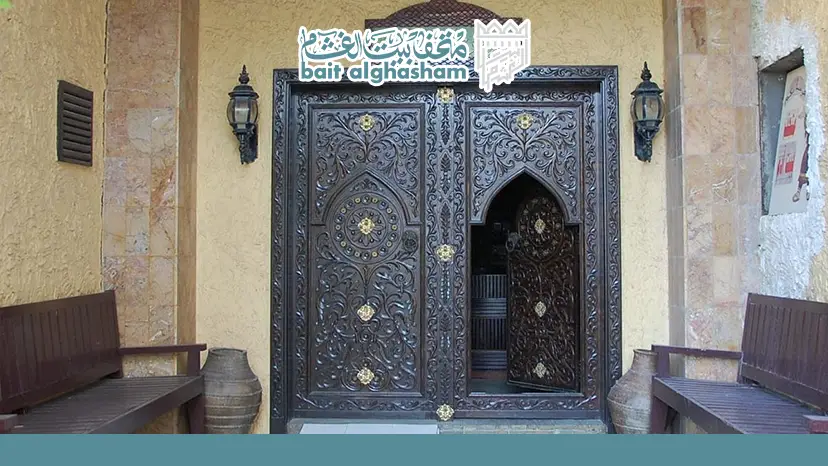
The Cultural and Historical Importance of Bait Adam Museum lies in its unique ability to humanize history, transforming the past from a series of dates into a living narrative. Rather than just showcasing static objects behind glass, this institution serves as a safeguard for the human stories, social changes, and diplomatic milestones behind every artifact.
- Preserving Niche Diplomatic History: The museum plays a critical role in educational preservation by offering an unfiltered, detailed look into the diplomatic history of the Sultanate during the 19th and 20th centuries. It acts as a specialized archive for rare treaties and letters that document Oman’s early global reach.
- A Resource for Global Researchers: It bridges the gap between official state records and grassroots history, providing local students, international historians, and global researchers with access to unique family heirlooms, rare coinage, and firsthand historical accounts.
- Safeguarding Daily Traditions: Beyond grand political events, the museum preserves the daily customs, attire, and domestic tools of the Omani people. This focus ensures that the evolution of Muscat’s social fabric is accurately documented and kept alive for future generations.
Visitor Experience at Bait Adam Museum
A typical bait adam museum visit goes far beyond a standard, passive museum walkthrough, offering instead an interactive journey into the heart of Omani culture. What truly sets this institution apart from conventional public galleries is the unparalleled, legendary Omani hospitality woven into the fabric of the entire tour.
- The Warm Majlis Welcome: Upon arrival, visitors are not met with cold ticketing lines, but are instead frequently welcomed into the traditional Majlis sitting area. Here, guests are treated to authentic, freshly brewed Omani coffee (Kahwa) infused with cardamom, paired with premium local dates, instantly establishing a sense of belonging.
- Personalized Curator Tours: The highlight of the experience is the personal guided tour conducted by the owner and curator himself. Having a passionate collector explain the origins, historical context, and acquisition journey of each piece adds immense depth and emotional resonance to the tour.
- Firsthand Storytelling: Every single item on display—from an antique silver Khanjar to a century-old photograph—comes with a fascinating, firsthand story. This narrative-driven approach allows tourists to ask questions freely, engage in meaningful cultural dialogue, and leave with a profound, personal understanding of the Sultanate of Oman.
If you are traveling with family and looking for interactive, hands-on science exhibits for kids, consider adding the Oman Children’s Museum to your travel plans.
Best Time to Visit Bait Adam Museum
To get the most out of your experience, identifying the Best Time to Visit Bait Adam Museum involves considering both the seasonal weather of Oman and the specific daily timing that optimizes your interaction with the exhibits.
- The Peak Winter Season (October to April): This period is universally considered the ideal time for sightseeing around Muscat. With temperatures ranging comfortably between 20°C and 30°C, the pleasant outdoor weather makes traveling to and from the museum highly enjoyable, allowing you to combine it with outdoor walking tours of the capital.
- Optimal Daily Timing (Morning Hours): Scheduling your museum visit during the morning is highly recommended. Arriving early allows for a relaxed, unhurried tour before the midday heat peaks, ensuring you have ample time to browse the galleries at your own pace.
- The Curator Interaction Window: Morning visits also provide a much higher chance of securing a private, in-depth conversation with the owner and curator. Since the museum relies heavily on personal storytelling, avoiding late afternoon rush hours ensures a quieter environment where you can absorb the rich historical context of the collections without distraction.
- Avoiding Public Holiday Constraints: When planning your itinerary, it is wise to avoid booking your visit during major public holidays or the holy month of Ramadan, as private institutions often alter their opening schedules during these times. Selecting a standard weekday (Sunday to Thursday) ensures a seamless, fully hosted experience.
Entry Fees and Visiting Information
To ensure a seamless trip, it is important to review the essential bait adam museum information before arrival. Because this is a privately managed museum, entry requirements and operating hours can sometimes be flexible:
- Admission Fees: A nominal entry fee is usually required to support the private preservation of the artifacts.
- Prior Booking: It is highly recommended to contact the museum or book through a local tour operator in advance to arrange your visit, ensuring the curator is available to host you.
To fully comprehend how these local stories fit into the grand scale of the Sultanate’s national history, a journey to the monumental Oman Across Ages Museum in Manah is highly recommended.
Bait Adam Museum and Cultural Tourism in Oman
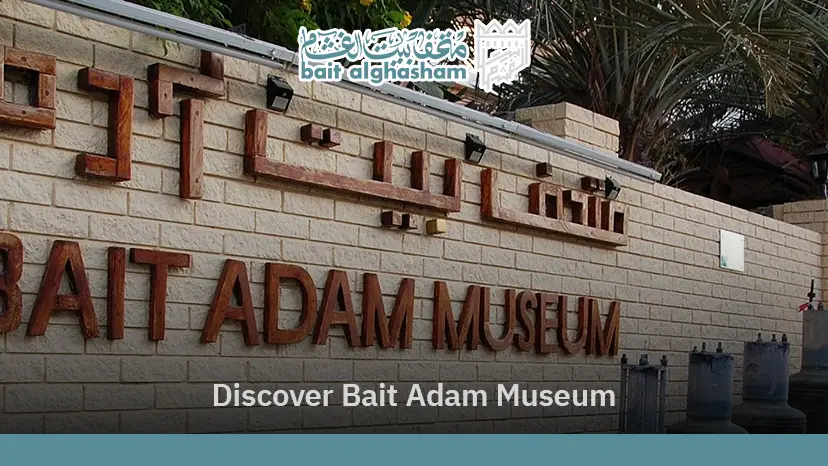
In the expanding landscape of global heritage travel, the Museum and Cultural Tourism in Oman share a powerful synergy, contributing significantly to the Sultanate’s reputation as an authentic travel destination.
- Meeting the Demand for Authenticity: As modern travelers shift their preferences toward niche, authentic, and highly localized experiences, private institutions like Bait Adam become invaluable assets that satisfy the curiosity of cultural explorers.
- A Grassroots Historical Perspective: The museum beautifully complements larger state institutions, such as the National Museum, by offering an intimate, grassroots perspective of the country’s journey through the eyes of a passionate local collector.
- Enriching the Cultural Itinerary: amuseum visit adds unique variety to a tourist’s itinerary in Muscat, balancing grand public monuments with a rare glimpse into a traditional Omani home environment.
- Promoting Sustainable Heritage Travel: By supporting this private museum, cultural tourism directly aids the independent preservation of rare regional artifacts, ensuring that unique family legacies and historical documents remain accessible to the public.
- Cementing Muscat’s Regional Position: The success of such specialized heritage sites cements Muscat’s reputation as a premier destination for genuine, hospitality-driven cultural tourism within the Arabian Peninsula.
The Bait Adam Museum is more than just a repository of rare artifacts; it is a living celebration of Omani history and legendary hospitality. By bridging the gap between grand national events and intimate personal stories, this private gem offers an irreplaceable depth to Muscat’s heritage scene. Whether you are a dedicated historian or a curious traveler, a visit here will undoubtedly enrich your understanding of the Sultanate.
Book your visit to Bait Adam Museum today
to experience authentic Omani hospitality and uncover the hidden treasures of Muscat’s royal and diplomatic past firsthand!
Plan Your Museum Tour in Muscat
Bait Al Baranda Museum is an ideal stop for travellers exploring
tourism in Muscat
.
Its location near Muttrah Souq, the Fish Market, and Muttrah Corniche makes it easy to combine history, culture, shopping, and waterfront views in one itinerary.
Visitors can find directions through
Bait Al Baranda Museum on Google Maps
.
Travellers interested in discovering more
Oman museums
can continue their cultural journey at the
Natural History Museum in Muscat
.
To experience traditional architecture and historic Omani family life beyond the capital, visitors can also
visit Bait Al Ghasham Museum
in Wadi Al Maawil and explore the available
visit packages in Oman
for a broader heritage tour.
Frequently Asked Questions About Bait Adam Museum
Where is Bait Adam Museum located?
The museum location is in Madinat Al Sultan Qaboos, a central and upscale residential district within the Muscat Governorate, Oman. Its strategic placement makes the bait adam museum muscat easily accessible for tourists staying in or exploring the capital.
What is Bait Adam Museum?
The Museum is a unique, privately owned heritage museum in Muscat. Established in a private villa by its founder and curator, Mr. Latif Al Balushi, it stands out among Oman museums for offering an intimate look into the Sultanate’s history, royal legacy, and diplomatic past through personal curation.
What can you see at Bait Adam Museum?
During a museum visit, you can see a remarkable collection of rare artifacts, including ancient Islamic coins, Maria Theresa Thalers, original historical photographs, rare manuscripts documenting Oman’s foreign diplomacy, traditional silver Khanjars (daggers), antique weaponry, and unique royal memorabilia.
Is Bait Adam Museum worth visiting?
Yes, absolutely. It is highly worth visiting for anyone seeking an authentic, deep dive into Omani culture and hospitality. What makes it exceptional is the personal touch: visitors are often welcomed into a traditional Majlis with Omani coffee (Kahwa) and dates, while enjoying personalized, story-driven tours conducted by the curator himself.
What are the opening hours of Bait Adam Museum?
To get the most accurate bait adam museum information, it is important to know that because it is a private institution, visits are typically arranged by appointment or prior booking. Morning hours are generally the best time to visit to ensure a relaxed, unhurried tour with the host.
Read More in Arabic: اماكن لعب للاطفال
Read more: bait zubair museum
Read more: anything else
Read More in Arabic: مسجد السلطان قابوس صلالة
Read More in Arabic: سوق شعبي في صلاله
Read More in Arabic: متى يبدأ فصل الصيف في سلطنة عمان