
Omani Heritage and Traditions represent the customs, social values, traditional crafts, and architectural legacy that have shaped Oman’s national identity. From Qahwa etiquette and Sabla gatherings to Eid Shuwa, Khanjar craftsmanship, and ancient Aflaj systems, these traditions continue to connect modern Oman with its cultural roots.
These destinations highlight the essence of Historical Places in Oman, blending architecture, history, and living culture into unforgettable experiences.
Read more: sohar place
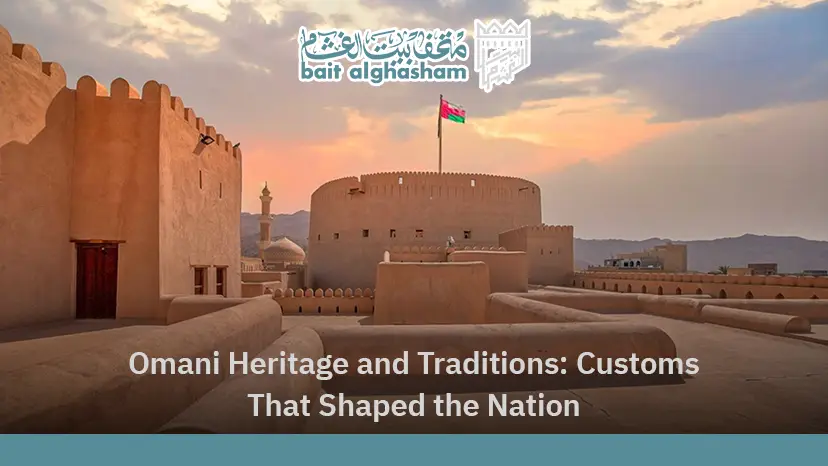
Why Visit Historical Places in Oman?
Water and Food Security
Castles like Al Mansur Fortress and Al Hazm reveal engineering foresight ahead of their time.
They feature internal water channels connected to aflaj and ground “Nadhd” systems.
These systems extracted date syrup, known as Dibs, helping to secure food supplies for extended periods during sieges.
Authentic Traditional Building Materials
Exploring these historic sites in Oman allows you to witness authentic mud architecture.
Many structures were built using Omani Sarooj, a traditional mortar made from local materials, alongside stone and Kandal wood ceilings.
These resilient materials have withstood heat and humidity for centuries without relying on modern cement.
Spontaneous Mural Documentation
Many palaces and forts feature unique wall archives carved directly into plaster surfaces.
These inscriptions preserve poems, legal documents, and records of political and social events.
Merging Luxury Arts with Defense
Omani architecture, as seen in Jabrin Castle, brilliantly combines military fortification with residential luxury.
This balance is visible in the exquisite Islamic and geometric decorations adorning ceilings, doors, arches, and interior rooms.
Forts as Economic Guardians
Omani forts were not isolated structures. Many were built within palm oases or beside important settlements to protect water sources, agricultural land, markets, and regional trade routes.
The Most Famous Historical Places in Oman
Oman possesses an exceptional historical legacy represented by hundreds of castles, forts, watchtowers, ancient settlements, and archaeological sites.
These structures were not simply military barracks. Many functioned as self-sufficient administrative, residential, agricultural, and economic centers.
UNESCO World Heritage Sites and Grand Architecture
Bahla Fort, Al Dakhiliyah
Bahla Fort is one of the oldest and largest forts in Oman and is recognized as a UNESCO World Heritage Site.
Dating primarily to the Nabhani period, the massive mud-brick complex is surrounded by an extensive defensive wall enclosing the historic oasis and settlement.
Jabrin Castle, Al Dakhiliyah
Jabrin Castle is a rare architectural masterpiece associated with Imam Bil’arab bin Sultan Al Ya’arubi.
It ingeniously combines defensive strength with the elegance of a residential and educational palace.
The castle is particularly renowned for its painted wooden ceilings, Quranic inscriptions, carved doors, and carefully designed interior rooms.
Unique Defensive and Engineering Forts
Al Hazm Castle, Rustaq
Al Hazm Castle represents an advanced example of Omani military architecture.
Its design is distinguished by strong stone arches, massive walls, secret passages, defensive corridors, and imposing wooden gates.
The castle also houses historic cannons that demonstrate the military technologies used during earlier periods.
Nizwa Fort, Al Dakhiliyah
Nizwa Fort is famous for its colossal circular tower and extensive defensive system.
Built during the 17th century, the fort includes fortified gates, wells, date-storage areas, weapon platforms, hidden traps, and openings historically used to prevent attackers from advancing.
Its elevated tower also provides panoramic views of Nizwa’s traditional market, palm plantations, and surrounding mountains.
Fortified Rural Palaces and Governance Centers
Rustaq Fort, South Al Batinah
Rustaq Fort is an imposing historical stronghold whose origins are associated with periods preceding the Islamic era.
It was expanded and renovated across different historical periods and served as an important seat of political authority and administration.
Al Mansur Fortress, Rustaq
Al Mansur Fortress is a distinctive example of a self-sufficient fortified rural residence.
Built during the late 18th century, it contains multiple floors, residential rooms, storage spaces, watchtowers, a water well, traditional inscriptions, and areas associated with food preservation.
Bait Al Ghasham Museum, Wadi Al Maawil
Bait Al Ghasham Museum is a historic fortified mud-brick residence dating back more than two centuries.
The building reflects luxurious Omani residential architecture combined with defensive features designed to protect the family, household resources, and surrounding property.
Read more: places to visit in sohar with family
Visitors can explore traditional Majlis spaces, family rooms, internal courtyards, fortified towers, water facilities, and inscriptions connected to Oman’s architectural and social heritage.
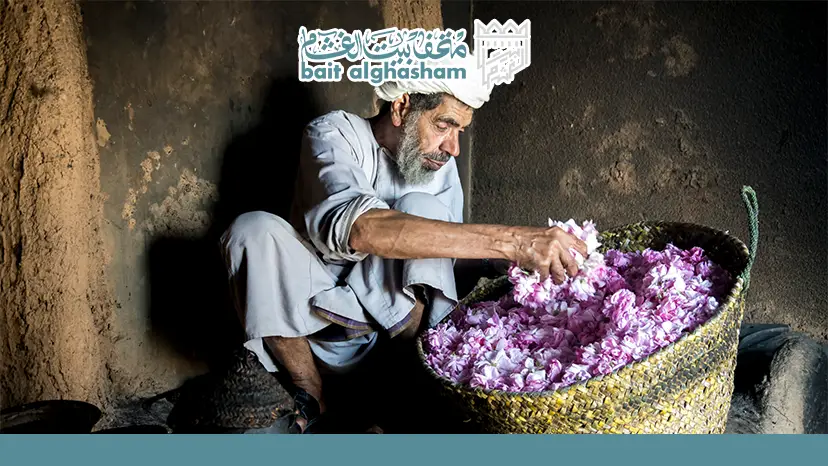
Preserving Omani Heritage and Traditions helps protect the country’s cultural identity and pass its inherited customs to future generations.
Forts and Castles Among the Historical Places in Oman
Coastal Castles and Maritime Trade Centers
Al Mirani and Al Jalali Forts, Muscat
Al Mirani Fort and Al Jalali Fort overlook the Sea of Oman and guard the historic harbor of Old Muscat.
The twin forts reflect an important period in Oman’s maritime and military history. Their locations allowed defenders to monitor approaching ships and protect the city’s port, palaces, and coastal trade routes.
Sohar Fort, North Al Batinah
Sohar Fort is a significant coastal defensive structure connected to the city’s commercial and maritime importance.
Known for its striking white exterior, the fort includes defensive towers, courtyards, residential areas, historical displays, and passages associated with the protection of the settlement.
Taqah Castle, Dhofar
Taqah Castle is a prominent 19th-century landmark representing traditional architecture in southern Oman.
Built using locally available stone and timber, it served as an administrative and residential center and contains traditional windows, interior rooms, storage areas, and defensive corridors.
Mountain Oasis Forts and Inland Defense
Samail Fort, Al Dakhiliyah
Samail Fort occupies a strategic elevated position overlooking the historic Samail Valley.
Its circular towers, fortified storage rooms, and commanding location helped protect settlements and trade routes connecting Oman’s coast with the interior.
Sunaysilah Fort, South Al Sharqiyah
Sunaysilah Fort is located on an elevated plateau in Sur.
Its square layout and four circular towers allowed guards to monitor nearby settlements, inland routes, and movements connected to Sur’s maritime economy.
Al Aswad Fort, Al Dhahirah
Al Aswad Fort is situated in Ibri and is associated with the Nabhani period.
Its rugged design and elevated towers provided extensive surveillance over the surrounding valley and routes passing through the region.
Culture lovers can also extend their journey to Barka Fort, an important coastal stronghold featuring defensive towers, administrative rooms, residential areas, and a historic justice hall.
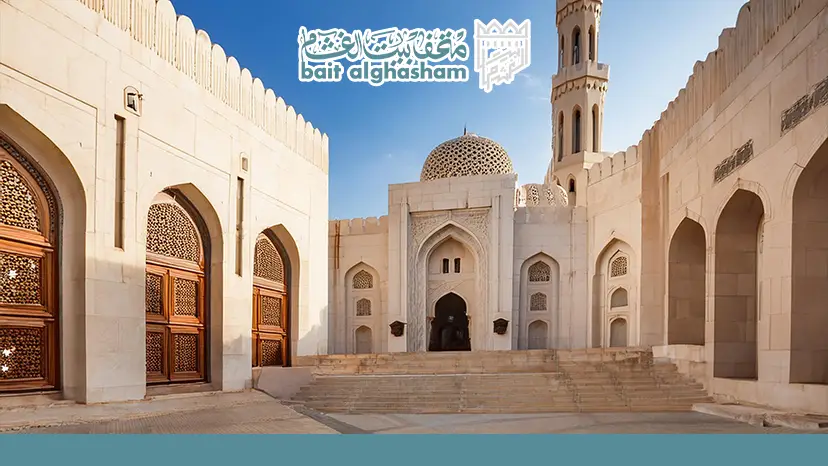
Museums Near Historical Places in Oman
Museums Integrated Within Forts and Castles
Sohar Fort Museum
Sohar Fort Museum is located within the rooms and corridors of the historic fort.
Its displays highlight Sohar’s maritime relations with China, India, and East Africa, alongside the city’s archaeological discoveries and copper-trading history.
Taqah Castle Museum
Taqah Castle Museum revives aspects of 19th-century Dhofari social life.
Traditional weapons, clothing, household tools, and silver objects are presented within rooms that once formed part of the Wali’s residence.
Mirbat Fort Museum
Mirbat Fort Museum overlooks the historic port and presents aspects of local military history, the frankincense trade, seafaring, and the export of Arabian horses.
Oasis Museums and Open Archaeological Sites
Al Baleed Visitor Center
The Museum of the Frankincense Land is located within the UNESCO-listed Al Baleed Archaeological Park.
Its historical and maritime galleries document Oman’s seafaring legacy, the development of ancient ports, and the international frankincense trade.
Shisr and Ubar Visitor Center
The visitor center is located beside the ruins of Shisr Fort and the archaeological site associated with the legendary city of Ubar.
Its exhibits introduce visitors to a major desert oasis that supported frankincense caravans travelling across southern Arabia.
Muscat Gate Museum
Muscat Gate Museum is positioned above one of the historic entrances to Old Muscat.
It narrates the history of the capital and focuses on its walls, gates, traditional architecture, defensive structures, water systems, and urban development.
Visitors looking for more cultural attractions can explore this guide to the top museums in Oman.
Tips for Exploring Historical Places in Oman
Tips for Visiting Northern and Coastal Sites
Explore Sohar’s Maritime Legacy
When you visit Oman, include Sohar Fort Museum in your cultural itinerary.
Allocate enough time to explore its exhibitions on copper production and historical maritime trade with China, India, and East Africa.
Discover the Capital’s Historic Gateway
A comprehensive Oman travel guide should include Muscat Gate Museum.
The museum can serve as an introduction to the capital’s architectural history before visiting Old Muscat, Al Alam Palace, Al Mirani Fort, and Al Jalali Fort.
Tips for Exploring Southern Dhofar Heritage
Experience 19th-Century Dhofari Life
When touring southern Oman, visit Taqah Castle Museum.
Examine the traditional weapons, vintage clothing, domestic objects, and silverware preserved inside the former residential rooms.
Trace the Frankincense Routes
Do not miss Al Baleed Archaeological Park and the Museum of the Frankincense Land.
Visitors can also explore Mirbat Fort and the Shisr archaeological site to gain a broader understanding of Dhofar’s ports, desert caravan routes, and ancient trade economy.
Plan an Archaeological Tourism Route
A professionally organized journey focused on archaeological tourism in Oman can combine forts, castles, museums, traditional houses, ancient irrigation systems, and UNESCO-listed sites.
Grouping destinations geographically will reduce driving time and provide a more complete cultural experience.
FAQs About Historical Places in Oman
What are the best historical places to visit in Oman?
The best Historical Places in Oman include Bahla Fort, Nizwa Fort, Jabrin Castle, Al Hazm Castle, Rustaq Fort, Al Mansur Fortress, Bait Al Ghasham Museum, and the coastal forts of Old Muscat.
Which forts in Oman are open to tourists?
Many historic forts and castles welcome tourists, including Nizwa Fort, Bahla Fort, Sohar Fort, Taqah Castle, Barka Fort, Al Mansur Fortress, and Bait Al Ghasham Museum.
Opening times and access conditions may change, so visitors should verify the latest information before travelling.
Are there museums near Oman’s historical landmarks?
Yes. Oman integrates several museums directly into historic buildings and archaeological landscapes.
Examples include Sohar Fort Museum, Taqah Castle Museum, Mirbat Fort Museum, the Museum of the Frankincense Land, Muscat Gate Museum, and Bait Al Ghasham Museum.
What is the best time of year to visit historical sites in Oman?
The cooler months are generally the most comfortable for exploring outdoor forts, archaeological parks, and traditional villages.
Early morning and late-afternoon visits also provide milder temperatures and better natural light for architectural photography.
Why is Oman famous for its historical attractions?
Oman is famous for its extensive network of forts, castles, watchtowers, settlements, aflaj systems, and ancient trade centers.
Many of these sites functioned as self-sufficient communities containing residential rooms, wells, food-storage areas, date presses, administrative halls, mosques, and defensive structures
Read More in Arabic: حديقة السعادة العامة
Read More in Arabic: ال حموده
Read More in Arabic: اماكن سياحيه ف صحار