
Natural History Museum visits are a must among Oman museums. Discover ancient fossils, unique wildlife, and geological marvels of the Arabian Peninsula.
Location of the Natural History Museum
Finding this educational landmark is quite straightforward for both residents and tourists. The Natural History Museum location is situated within the Ministry of Heritage and Tourism complex in Al Khuwair, a bustling and highly accessible commercial district within the capital city of Muscat, Oman.
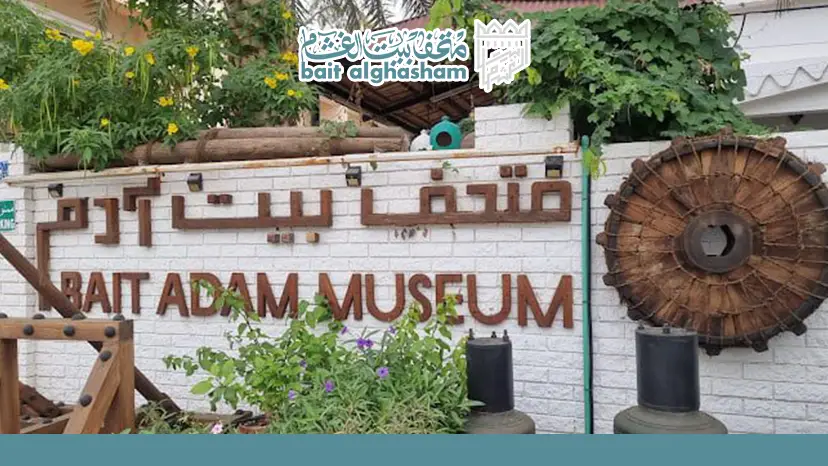
While mapping out a cultural tour of the capital, visitors often contrast this scientific hub with nearby historical landmarks. For instance, you can easily bridge your day by exploring maritime and defense tales at the Muscat Gate Museum or viewing private historical collections at the Bait Adam Museum. However, the Al Khuwair location remains completely distinct as the ultimate destination for biodiversity and environmental science in the Sultanate.
History and Establishment of the Natural History Museum

The roots of the Natural History Museum trace back to the late 20th century, representing a monumental step forward in the Sultanate’s scientific documentation. The history and development of this premier institution can be explored through these detailed milestones:
- Royal Vision for Scientific Preservation (Early 1980s): The museum was envisioned under the direct, progressive guidance of the late Sultan Qaboos bin Said. Recognizing that Oman’s rapid modernization could potentially overshadow its rich ecological heritage, he ordered the creation of a specialized national repository to document, catalog, and protect the country’s unique environmental assets before they could be impacted by urban expansion.
- Official Public Inauguration (December 30, 1985): After years of intensive field collecting, specimen preparation, and building design, the museum officially opened its doors to the public on December 30, 1985. Established under the auspices of what is known today as the Ministry of Heritage and Tourism, its opening marked a major cultural milestone, introducing the first dedicated scientific research museum to Muscat.
- The Historic Acquisition of the Sperm Whale (1986): Just a year after its opening, the museum’s history was permanently shaped by a massive zoological event. In 1986, a giant 14-meter Sperm Whale washed ashore on the coastline of Barka. The museum’s dedicated team successfully salvaged and preserved the colossal skeleton, a meticulous process that led to the creation of the iconic “Whale Hall,” which remains the proud center of the museum’s identity.
- Evolution into a Globally Respected Repository: What started as a modest collection of local rocks, shells, and taxidermy has evolved over the decades into an internationally respected scientific institution. The museum actively manages extensive national reference collections, acting as a crucial sanctuary for rare geological holotypes, ancient fossils, and delicate botanical specimens unique to the Arabian Peninsula.
- Collaborations with International Scientific Bodies: Throughout its history, the institution has consistently partnered with prestigious international research institutions, universities, and visiting global scientists. These collaborative efforts have led to the discovery and naming of several prehistoric species, the mapping of complex desert ecosystems, and the publishing of essential academic papers regarding Oman’s rich biodiversity.
Purpose of the Natural History Museum
The primary purpose of the Natural History Museum extends far beyond traditional tourism; it serves as a critical national pillar for environmental preservation and scientific discovery. Its core objectives are detailed through the following key points:
- Serving as a National Scientific Archive: The museum functions as a comprehensive, centralized repository for Oman’s geological and biological history. By preserving physical specimens of rocks, minerals, fossils, and wildlife, it protects a tangible record of the Arabian Peninsula’s natural evolution for future generations.
- Driving Environmental Awareness and Conservation: Through its engaging public displays, the museum acts as an educational platform to raise awareness about environmental sustainability. It highlights the fragile state of local ecosystems and advocates for the strict protection of endangered regional species, such as the Arabian Leopard and the Arabian Oryx.
- Acting as a Reference Hub for Global Researchers: The institution serves as a vital reference library and research center for botanists, zoologists, and geologists worldwide. It provides international scientists with access to rare localized data and specimens that are essential for studying the complex biodiversity of Southern Arabia.
- Studying Unique Ecological Transition Zones: A major objective of the museum is to document and analyze the distinct geographic areas where Oman’s dramatic deserts, rugged mountain ranges, and expansive coastlines converge. Understanding these transition zones helps scientists track environmental shifts and predict the impacts of climate change.
- Fostering National Pride in Ecological Heritage: By showcasing the unique flora and fauna that can only be found in Oman, the museum instills a sense of pride and environmental responsibility among citizens, encouraging local communities to take an active role in preserving their homeland’s natural beauty.
Main Exhibits at the Natural History Museum
The museum boasts a series of meticulously curated wings that capture the absolute best of Oman’s natural world. Some of the most famous and captivating exhibits include:
- The Whale Hall: A spectacular gallery featuring the massive, authentic skeleton of a Sperm Whale that washed ashore on the Omani coast in the 1980s.
- Fossil and Geological Displays: Showcases breathtaking fossilized tree trunks dating back millions of years, alongside ancient teeth belonging to primitive elephants that once roamed the peninsula.
- The Biodiversity Wings: Lifelike taxidermy displays of rare local wildlife, including the elusive Arabian Leopard, the Caracal, the Arabian Oryx, and various indigenous birds of prey.
While grand narrative spaces like the newly opened Oman Across Ages Museum in Manah capture the sweeping political and geological eras of the nation on a massive scale, this Muscat institution remains the most specialized and detailed look at pure regional biology.
Educational Role of the Natural History Museum
Education is at the absolute heart of the museum’s daily operations. It serves as a dynamic, interactive classroom that brings textbook lessons to life. Alongside nearby interactive spaces like the Oman Children’s Museum, which focuses on physical sciences and human innovation, the Natural History wing teaches school groups and young children about food webs, wildlife habitats, and the devastating impacts of climate change on local ecosystems.
Plan Your Museum Tour in Oman
After exploring the fossils, wildlife displays, and the famous Whale Hall, visitors can continue discovering
Oman museums
through a cultural itinerary that combines science, nature, architecture, and traditional heritage. The Natural History Museum is an excellent stop for anyone planning
tourism in Muscat
,
especially for families, students, and travellers interested in Oman’s biodiversity. You can find the museum easily through
the Natural History Museum location on Google Maps
.
To experience another side of Omani history, you can also
visit Bait Al Ghasham Museum
in Wadi Al Maawil. This restored historic house is one of the distinctive
archaeological landmarks in Oman
offering visitors an authentic look at traditional Omani architecture, family life, fortified rooms, and heritage details. Travellers can also explore the available
visit packages
to combine museum visits with other cultural and historical attractions.
Visitor Experience at the Natural History Museum
A standard Natural History Museum visit is thoughtfully curated to provide an educational, comfortable, and highly fascinating experience for travelers of all generations. The guest journey inside the facility is highlighted by several core features:
- Immersive Visual Impact upon Arrival:
The absolute highlight of the visitor journey is stepping into the famous Whale Hall. As shown in the visual above, guests are treated to a close-up view of a massive, authentic Sperm Whale skeleton suspended in a beautifully lit, deep-blue gallery space. This immediate dramatic display instantly captures the imagination of both adults and young children. - Bilingual Educational Signage:
Every display case and anatomical specimen throughout the wings is accompanied by clear, professionally written bilingual display cards in both Arabic and English. This ensures that the complex ecological, geological, and biological data remains highly accessible to local school groups and international tourists alike. - Intuitive, Self-Guided Layout:
The exhibition spaces are laid out in a logical, chronological sequence with highly visible, signposted walkways. This intuitive design allows for a seamless, self-guided tour where guests can easily move from the early fossil eras of the Sultanate into the modern mammalian and marine biodiversity wings without needing a formal guide. - Complete Modern Climate Comfort:
To counteract the intense afternoon heat of Muscat, all indoor galleries are fully air-conditioned and maintain optimized climate control. The calm lighting, spacious corridors, and quiet, intellectual atmosphere make the museum an ideal escape for families looking to enjoy a meaningful and deeply informative weekend afternoon of learning.
Opening Hours of the Natural History Museum
To ensure a seamless trip, it is helpful to note that the museum generally aligns its timing with standard institutional working hours. It is typically open to the public during the following hours:
- Sunday to Thursday: 8:00 AM – 1:30 PM (Morning shift).
Note: The museum is closed on Fridays, Saturdays, and official public holidays. It is always wise to double-check seasonal timings during the holy month of Ramadan.
Entry Fees and Visiting Information
One of the best aspects of organizing this trip is how incredibly accessible it is for the budget-conscious traveler. You do not need to book pricey Natural History Museum tickets weeks in advance. Admission fees are highly nominal, costing only a fraction of an Omani Rial for citizens and a very affordable rate for international tourists, with massive discounts or free entry often extended to organized school groups.
Natural History Museum and Educational Tourism
Today, the institution stands as a foundational pillar of sustainable educational tourism within the capital city of Muscat. By seamlessly blending academic research with public outreach, it drives forward Oman’s national tourism goals through these key impacts:
- A Primary Destination for Academic Excursions: The museum serves as an essential, hands-on extension of the classroom for local schools, colleges, and international universities. By hosting thousands of students annually, it bridges the gap between theoretical biological textbooks and real-world ecological specimens, making environmental science accessible and exciting for young minds.
- Attracting Global Eco-Tourists and Wildlife Enthusiasts: As global travel trends shift toward meaningful, conscious journeys, the museum caters directly to the growing niche of international eco-tourists. It offers these travelers a comprehensive, low-impact introduction to the region’s diverse ecosystems—from the sub-tropical green mountains of Dhofar to the arid gravel plains of the interior—all under one roof.
- A Collaborative Hub for International Researchers: Beyond casual sightseeing, the museum is a vital destination for global scientists, field geologists, and conservationists. By providing a base for academic study and field-trip preparation, it firmly places Muscat on the global map for regional scientific tourism and collaborative conservation research.
- Promoting Oman’s Green Development Goals: The museum stands as a physical testament to the Sultanate’s long-term commitment to eco-friendly development and biodiversity preservation. By showcasing the country’s delicate natural balance, it educates visitors on national conservation initiatives, aligning tourism with the environmental protection pillars of Oman Vision 2040.
- Fostering a Lifelong Preservation Ethic: Ultimately, a Natural History Museum visit leaves travelers with far more than just photos; it instills a profound, lasting appreciation for the fragile beauty of the Arabian desert, rugged mountain ranges, and marine lifelines. This transformative experience turns everyday tourists into passionate advocates for environmental preservation long after they leave the Sultanate.
Frequently Asked Questions About the Natural History Museum
Where is the Natural History Museum located?
The Natural History Museum location is within the Ministry of Heritage and Tourism complex in the Al Khuwair district of Muscat, the capital city of the Sultanate of Oman. It is situated right across the highway from the Al Khuwair ice-skating rink and directly opposite the Zawawi Mosque, making it an easy landmark to find.
What is the Natural History Museum?
Opened in December 1985 under the visionary directives of the late Sultan Qaboos bin Said, it is Oman’s premier scientific institution dedicated to showcasing the country’s unique ecological and geological evolution. The museum serves as a national reference repository and archive, preserving physical evidence of the rich biodiversity across the Arabian Peninsula.
What can you see in the Natural History Museum?
A Natural History Museum visit allows you to explore four major thematic exhibition wings:
- The Whale Hall: This iconic gallery features the genuine, massive 14-meter skeleton of a Sperm Whale that washed ashore on Oman’s coastline in 1986.
- Oman Through Geological Ages: Displays stunning collections of ancient fossils, prehistoric tree trunks, and primitive mammal teeth dating back millions of years.
- The Diverse Wildlife of Oman: Showcases rare, authentic taxidermy specimens of endangered native animals like the Arabian Leopard, Arabian Oryx, and indigenous desert reptiles.
- Marine Life and Flora: Exhibits detailing the rich biodiversity of Omani waters, coral reef structures, and native plant species.
Is the Natural History Museum worth visiting?
Yes, it is highly worth visiting, particularly for families, young children, students, and eco-tourists. While it is a relatively small, compact museum compared to newer mega-structures, the sheer educational value of its rare scientific specimens—combined with an incredibly affordable entry fee—makes it a highly rewarding, budget-friendly stop on any Muscat cultural tour.
What are the opening hours of the Natural History Museum?
The museum is generally open to the public during the following hours:
- Sunday to Thursday: 8:00 AM – 1:30 PM.
- Saturday: 9:00 AM – 1:00 PM.
- Friday: Closed.
To wrap up, a Natural History Museum visit is more than just a walk through exhibition halls; it is a profound journey into the very heart of Oman’s wild spirit and ancient past. Whether you are marvelling at the massive Sperm Whale skeleton or tracing the footprints of prehistoric creatures, this Muscat treasure offers an unforgettable educational escape that will leave you with a deeper respect for the fragile wonders of our natural world.
Read more: best places to visit
Read More in Arabic: مسجد قابوس صلالة
Read More in Arabic: سوق صلاله
Read More in Arabic: محل العاب اطفال قريب مني