
Bait Al Zubair Museum stands as a profound testament to Oman’s heritage among prestigious Oman museums. Discover an architectural gem bridging past and present since 1998.
Location of Bait Al Zubair Museum in Muscat
The Bait Al Zubair Muscat is strategically located in the heart of Old Muscat, specifically on Al Saidiya Street. Its location is of immense historical significance, situated within walking distance of the Al Alam Palace and the National Museum. This central position makes it an essential stop for anyone exploring the capital’s “Heritage Quarter,” offering a seamless transition between the official royal history and the intimate social history of Oman.
Architectural Style of Bait Al Zubair Museum
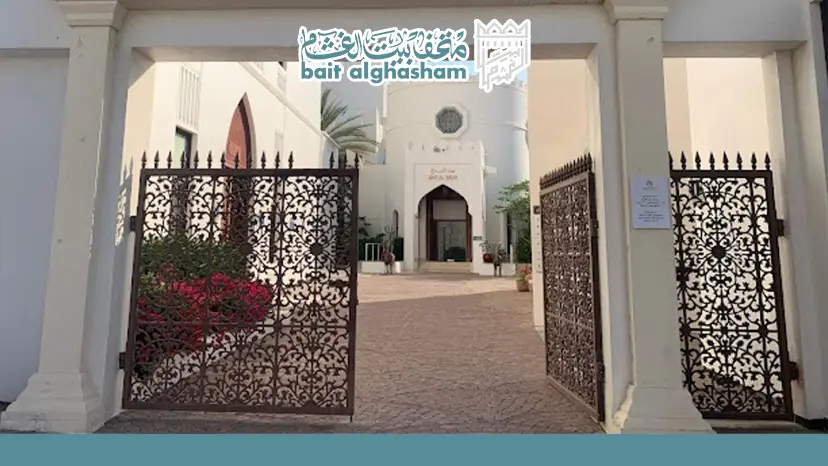
The museum is housed within a stunning complex of buildings that serve as a living textbook of the Architectural Style of Bait Al Zubair Museum. The centerpiece, Bait Al Bagh (The House of Gardens), was originally constructed in 1914 by Sheikh Al Zubair bin Ali. Its design reflects the transition of Omani residential architecture at the turn of the century, balancing fortified strength with domestic elegance.
- Traditional Aesthetics and Materiality: The structures are a masterclass in indigenous Omani engineering. They feature thick limestone and mudbrick walls coated with traditional “Sarooj” (Omani lime plaster), which provides exceptional thermal insulation against the Muscat heat. The ceilings are adorned with Jandal (mangrove) wood beams and palm fronds, while the iconic intricately carved wooden doors serve as masterpieces of Omani craftsmanship, often featuring floral motifs and brass studs that signify the prestige of the household.
- Passive Cooling and Functional Design: Long before modern air conditioning, the museum utilized traditional Omani windows (Musharrabiya-style) and high ceilings to facilitate natural ventilation. The strategic placement of courtyards creates “wind chimneys” that draw cool air through the halls, a hallmark of coastal Muscat architecture that prioritizes comfort and privacy.
- Modern Integration and Global Recognition: What truly sets the museum apart is its seamless fusion of heritage and modernity. In 1999, the complex was a nominee for the Aga Khan Award for Architecture (Oman Chapter), a prestigious international recognition of its successful restoration. The renovation transformed a private estate into a world-class facility, integrating modern climate control and professional lighting systems without compromising the soulful, historical Omani residential design.
While Bait Al Zubair focuses on the intricate details of social life and traditional attire, the Oman Across Ages Museum in Manah takes visitors on a stunning visual and technological journey. It narrates Oman’s story from its geological dawn to the renewed Renaissance, making these two museums complementary destinations for understanding both the roots and the ambitions of the Sultanate.
Contents and Exhibits of Bait Al Zubair Museum
The Bait Al Zubair Museum Oman is home to one of the most significant private collections in the Middle East. Information about Bait Al Zubair Museum highlights these key categories:
- The Al Busaidi Dynasty Collections: This section offers an intimate look at Omani royalty. It features rare, original portraits of the Sultans of the Al Busaidi dynasty, alongside personal belongings, historical documents, and medals. These items provide a unique perspective on the leadership that guided Oman through its modern Renaissance.
- A World-Class Gallery of Traditional Weaponry: Perhaps the museum’s most famous attraction is its collection of Omani Khanjars. These iconic daggers are masterpieces of silver and gold filigree, with hilts carved from rare materials and sheaths featuring intricate “wire-work” embroidery. Alongside the Khanjars, visitors can explore an armory of 18th and 19th-century long-barrel rifles (known locally as Saktoun), curved swords, and shields made of rhinoceros hide, reflecting Oman’s historic martial prowess.
- Omani Costumes and Textile Heritage: The museum preserves the “living art” of Omani attire. It showcases a stunning variety of regional dresses, from the brightly colored silks of the Dhofar region to the elegant, hand-embroidered Abayas and Dishdashas of the north. This exhibit is complemented by a glittering display of silver jewelry, including heavy anklets (Hajul), necklaces (Hirz), and headpieces that signify regional identity and craftsmanship.
- Numismatics, Stamps, and Rare Manuscripts: For the scholarly visitor, the museum holds an extensive archive of Omani coins and stamps. This collection traces the economic history of the region, featuring coins used during the era of the Zanzibar Sultanate and the Maria Theresa Thaler, which was once the primary currency of the desert. Additionally, rare manuscripts and ancient maps of the Arabian Peninsula provide a geographic context to Oman’s seafaring history.
- Household Artifacts and Daily Life: To understand the Omani soul, the exhibit includes authentic household items used in daily life. From copper coffee pots (Dallah) and incense burners (Majmar) to heavy wooden chests (Mandoos) used for bridal dowries, these artifacts showcase the artistic touch Omanis applied to even the most functional objects.
Main Sections within Bait Al Zubair Museum
The museum is not a single hall but a sprawling cultural complex comprised of five distinct buildings and an outdoor living gallery. Each section offers a specialized theme, meticulously curated to guide visitors through different facets of Omani life:
- Bait Al Bagh (The House of Gardens):
As the primary gallery, this is where the journey begins. It houses the most significant collections of traditional Omani weaponry, exquisite silver jewelry, and regional costumes. The grandeur of the interior reflects the status of the Al Zubair family, providing a prestigious setting for the Sultanate’s most prized artifacts.
- Bait Al Dalaleel (The House of Guidance):
This section is a favorite for those seeking an authentic atmosphere. It is a meticulously restored traditional house that recreates the domestic life of a 20th-century Omani residence. From the scent of frankincense to the arrangement of the sleeping quarters and the “Sarrah” (inner room), it offers a nostalgic and intimate glimpse into the past.
- Bait Al Oud (The Grand House):
A majestic three-story building that focuses on the intellectual and social history of the region. It contains an impressive collection of ancient furniture, historical prints, and old maps of the Arabian Peninsula that document Oman’s strategic importance on the global trade routes.
- Bait Al Nahdhah (The House of Renaissance):
Bridging the gap between heritage and modern creativity, this section is dedicated to contemporary Omani art. It serves as a vibrant space for art exhibitions, cultural seminars, and workshops, showcasing the talent of modern Omani artists who draw inspiration from their rich ancestry.
- The Courtyard & Outdoor Exhibit:
Stepping outside, visitors encounter a “Living Museum.” This area features a miniature Omani village that accurately depicts rural life. You can observe a functioning Falaj (Oman’s UNESCO-listed ancient irrigation system), a traditional Barasti (palm frond house), and a “Souq” area that demonstrates how local communities once traded and socialized.
Explore Muscat Gate Museum, the historic gates, and the military evolution of the capital.
Bait Al Zubair Museum and Cultural Tourism in Oman
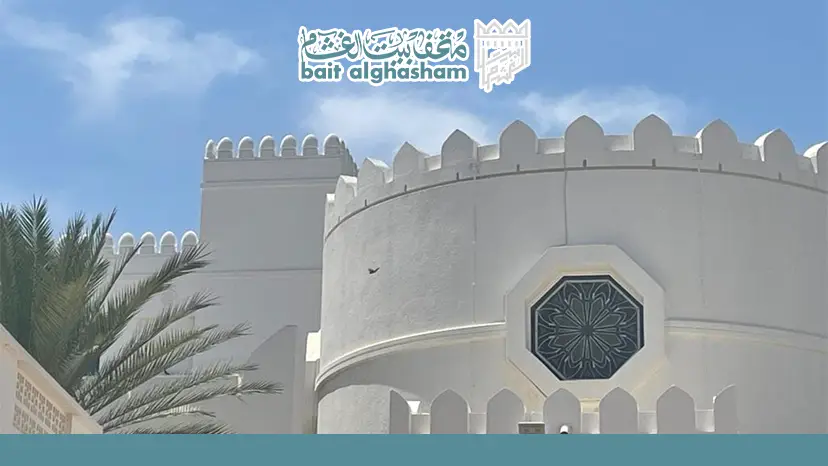
As a cornerstone of Cultural Tourism in Oman, the museum acts as a custodian of the nation’s “Intangible Heritage.” It is frequently used for diplomatic receptions and international art collaborations. Unlike the scientific focus of the Children’s Museum Muscat, Bait Al Zubair provides a human-centric narrative that connects visitors emotionally to the Omani household and its traditions.
Visitor Experience within Bait Al Zubair Museum
The visitor experience within Bait Al Zubair Museum is designed to be a highly interactive and sensory journey. Unlike many traditional museums where history is kept behind glass, Bait Al Zubair invites guests to “live” the Omani culture through a series of immersive environments:
- The Garden Walk & Botanical Discovery: Upon entering the grounds, visitors can stroll through a meticulously landscaped botanical garden. This outdoor gallery features a variety of indigenous Omani plants and trees, including the desert rose and frankincense trees. The garden serves as a peaceful sanctuary, showcasing how the Omani people utilized their natural flora for medicine, shade, and aesthetics.
- The Souvenir Shop (A Treasure Trove of Authenticity): Widely recognized as one of the finest in Muscat, the museum’s gift shop is a destination in its own right. It offers a curated selection of authentic Omani handicrafts, high-quality silver jewelry, and rare perfumes. For scholars and avid readers, the shop stocks specialized books on Omani history, architecture, and photography, making it the perfect place to find a meaningful memento of your trip.
- The Cultural Café Experience: No visit is complete without experiencing the legendary Omani hospitality. The on-site café provides a tranquil, shaded spot to relax. Here, guests can savor traditional Omani coffee (Kahwa) served with premium local dates. The café’s atmosphere, surrounded by traditional architecture, provides a perfect, reflective end to a cultural tour, allowing visitors to soak in the history they have just witnessed.
- Interactive Cultural Displays: Throughout the museum, the use of ambient sounds—such as the trickling water of the Falaj system or traditional folk music—creates an auditory backdrop that transports visitors back in time. The museum also frequently hosts live demonstrations of traditional crafts, allowing for a direct connection with Omani artisans.
Explore Omani coins and diplomatic history at the rare private collection of Bait Adam Museum.
Visiting Hours of Bait Al Zubair Museum
To ensure a smooth visit, please note the standard Visiting Hours of Bait Al Zubair Museum:
- Saturday to Thursday: 9:00 AM to 6:00 PM.
- Friday: Closed.
- Recommended duration for a full tour: 2 to 3 hours.
Entrance Fees to Bait Al Zubair Museum
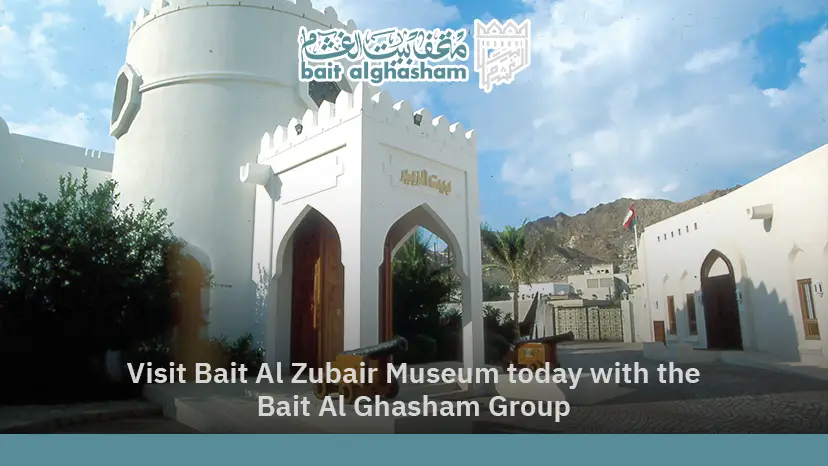
The Entrance Fees to Bait Al Zubair Museum are strategically structured to support the ongoing preservation, restoration, and continuous maintenance of this world-class private collection. By visiting, guests contribute directly to the safeguarding of Omani heritage for future generations.
As of the current 2026 season, the standard pricing is as follows:
- Adults (International Visitors): 3.000 OMR.
- Adults (Omani & GCC Nationals): 2.000 OMR.
- Children (Under 10 Years): Free of charge (making it an excellent value for families).
- Students: Discounted rates are available upon presentation of a valid International Student Identity Card (ISIC) or local institutional ID.
- Private & School Groups: Specialized group rates and guided tour packages can be arranged in advance through the museum’s administration or via authorized partners like the [Bait Al Ghasham Tourism Group].
Pro-Tip for Travelers: It is advisable to carry a small amount of local currency (Omani Rials), although most major credit and debit cards are widely accepted at the ticketing counter and the souvenir shop.
Journey through Muscat’s maritime legacy and prehistoric geological eras at Bait Al Baranda Museum.
Frequently Asked Questions about Bait Al Zubair Museum
Where is Bait Al Zubair Museum located?
The museum is located in Old Muscat, Oman, specifically on Al Saidiya Street. It is situated in the historic heart of the capital, near iconic landmarks such as the Al Alam Palace and the National Museum of Oman.
What is Bait Al Zubair Museum?
Bait Al Zubair Museum is a premier private cultural institution that opened to the public in 1998. It was originally the family home of the Al Zubair family, built in 1914. Today, it serves as a museum and cultural center dedicated to preserving and showcasing the rich social, architectural, and artistic heritage of the Sultanate of Oman.
What does Bait Al Zubair Museum display?
The museum displays an extensive and world-class private collection, including:
- Traditional Weaponry: A famous collection of Omani Khanjars (daggers) and ancient swords.
- Jewelry & Costumes: Authentic silver jewelry and regional Omani attire.
- Historical Artifacts: Old maps, coins, stamps, and ancient furniture.
- Contemporary Art: Modern paintings and sculptures by Omani artists in the Bait Al Nahdhah wing.
- Outdoor Exhibits: A miniature Omani village with a traditional Falaj irrigation system.
Is Bait Al Zubair Museum suitable for tourists?
Yes, it is highly recommended for tourists. It offers an intimate and immersive “living history” experience that is easier to navigate than larger national museums. It is perfect for families, history buffs, and those interested in photography, as it provides a comprehensive overview of Omani life in a beautifully restored architectural setting.
Plan Your Cultural Tour Around Bait Al Zubair Museum
A visit to Bait Al Zubair Museum is an excellent addition to any itinerary focused on
tourism in Muscat
.
Located in the heart of Old Muscat, the museum offers visitors an immersive introduction to Omani clothing, jewellery, traditional weapons, historic maps, household objects, and architectural heritage.
You can reach the museum easily through
Bait Al Zubair Museum on Google Maps
.
Travellers interested in exploring more
Oman museums
can combine Bait Al Zubair Museum with nearby cultural attractions such as Al Alam Palace, the National Museum, and Muscat Gate Museum.
To continue discovering traditional architecture and historic Omani family life beyond the capital, visitors can
visit Bait Al Ghasham Museum
in Wadi Al Maawil.
They can also explore the most important
archaeological landmarks in Oman
or browse the available
visit packages in Oman
to organise a broader cultural and heritage journey.
Read more: agamaal tours
Read more: fort al mirani muscat
Read more: gardens mall shops
Read More in Arabic: موقع ولاية طاقة
Read more: tourist places in salalah
Read More in Arabic: مناطق سياحية في عمان
Read More in Arabic: أماكن سياحية في صحار