
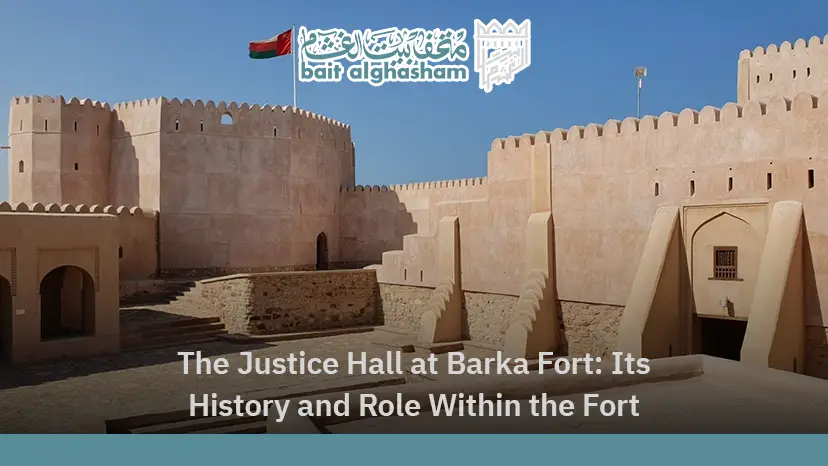
The Justice Hall at Barka Fort represents a unique model of administrative and judicial history in Oman. Designed within the western wing to serve as the political nerve center, it adjudicated commercial disputes and regulated maritime affairs.
This guide provides a comprehensive overview of the hall’s historical significance and the activities available for visitors eager to explore the defensive architecture of The Justice Hall at Barka.
The Early History of The Justice Hall at Barka
The Justice Hall at Barka stands as a prominent historical witness to the evolution of the administrative system in Oman, serving as the political core for managing the Wilayat and its coastal surroundings.
Historical Roots and Foundation
- Executive Governance Connection: The hall’s early history traces back to periods when the fort transitioned from a military coastal defense into a fully integrated governance center.
- The Imam and Wali Council: The hall served as the official council for the appointed Wali, the Sharia judge, and local dignitaries to review public cases, a key aspect of Barka Fort History.
Early Administrative and Judicial Role
- Resolving Local Disputes: The hall historically hosted daily sessions to resolve land disputes and commercial disagreements tied to the adjacent old Barka market.
- Managing Maritime Trade: The hall was utilized to issue maritime customs decisions, regulate ship movements, and resolve conflicts, significantly shaping Omani Judicial History.
Architectural Features Enhancing Prestige
- Majestic Design: The hall was strategically elevated in the western wing for security, featuring dual-view windows to monitor both the inner courtyard and the coastline.
- Simplicity and Dignity: Devoid of complex decorations, the hall relied on traditional mud architecture and high wooden ceilings to convey the solemnity required for the judiciary.
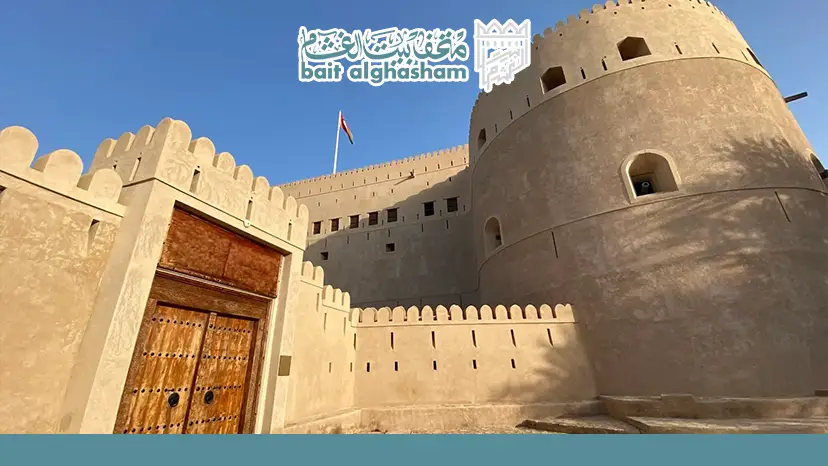
The Architectural The Justice Hall at Barka
The hall features a unique architectural design reflecting the brilliance of traditional Omani defensive engineering, blending political prestige with adaptability to the humid coastal environment.
Location Brilliance and Defensive Fortification
- Elevation and Security: The hall was elevated in the fortified western wing to protect judges and provide necessary isolation for conducting trials with complete privacy.
- Connection to Dungeons: The hall connects via secret passages directly to the underground holding cells, ensuring the secure transfer of convicts, a remarkable feature of Fort Architecture.
Sustainable Building Materials and Ventilation
- Coastal Ventilation: Opposing windows were precisely designed to channel breezes from the Sea of Oman, providing natural cooling against the high coastal humidity.
- Insulating Sarooj Walls: The thick walls were constructed using sea stones and traditional Omani Sarooj, granting the building high capacity for thermal insulation.
Visual Insight and Administrative Supervision
- Controlling Views: The windows offer a dual panoramic view; one overlooks the internal courtyard, while the other monitors the coastline and maritime trade movements.
- Majestic Simplicity: The hall relies on simple geometric arches and recessed wall shelves specifically designed for storing judicial records and legal manuscripts.
The Historical Role of Al The Justice Hall at Barka
The Justice Hall represents the administrative pillar that managed the South Al Batinah coast for decades, playing a pivotal role in formulating political and economic stability.
The Administrative and Political Center
- The Lawful Wali’s Council: The hall was the official headquarters for the Wali to manage daily affairs, receive delegations, and announce political decrees from a Historic Courtroom.
- Projecting State Influence: The hall symbolized the central state’s sovereignty along the coastline, acting as a direct link to ensure regional security and stability.
Economic Regulation and Applied Justice
- Market Supervision: The hall actively adjudicated cases of commercial fraud, weight disputes, and financial disagreements among local and arriving maritime merchants.
- Resource Conflict Resolution: Daily sessions were held to resolve complex cases regarding the fair distribution of Aflaj water and disputes over agricultural lands.
Protecting Social Peace and Enforcement
- Immediate Security Reference: The hall’s decisions were directly linked to the fort’s defensive system and were executed immediately by fort guards to maintain order.
- Tribal Reconciliation Council: The hall was actively used as a council to hold amicable settlements between tribes under the Wali’s supervision to defuse conflicts.
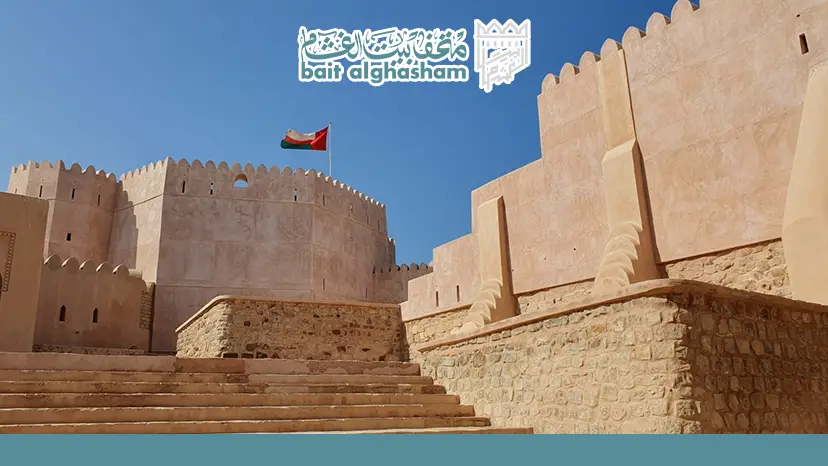
Why the History of The Justice Hall at Barka
The historical importance of the hall lies in being a living embodiment of governance and law enforcement, opening a window into the political and social evolution of Omani society.
Documenting Administrative Transition
- Strategic Shift: The hall reveals how the fort transformed from a strictly defensive military barracks into a comprehensive civil center for managing citizens’ daily affairs.
- Authority Integration: The history reflects the old hierarchical relationship where the executive Wali sat alongside the Sharia judge, highlighting the prestige of the Justice Hall Barka Fort.
Mirroring Economic Stability and Reconciliation
- Protecting Navigation and Trade: The hall’s importance is highlighted in securing the Barka market and maritime traffic, making the Wilayat a vibrant commercial hub.
- Symbol of National Peace: History shows how the hall was utilized to defuse civil conflicts and enhance national cohesion through dedicated reconciliation councils.
Visiting The Justice Hall at Barka
Visiting the Justice Hall is a historical journey exploring traditional Omani administration. To ensure maximum benefit, follow these direct and practical guidelines:
1. Exploring Architectural Landmarks
- Defensive Engineering: Examine the thick walls built from Sarooj and the traditional ceilings made from resilient Chandal wood and palm frond mats, distinct features of these Historic Buildings.
- Visual Surveillance Points: Stand at the opposing windows to experience the dual view over the internal courtyard and the bustling Barka coastline.
2. Planning and Operating Hours
- Visiting Times: The fort welcomes visitors daily; morning visits pair well with the fish market, while afternoons offer beautiful sunset views from the upper towers.
- Tickets and Information: Entry requires a nominal fee. It is highly recommended to verify official operating hours via the Ministry of Heritage before arriving, ensuring a smooth visit to one of the top Cultural Attractions Oman offers.
3. Practical Visitor Tips
- Comfortable Footwear: Climbing the traditional stone stairs leading to the fortified western wing requires wearing sturdy, slip-resistant walking shoes.
- Utilizing Signboards: Rely on the installed explanatory signs to understand the historical roles of the hall and the underground cells connected to it.
FAQs About the The Justice Hall at Barka
What is the Justice Hall at Barka Fort?
It is an administrative and judicial hall located in the upper floors of the western wing. It served as the official council for the Wali and judge to resolve local disputes and manage maritime trade, making it a key site among Oman Heritage Sites.
Why was the Justice Hall important in Omani history?
Its importance stems from embodying the fort’s transition from a military role to a civil governance center. It secured maritime traffic, protected commerce, and enhanced social peace through immediate justice.
Can visitors enter the Justice Hall?
Yes, visitors can enter the hall and explore the traditional mud architecture and dual windows overlooking the sea. Informative signboards detail the hall’s history and the secret passages connected to it.
What historical events took place in the Justice Hall?
The hall witnessed significant daily events such as issuing maritime customs decisions, resolving Aflaj water distribution disputes, and concluding tribal reconciliations to ensure regional political stability.
Where is the Justice Hall located within Barka Fort?
The hall is strategically located on the upper floors of the fortified western wing. This elevated location was chosen to provide absolute security for judges and a panoramic surveillance view.
Read More in Arabic: أماكن سياحية في مسقط للعوائل في الشتاء
Read more: top things to do in sohar
Read More in Arabic: اماكن جميله في نزوى
Read More in Arabic: ولاية طاقة صلالة