
Places to visit in Muscat — this guide gathers everything you need before planning your visit: top places, best seasons, and short practical tips.
Oman’s capital stretches between the Al Hajar Mountains and the Gulf of Oman, so its landmarks are spread across distinct districts rather than concentrated in one centre. Whitewashed neighbourhoods, old forts, mangroves and rocky coves give Muscat a character very different from a skyline-led Gulf metropolis.
This guide brings together 18 of the best places to visit in Muscat, organised by area and experience: Old Muscat, Mutrah and Ruwi, Qurum, Greater Muscat and the coast. Opening hours, access, performances and boat departures can change, especially during Ramadan, public holidays and seasonal weather. Check official information, dress modestly in public places and allow extra road time across this long city.
Old Muscat: Palaces, National History and Traditional Houses
Old Muscat occupies a compact bay enclosed by dark mountains. Its formal avenues and surviving gates make it the best area for understanding the capital’s political and maritime history. Several stops are close enough to combine, although summer heat can make even short walks tiring.Because good planning starts with knowing your options, everything you need is in a dedicated guide — Places to Visit in Sohar.
1. Al Alam Palace, Al Jalali Fort and Al Mirani Fort
Al Alam Palace is the Sultan’s ceremonial palace and one of Muscat’s most recognisable photo stops. Its blue-and-gold columns stand at the end of a broad ceremonial avenue, while Al Jalali and Al Mirani forts guard the harbour from opposing cliffs. The Portuguese expanded the forts in the sixteenth century, reflecting Muscat’s strategic position on Indian Ocean trade routes.Because good planning starts with knowing your options, everything you need is in a dedicated guide — Oman forts and landmarks.
The palace is not open as a conventional attraction and fort access may be restricted, but the public approaches provide excellent exterior views. Respect barriers and photography rules.
2. The National Museum of Oman
Facing the palace, the National Museum provides the broadest introduction to Omani history in the city. Its galleries connect prehistoric settlement, maritime trade, arms and armour, currency, Islamic civilisation, traditional dress and the modern state. Interactive displays and carefully presented objects make it useful at the beginning of a trip, when names and historical periods are still unfamiliar.
Families can focus on ships, jewellery and interactive interpretation, while history enthusiasts may prefer a slower gallery-by-gallery visit.
3. Bait Al Zubair Museum
Bait Al Zubair is a privately founded museum housed in traditional buildings near the Old Muscat cultural quarter. Its collections bring everyday heritage into focus through khanjars, jewellery, weapons, household objects, maps, stamps and regional costumes. The displays help visitors recognise that Omani dress and craftsmanship vary by place and community rather than forming a single uniform style.
It is an intimate counterpoint to the National Museum, especially for visitors interested in silverwork and textiles.
4. Muscat Gate Museum and the Omani-French Museum
These two smaller sites reveal different layers of the old city. Muscat Gate Museum stands above the road where the historic land entrance once controlled movement into the walled settlement. Its interpretation covers old wells, defensive walls and the falaj irrigation system, while the elevated setting helps explain the narrow geography between harbour and mountains.
The nearby Omani-French Museum occupies Bait Faransa, a former French consulate. Its maps, ship models and photographs trace Oman–France links. Confirm both museums’ schedules before visiting.
Mutrah and Ruwi: Souqs, Harbour Views and Forts
Mutrah grew around one of the region’s great natural harbours. It remains the most atmospheric area for an evening walk, while neighbouring Ruwi adds a specialist military museum. This cluster mixes shopping, viewpoints and social history.
5. Mutrah Corniche and Mutrah Souq
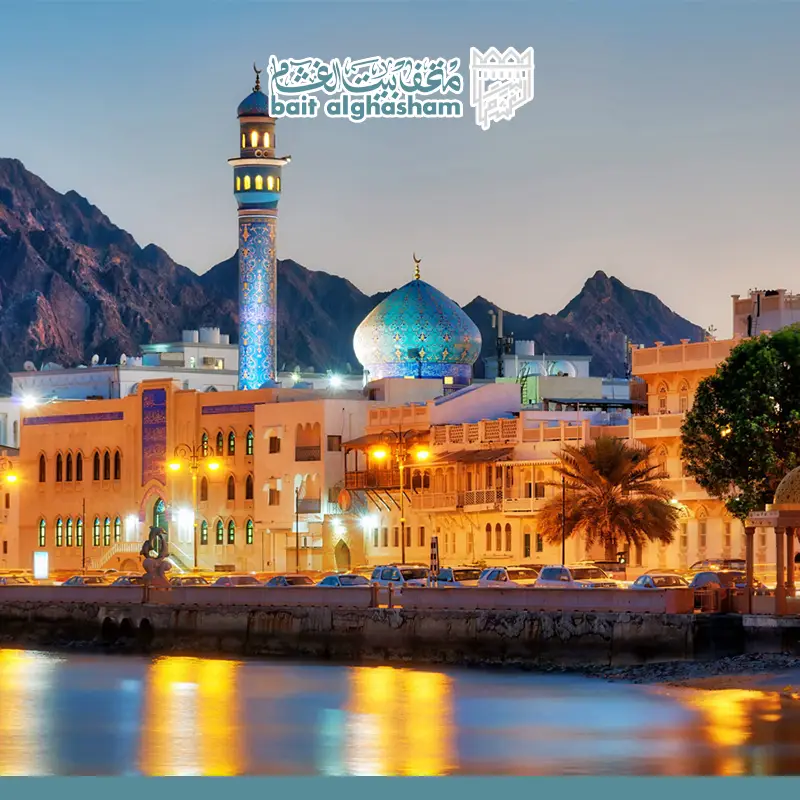
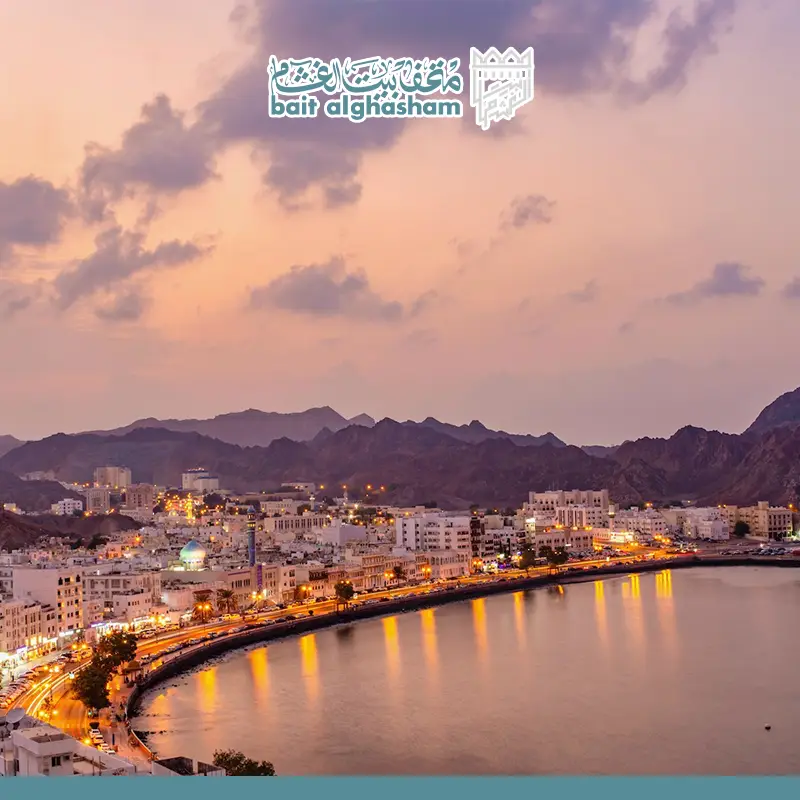
The Corniche curves between white merchant houses, the harbour and mountains. Traditional dhows, cruise ships and fishing boats create a constantly changing scene, especially near sunset. Behind the waterfront, Mutrah Souq—often called Souq Al Thalam, or the Market of Darkness—winds through covered lanes scented with frankincense and spices.
Look for Omani silver, khanjars, textiles, perfume oils, incense burners and household goods, but compare quality before buying. Friendly bargaining may be expected in some independent shops; remain courteous and agree on a price before payment. The small Gold Souq within the market is known for gold and intricate jewellery. Mutrah is also a convenient place to try grilled fish, Omani halwa and bitter kahwa.
6. Mutrah Fort and Al Riyam Viewpoints
Mutrah Fort rises above the harbour on a rocky ridge. Its elevated terraces provide a clear view of the Corniche’s curve, the port and the mountains that once made this anchorage defensible. The climb includes stairs and exposed sections, so wear secure footwear and avoid the hottest part of the day.
Farther along the waterfront, Al Riyam Park and its large white incense-burner monument provide another coastal viewpoint. Follow local signs because access can change.
7. Bait Al Baranda and Ghalya’s Museum of Modern Art
Bait Al Baranda uses an old Mutrah house to tell the story of the city’s geological formation, maritime connections and social development. Its emphasis on how land, harbour and settlement evolved makes it a helpful companion to the panoramic views from Mutrah Fort.
Ghalya’s Museum of Modern Art is a domestic time capsule, with furnished rooms and art evoking mid-twentieth-century Omani life. Check current access to both museums.
8. Sultan’s Armed Forces Museum at Bait Al Falaj
In Ruwi, the Sultan’s Armed Forces Museum occupies historic Bait Al Falaj Fort. Exhibits trace Oman’s military development through weapons, uniforms, documents and models, while outdoor displays may include aircraft, vehicles, boats and artillery. The fort setting makes the relationship between architecture and defence tangible.
This specialist stop suits older children and military-history enthusiasts. Carry identification, dress respectfully and verify visitor requirements in advance.
Qurum and Shatti Al Qurum: Culture, Beach and Green Space
Qurum is one of the easiest districts in which to slow the pace. Its opera house, beach, mangroves, cafés and park work well from late afternoon into evening.
9. Royal Opera House Muscat
The Royal Opera House Muscat combines contemporary performance facilities with carved stone, timber detailing and Omani-inspired design. Even without attending a concert, visitors may be able to explore public areas or join an available venue tour. Performances range from opera and ballet to orchestral music and regional productions.
Check the official performance calendar, tour schedule and dress expectations. Opera Galleria next door offers cafés and shops.
10. Qurum Beach, Shatti Al Qurum and the Mangroves
Qurum Beach is a long, accessible stretch of sand used by residents for walking, jogging and sunset gatherings. The Shatti Al Qurum area adds cafés and a relaxed social atmosphere, while the mangrove habitat behind sections of the coast supports birds and marine life.
Tides and bird activity vary. Keep away from sensitive areas, leave no litter and use responsible nature operators where activities are permitted.
11. Qurum Natural Park
Qurum Natural Park offers lawns, shaded paths, a lake and open space in the centre of the city. Local families use it for picnics and evening walks, making it a useful place to experience Muscat at a gentler pace. Children can move around after a museum-heavy morning, while adults can rest before dinner or an opera performance.
Visit later in the day during warmer months, carry water and supervise children near roads and water features.
Book your tour on WhatsApp — +968 9383 8979
Replies within 24–48 hours · Heritage tours from 3 OMR per person
Greater Muscat and Seeb: Mosque, Local Markets and Modern Waterfronts
West of Qurum, Muscat becomes more contemporary but still offers major cultural and family attractions. Distances are greater here, so group stops by location rather than crossing the city repeatedly.
12. Sultan Qaboos Grand Mosque
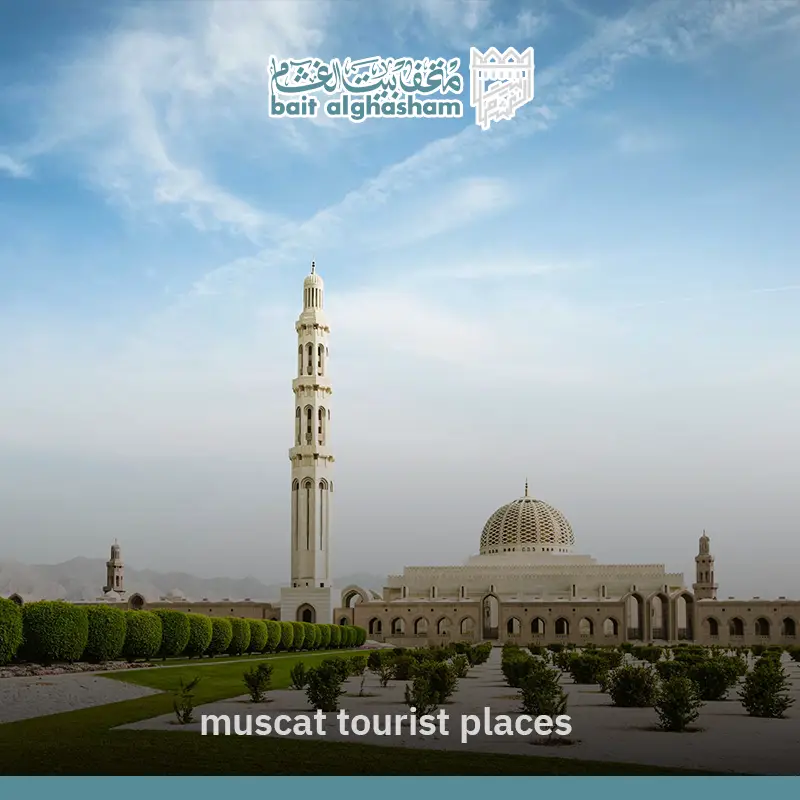
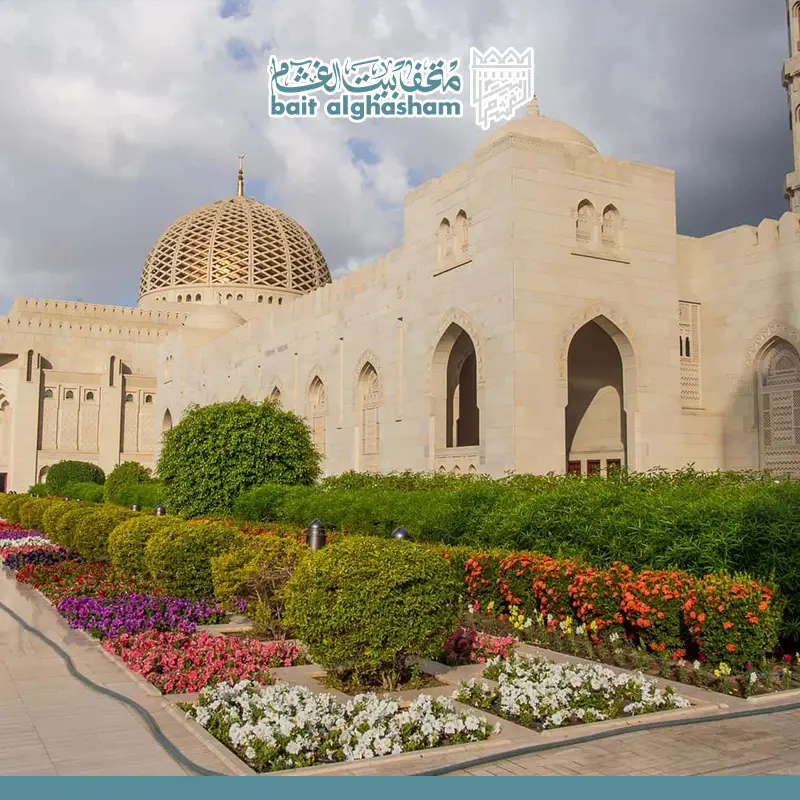
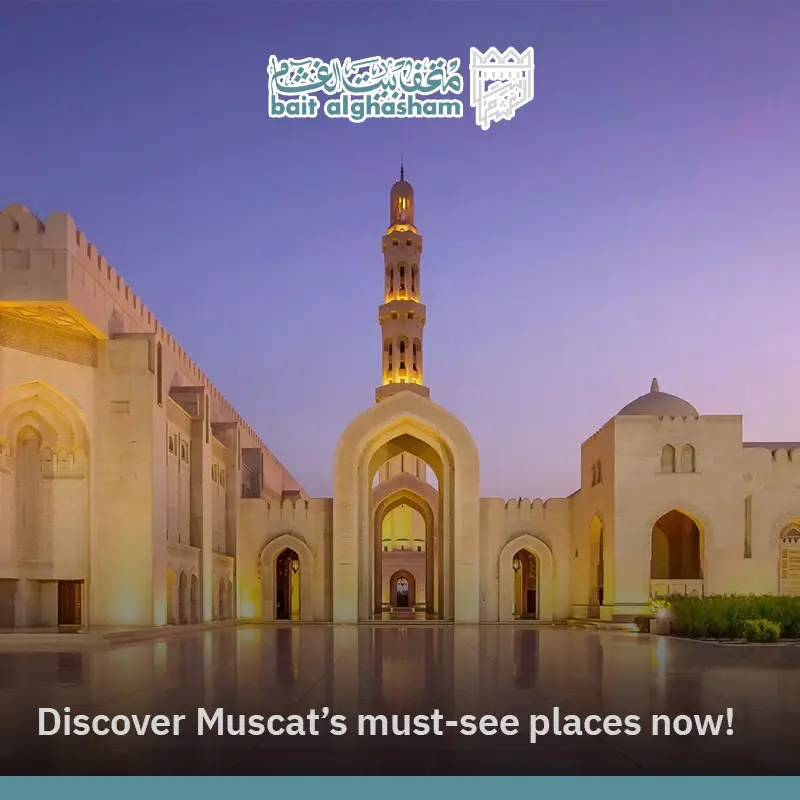
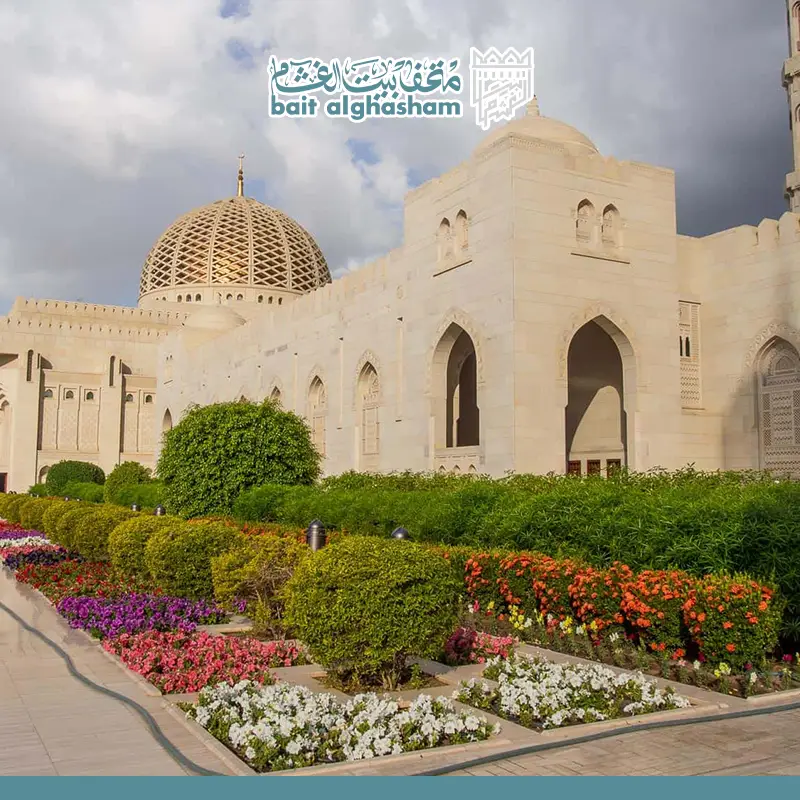
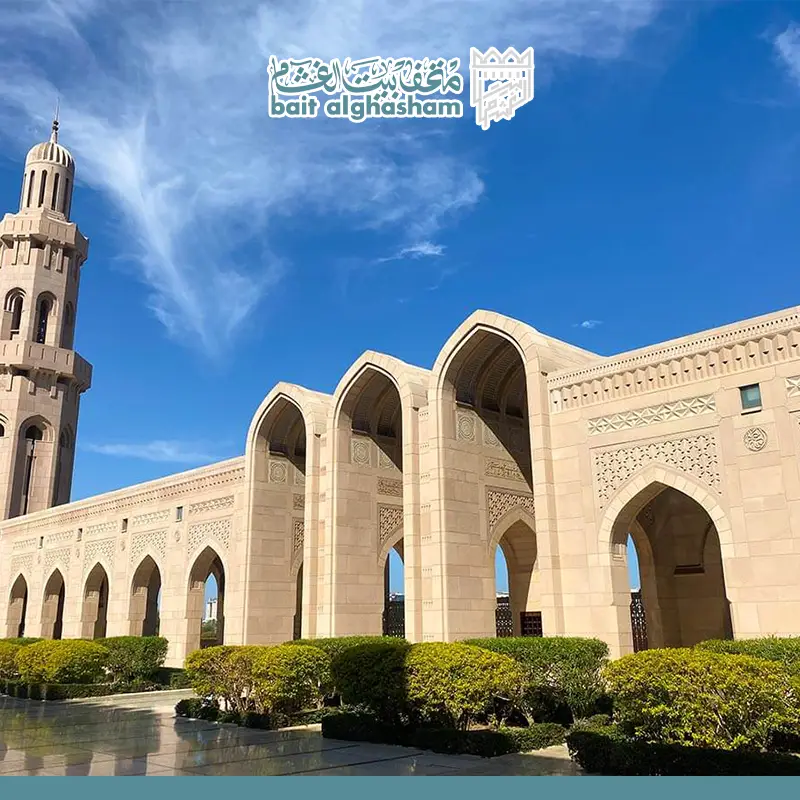
Sultan Qaboos Grand Mosque is a masterpiece of modern Islamic architecture built from Omani stone. Five minarets symbolise the five pillars of Islam, and the main prayer hall is renowned for its enormous handwoven carpet and crystal chandelier. Courtyards, arches, carved doors and landscaped grounds reward close attention as much as the headline features.
Non-Muslim visiting periods are limited and can change, so confirm the current official schedule. Men and women should wear clothing that covers shoulders and knees; women may be required to cover their hair. Shoes are removed before entering prayer areas. Keep voices low and remember that this is an active place of worship, not simply a monument.
13. Al Mouj Muscat
Al Mouj is a modern waterfront community near the airport, built around a marina, pedestrian promenades, restaurants and landscaped public areas. It is a comfortable choice for dinner, a stroller-friendly evening walk or a quiet final stop before a flight. The atmosphere is polished but generally more relaxed than comparable marina districts in larger regional cities.
Al Mouj is also a departure point for some marine excursions. If a boat activity is planned, verify the exact marina, check-in point and parking instructions because departures around Greater Muscat do not all use the same harbour.
14. Seeb Souq and Seeb Waterfront
Seeb Souq is more focused on everyday local trade than souvenir shopping. Depending on the section and time of day, visitors may find seafood, dates, clothing, household items, bridal chests and traditional goods. The nearby waterfront adds a glimpse of fishing life and a less staged side of the capital region.
Arrive with curiosity rather than a rigid shopping list. Ask before photographing vendors or fish auctions, carry some Omani rials for small purchases and dress modestly. Seeb is particularly convenient near the beginning or end of a trip because of its position west of central Muscat.
15. Amouage Perfumery Visitor Centre
Amouage was founded in Oman and is known internationally for luxury fragrances that draw on ingredients and scent traditions associated with the region, including frankincense. A visitor-centre experience may explain blending, production, bottling and the craftsmanship behind the brand.
Tours are not something to assume on arrival: advance booking, age limits or operational restrictions may apply. Confirm directly before making the journey. For fragrance lovers, the visit offers a distinctive connection between an Omani product, global luxury and the country’s historic incense trade.
16. Oman Aquarium at Mall of Muscat
Oman Aquarium is an indoor family attraction designed around aquatic environments and marine species. It can introduce children to life associated with reefs, mangroves and deeper waters while providing a climate-controlled option during a hot or dusty afternoon. Feeding sessions and educational activities may be available on selected days.
Allow enough time for children to move at their own pace, and check ticket categories, opening hours and programme times online. The surrounding mall provides food and practical facilities, but the aquarium—not general shopping—is the reason it belongs on this list of Muscat attractions.
Marine Muscat: Wildlife, Coves and Island Reefs
The meeting of mountains and sea is central to Muscat’s identity. Choose licensed operators, follow safety instructions and never treat a wildlife sighting as guaranteed.
17. Dolphin Watching, Qantab and Bandar Al Khairan
Morning boat trips from marinas such as Bandar Al Rowdha search for wild dolphins along Muscat’s rugged coast. Spinner dolphins are often associated with these waters, but animals decide whether to appear. Responsible trips keep a respectful distance and avoid chasing pods.
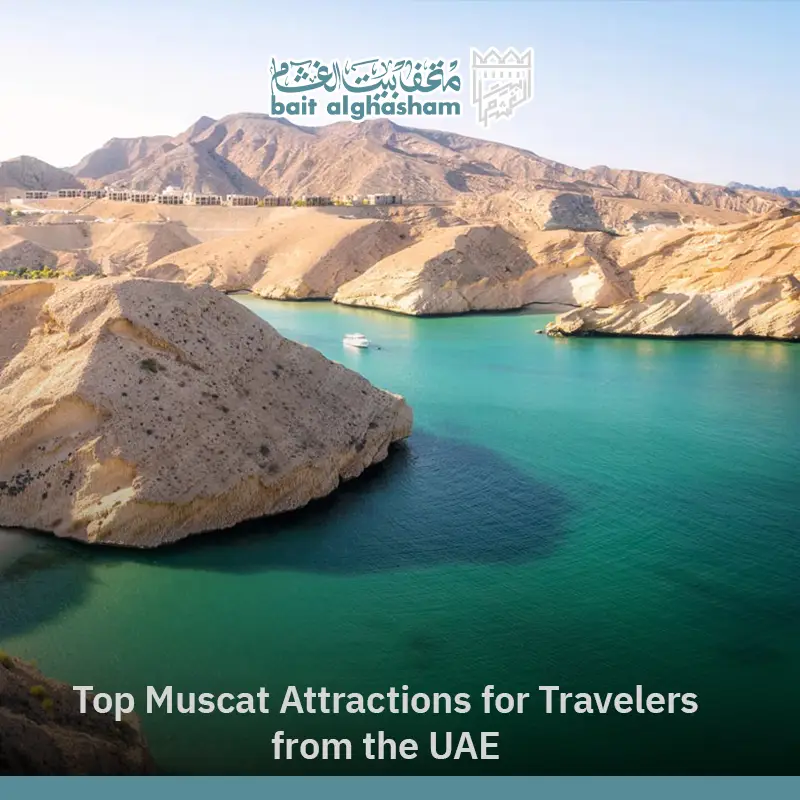
Qantab and Bandar Al Khairan add limestone headlands, sheltered coves and clear water suitable for scenic boating, kayaking or snorkelling under the right conditions. Ask what equipment, shade, drinking water and insurance are included. Families should request properly sized life jackets, and weak swimmers should tell the crew before departure.
18. Ad Dimaniyat Islands Nature Reserve
The Ad Dimaniyat Islands are a protected archipelago off the coast north-west of Muscat, valued for coral reefs, clear water, seabirds and marine life. Snorkelling and diving excursions commonly depart from marinas in the greater city area, but trip length and departure point vary.
Reserve rules, landing restrictions and seasonal protections exist to safeguard wildlife. Book with an authorised operator, do not touch coral or turtles, and take all rubbish back to shore. Sea conditions can cancel trips at short notice, so keep a flexible alternative such as a museum or aquarium. The islands are the strongest choice on this list for confident swimmers and reef enthusiasts.
How to Choose Muscat Attractions by Interest
- History: National Museum, Bait Al Zubair, Al Alam Palace, Mutrah Fort and the Armed Forces Museum.
- Architecture: Grand Mosque, Royal Opera House, Al Alam Palace and Mutrah’s traditional houses.
- Local atmosphere: Mutrah Corniche and Souq, Seeb Souq and Qurum Beach.
- Families: National Museum, Qurum Natural Park, Oman Aquarium and a suitable boat trip.
- Nature: Qurum’s coast and mangroves, Bandar Al Khairan or the Ad Dimaniyat Islands.
- Shopping: Mutrah for frankincense, silver and textiles; Seeb for everyday local goods.
One-Day Muscat Sightseeing Plan
A single day should focus on Muscat’s defining landmarks rather than attempting all 18 attractions.
Morning: Visit Sultan Qaboos Grand Mosque during the confirmed non-Muslim period. Continue to the Royal Opera House exterior or an available tour. If mosque access does not suit your day, start at the National Museum instead.
Midday: Drive to Old Muscat for Al Alam Palace, views of Al Jalali and Al Mirani, and either the National Museum or Bait Al Zubair. Choose one museum to avoid rushing. Have lunch in Old Muscat, Mutrah or Qurum.
Late afternoon and evening: Head to Mutrah Fort if time, weather and mobility permit, then walk the Corniche and enter Mutrah Souq as the day cools. Finish with Omani food: look for shuwa when available, grilled kingfish or hamour, followed by halwa and kahwa.
Three-Day Muscat Itinerary
Day 1: Grand Landmarks and Qurum
Begin at Sultan Qaboos Grand Mosque, continue to the Royal Opera House, and spend the late afternoon between Qurum Beach and Qurum Natural Park. This balances major architecture with a relaxed coastal evening. Families can shorten the opera stop and give children more park time.
Day 2: Old Muscat, Mutrah and Ruwi
Start with the National Museum, then walk or drive through the Al Alam Palace area. Add Bait Al Zubair or the smaller Muscat Gate and Omani-French museums if their schedules are confirmed. Move to Mutrah for Bait Al Baranda or Ghalya’s Museum, ascend Mutrah Fort in cooler weather, and end at the Corniche and souq. Military-history enthusiasts can substitute the Armed Forces Museum for one house museum.
Day 3: Choose Sea, Seeb or Family Attractions
For good sea conditions, choose either a dolphin-and-coves trip or an authorised Ad Dimaniyat Islands excursion; do not assume both fit comfortably into one day. Families seeking an indoor option can visit Oman Aquarium, then continue to Al Mouj for an evening walk. Travellers who prefer local markets can pair Seeb Souq with a pre-booked Amouage visit and dinner near Al Mouj.
Practical Tips for Visiting Muscat with Family
- Plan around heat: schedule forts, beaches and souqs for morning or late afternoon; use museums or the aquarium at midday.
- Reduce backtracking: combine Old Muscat with Mutrah, Qurum with the Opera House, and Seeb with Al Mouj.
- Carry water and sun protection: shade is limited at some viewpoints, waterfronts and mosque courtyards.
- Dress appropriately: cover shoulders and knees at cultural sites, and bring a hair covering for women visiting the Grand Mosque.
- Check accessibility: ask about steep stairs, narrow doors and uneven floors before arriving with a stroller or mobility needs.
- Choose boat operators carefully: request child-size life jackets, shade and clear cancellation terms; wildlife sightings are never guaranteed.

Frequently Asked Questions About Places to Visit in Muscat
What are the must-see places in Muscat for a first visit?
Prioritise Sultan Qaboos Grand Mosque, Al Alam Palace, the National Museum, Royal Opera House, and Mutrah Corniche and Souq. Add Qurum Beach for sunset.
How many days do I need in Muscat?
Three days comfortably covers the main districts: architecture and Qurum, Old Muscat and Mutrah, then a marine, family or Seeb experience. With one day, focus on the Grand Mosque, Old Muscat and Mutrah.
Is Muscat suitable for children?
Yes. Try Oman Aquarium, Qurum Natural Park, the National Museum and a suitable boat trip. Limit transfers, avoid midday heat and check stroller access at heritage sites.
Do I need a car to see Muscat attractions?
A car is convenient but not essential. Licensed taxis and local ride-hailing services connect the main districts. Group each day around neighbouring areas to reduce travel time.
What should I wear at Muscat tourist places?
Cover shoulders and knees at cultural places, souqs and malls. The Grand Mosque has stricter rules, including hair covering for women. Keep swimwear to suitable beaches, pools or boats.
Are dolphins and turtles guaranteed on Muscat boat trips?
No. Sightings depend on season, sea conditions and chance. Choose an operator that prioritises animal welfare and passenger safety, and enjoy the coastal scenery too.
Explore Muscat with Local Heritage Expertise
Ready to turn these ideas into a well-paced visit? Explore Bait Al Ghasham Group’s Muscat packages and day-trip options for current itineraries, guided heritage experiences and confirmed arrangements. Compare the available programme with this independent guide, then book the option that fits your dates, group and interests.
Your Next Step Starts Here
Pick your priorities from this guide, book what needs advance reservation, and leave room to wander. Your heritage trip starts with one message.