
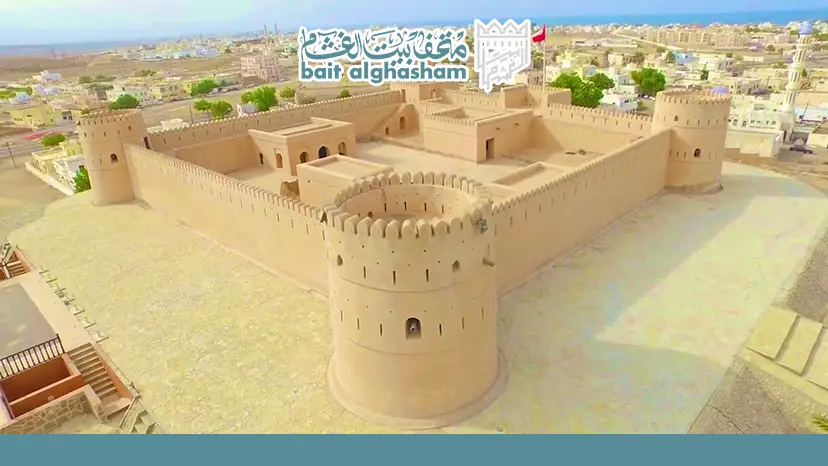
Perched on the eastern edge of the Sultanate of Oman, Ras Al Hadd Castle stands as an enduring symbol of coastal resilience, maritime defense, and military architecture. Built in the mid-16th century (circa 1530 to 1550), this formidable stronghold was designed to safeguard the region’s inhabitants and protect key sea lanes against naval invaders and coastal incursions. Today, the fortress serves as a vital historical site for travelers exploring the Sharqiyah South Governorate, offering a clear window into Oman’s storied defensive heritage.
The Castle’s Unique Geographic Location
The strategic prominence of Ras Al Hadd Castle is inextricably linked to its position at Arabia’s easternmost point, serving as a vital geographical milestone and defensive anchor for centuries:
- First Sunrise in the Arab World: Situated precisely where the Gulf of Oman meets the open waters of the Arabian Sea, the peninsula of Ras Al Hadd is geographically the first point across the entire Arab world to greet the morning sun. This extreme eastern orientation made it an indispensable nautical landmark for ancient mariners navigating trade routes between Persia, India, and the East African coast.
- Naval Gateway Protection: Positioned atop a prominent coastal headland, the fortress overlooked natural marine inlets, shallow tidal lagoons, and sheltered bays. These waters provided local fishing fleets and ocean-going merchant vessels with a crucial safe haven from violent sea storms and unpredictable monsoons. The castle’s elevated vantage point allowed garrisons to monitor all maritime traffic entering the Gulf of Oman.
- Proximity to Sur: Located roughly 45 kilometers east of the historic maritime city of Sur, the castle operated as a vital outer defensive buffer. It protected the region’s renowned dhow-building shipyards, fishing hubs, and coastal villages from sudden seaward attacks and piratical raids before invaders could reach the inner harbor of Sur.
Its Historic Coastal Defensive Role
As a quintessential example of traditional Omani coastal fortifications, Ras Al Hadd Castle features structural elements specifically engineered for coastal warfare, naval observation, and long-term community protection:
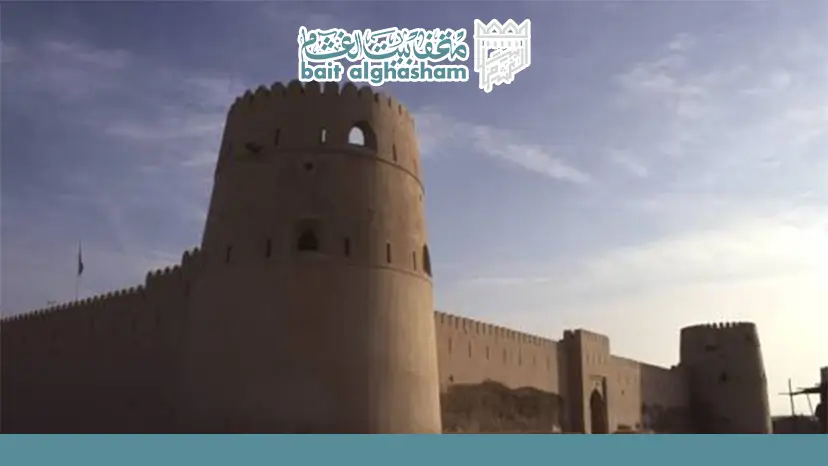
- Imposing Structural Layout: Built using locally sourced coral stone, gypsum plaster, and reinforced mud-brick, the fortress measures approximately 16 meters in width and 42 meters in length. Its exceptionally thick, sloping defensive walls were specifically designed to absorb heavy naval artillery fire and prevent sappers from undermining the fortress foundation during shore landings.
- Tactical Watchtowers: The castle is anchored by two massive, round watchtowers—positioned diagonally on the eastern and western perimeters. These elevated battlements featured narrow arrow slits and cannon ports, providing watchmen with clear 360-degree views of incoming hostile ships on the ocean horizon as well as landward desert approaches.
- Interior Sanctuary Facilities: Designed to double as a fortified refuge for local villagers during regional conflicts, the interior courtyard contains dedicated living quarters, weapon storage vaults, ammunition stores, and a deep freshwater well. These self-sustaining amenities ensured that both the military garrison and seeking civilians could endure prolonged naval blockades or land sieges without surrendering to thirst or supply shortages.
Explore Rich Archaeological Tourism in Oman:
Beyond medieval castles and coastal towers, history enthusiasts can immerse themselves in archaeological tourism in Oman by visiting UNESCO World Heritage sites, bronze-age beehive tombs, and ancient trading ports scattered across the country.
Combining It With the Nearby Ras Al Jinz Reserve
A excursion to Ras Al Hadd Castle is best enjoyed alongside a visit to the nearby Ras Al Jinz Reserve, located just a 15-minute drive down the coast:
- Green Turtle Nesting Sanctuary: Ras Al Jinz is world-renowned as a critical nesting site for the endangered Green Sea Turtle (Chelonia mydas), drawing thousands of female turtles annually to lay eggs along its protected beaches.
- Guided Eco-Tours: Visitors can participate in official night-time or early-morning guided beach walks to observe the turtles nesting and baby hatchlings making their journey back to the ocean.
- Interactive Scientific Center: The reserve features an state-of-the-art visitor center, museum displays, and educational exhibits detailing coastal ecology and regional archaeological discoveries.
Book Customized Oman Tour Packages:
Whether you wish to explore coastal fortresses, desert dunes, or historic mountain villages, choose from a wide variety of professionally curated Oman tour packages designed for an unforgettable travel experience.
Best Time to Visit Ras Al Hadd Castle
Planning your itinerary around optimal weather and ecological cycles enhances the entire travel experience:
- Peak Wildlife Season (July to September): While summer temperatures across Oman are high, coastal Ras Al Hadd benefits from monsoon breezes (Khareef effects). This period marks the absolute peak for turtle nesting activity at Ras Al Jinz.
- Comfortable Sightseeing Season (October to April): The cooler winter and spring months offer ideal weather for touring outdoor fortifications, exploring historical ruins, and enjoying daytime walks along the coast.
- Recommended Time of Day: Visit Ras Al Hadd Castle in the late afternoon to catch warm light over the battlements, followed by an evening turtle-watching tour at Ras Al Jinz.
Witness Wildlife at Ras Al Jinz Turtle Reserve:
No trip to the eastern coast is complete without spending an evening at the world-famous [Ras Al Jinz Turtle Reserve](%20https://baitalghasham.com/en/blog/ras-al-jinz-turtle-reserve/), where travelers can observe endangered Green Sea Turtles nesting safely along protected shores.
The Role of Ras Al Hadd During World War II
In addition to its ancient military history, Ras Al Hadd Castle and its surrounding peninsula played a strategic logistical role in 20th-century global conflicts:
- Allied Airstrip Construction: During World War II, British Royal Air Force (RAF) and Allied forces established an emergency asphalt military landing strip on the flat coastal plains adjacent to the castle. Positioned at the mouth of the Gulf of Oman, this airfield was vital for monitoring Axis submarine activities, patrolling oil shipping lanes, and protecting allied merchant convoys traveling through the Arabian Sea.
- Aviation Heritage: The expansive, level terrain around the fort served as an essential refueling, staging, and recovery point for Allied military aircraft operating between bases in British India and the wider Middle East. Today, traces of this WWII aviation heritage remain an intriguing chapter in the castle’s long history of safeguarding Arabian sea lanes.
Architectural Details and Restoration Efforts
To maintain the structural integrity and historical authenticity of Ras Al Hadd Castle, the Sultanate’s Ministry of Heritage and Tourism has overseen meticulous restoration initiatives designed to protect the fortress against coastal erosion while preserving its traditional aesthetic:
- Traditional Materials: Specialized conservation teams utilized authentic, period-accurate construction elements to honor the fort’s original 16th-century architecture. Walls were reinforced using locally harvested coral stone, beach rock, and mud-plaster mortar, while the ceilings were restored with durable date-palm frond matting and heavy teak and kandal wood support beams.
- Interior Exhibits: The restored inner chambers and guard quarters now serve as curated exhibition spaces. Inside, visitors can examine displays of traditional Omani matchlock rifles, curved khanjar daggers, iron cannonballs, ancient trade pottery, and brass-fitted wooden shipping chests (Mandoos), offering immersive insights into the daily life and routines of the coastal military garrison.
Practical Information for Travelers
To ensure a seamless, enjoyable visit to Ras Al Hadd Castle, keep these practical travel tips and operational details in mind when planning your itinerary:
- Entry and Opening Hours: The castle is generally open to visitors daily from Saturday through Thursday (typically from 8:00 AM to 4:00 PM), with shorter hours or closures on Friday mornings. Admission fees are nominal—usually around 1 to 3 Omani Rials—making it an accessible cultural stop for all travelers.
- What to Wear and Carry: Wear sturdy, comfortable walking shoes or sneakers suitable for navigating uneven stone courtyards and climbing steep, narrow watchtower steps. Be sure to carry sun protection (a hat, sunglasses, and high-SPF sunscreen) and ample drinking water, as afternoon coastal temperatures can be high and humidity levels tend to rise along the shore.
- Best Time for Photography: Plan your arrival for the late afternoon when the warm golden hour light enhances the earth-toned coral stone and mud-brick battlements. The top of the round watchtowers provides outstanding panoramic views of the coastal village, fishing lagoon, and Arabian Sea horizon.
Frequently Asked Questions About Ras Al Hadd Castle
Where exactly is Ras Al Hadd Castle located?
The castle is located in the coastal town of Ras Al Hadd, situated within the Sharqiyah South Governorate of Oman. It stands near the peninsula’s coastal lagoon and ocean shore, roughly 45 kilometers east of the maritime city of Sur.
Can it be combined with a turtle-watching trip?
Yes, easily. The castle is only a 15-minute drive from the Ras Al Jinz Turtle Reserve. Visitors typically tour Ras Al Hadd Castle during the late afternoon, then head to Ras Al Jinz for an evening or early-morning guided turtle-nesting eco-tour.
Can visitors enter it?
Yes, visitors can go inside. The castle is open to the public daily. Guests can explore the interior courtyard, walk through the historic living quarters and storage chambers, and climb the round watchtowers for panoramic views of the town and coastline.