
Exploring Traditional Omani Food is an unforgettable journey through centuries of Indian Ocean trade, ancient spice routes, and rich bedouin heritage. Omani cuisine relies on aromatic spices such as cardamom, saffron, turmeric, dried lime (loomi), and nutmeg to transform fresh meats, seafood, and rice into fragrant, comforting meals. For culinary travelers, sampling regional dishes offers a delicious window into the Sultanate’s generous culture.
Shuwa: The Iconic Festive Dish
No discussion of Traditional Omani Food and local gastronomy is complete without mentioning Shuwa, widely celebrated as Oman’s national dish and ultimate culinary masterpiece.
- Ancient Underground Cooking: Prepared during festive celebrations like Eid, Shuwa involves marinating lamb, goat, or beef in a rich paste of oil, red pepper, coriander, cumin, and garlic. The meat is wrapped tightly in banana or date palm leaves, placed inside a woven palm sack (Ghuban), and lowered into a deep underground clay oven (Tanoor) filled with glowing charcoal.
- Melt-in-Your-Mouth Flavor: The pit is sealed with mud and left to slow-cook for 24 to 48 hours. This prolonged underground steaming yields extraordinarily tender meat that effortlessly falls off the bone, infused with intense smoky and spicy notes. It is traditionally served on large platters over fragrant saffron or spiced rice.
Omani Majboos and Its Origins
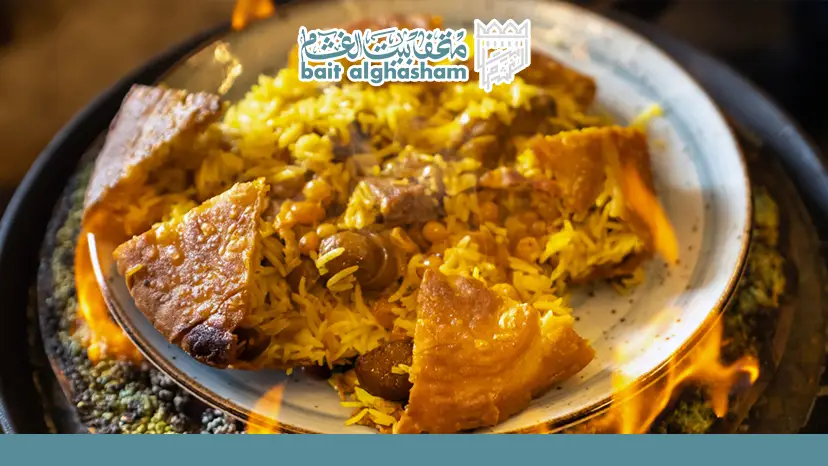
Also known as Makboos, Majboos is a beloved staple rice dish served across home kitchens and local celebrations in Oman.
- Spice-Infused Basmati: Rooted in historical trade connections with Persia and India, Majboos combines long-grain basmati rice cooked directly in a savory broth of cardamom, cinnamon sticks, cloves, bay leaves, and black dried lime (loomi).
- Varieties and Serving: The dish is prepared with marinated chicken, tender beef, or freshly caught coastal fish (such as kingfish or tuna). It is routinely garnished with caramelized onions, toasted pine nuts, and fried raisins, served alongside fresh tomato salsa (Daqqous).
Top Regional Activities
From observing wild gazelles in acacia forests and swimming in emerald wadi pools to exploring ancient UNESCO water channels, these experiences rank high among the best things to do in Oman.
Omani Halwa and Coffee Serving Rituals
In Omani culinary culture, savory meals are seamlessly complemented by legendary sweet delicacies and welcoming beverage traditions.
- The Artisanal Craft of Omani Halwa: Omani halwa is a famous sticky, gelatinous confection made from tapioca starch, ghee, caramelized sugar, rosewater, saffron, cardamom, and chopped nuts (such as almonds and cashews). Stirred continuously by hand in large copper cauldrons over open flames for hours, it serves as the ultimate symbol of hospitality during weddings, holidays, and family gatherings.
- Omani Coffee and Dates: Halwa is universally paired with Kahwa lightly roasted Omani coffee and dates. Because traditional Kahwa is unsweetened and heavily infused with cardamom and rosewater, the rich sweetness of dates and halwa balances the coffee’s aromatic bitterness perfectly.
Vibrant Capital Shopping
Stepping into Old Mutrah Souq in Muscat immerses travelers in a bustling labyrinth of narrow timber-roofed alleyways filled with the sweet aroma of frankincense, silver daggers, and colorful textiles.
Where to Try Authentic Omani Food on Your Heritage Trip
Finding authentic Omani restaurants while exploring historic landmarks allows you to savor regional culinary traditions in authentic settings:
- Heritage Houses & Living Museums: Many restored cultural properties such as Bait Al Ghasham offer traditional dining settings where guests can taste authentic Omani lunch platters, fresh dates, and homemade halwa inside historical majlis rooms.
- Traditional Souqs & Oasis Villages: Exploring traditional souqs in Nizwa or Muttrah provides direct access to artisanal halwa bakeries, local fish markets, and roadside cafes serving freshly baked Khubz Ragag (crispy thin Omani bread filled with cheese and honey).
Deep Cultural Values
Rooted in Islamic values and centuries of bedouin hospitality, Omani Customs and Traditions prioritize generosity, mutual respect, and modesty across every social interaction.
Coastal Flavors and Omani Seafood Specialties
Given Oman’s thousands of kilometers of coastline, fresh seafood plays a starring role in Traditional Omani Food:
- Mashuai (Roasted Whole Fish): A beloved coastal dish consisting of whole spit-roasted kingfish served over fragrant rice spiced with dried lime, cardamom, and toasted nuts.
- Fish Paplou (Soured Seafood Soup): A tangy, spicy soup cooked with fresh tuna, turmeric, lemon juice, and chili, traditionally served hot alongside steamed white rice.
Traditional Omani Breads and Breakfast Staples
Omani breakfast traditions reflect a simple yet incredibly flavorful side of the local culinary heritage:
- Khubz Ragag: A paper-thin, crispy flatbread baked on a hot iron griddle, typically spread with Kraft cheese, honey, or eggs.
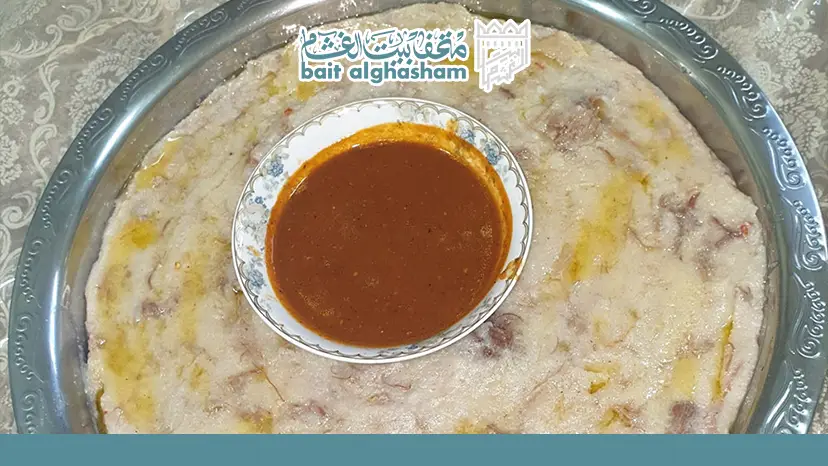
- Harees and Madrouba: Hearty, comforting wheat porridge dishes slow-cooked with tender chicken or meat, topped with melted ghee (Saman).
Sweet Drinks and Refreshing Beverages in Traditional Omani Food
Beyond Kahwa, Oman features unique regional beverages designed to refresh during warm days:
- Laban and Mint: A cooling, salted buttermilk drink blended with fresh mint, often served alongside heavy lunch platters to aid digestion.
- Frankincense-Infused Water: Water purified and subtly flavored by soaking natural frankincense resin tears (Luban), appreciated for its refreshing taste and traditional health benefits.
Frequently Asked Questions About Traditional Omani Food
What is Oman’s most famous traditional dish?
Oman’s most famous national dish is Shuwa, a festive meal of tender marinated meat (lamb, goat, or beef) wrapped in palm leaves and slow-cooked underground in a clay oven for 24 to 48 hours.
How is Omani coffee typically served?
Omani coffee (Kahwa) is lightly roasted and spiced with cardamom and rosewater. It is served from a traditional long-spouted silver pot (Dallah) into small porcelain cups, always accompanied by sweet fresh dates and served with the right hand.
Can I try authentic Omani food during heritage tours?
Many heritage tours include stops at traditional restaurants, cultural manor houses like Bait Al Ghasham, and local market eateries where visitors can sample authentic dishes like Shuwa, Majboos, and freshly made Omani halwa.