
Located on the easternmost peninsula of the Arabian Peninsula, Ras Al Jinz Turtle Reserve is a world-renowned sanctuary for the endangered Green Sea Turtle (Chelonia mydas). Nestled within the Ash Sharqiyah South governorate, this protected nature reserve serves as one of the most critical nesting sites in the Indian Ocean, attracting thousands of sea turtles annually. Offering a rare, up-close look at one of nature’s most incredible life cycles, the reserve stands as a shining example of successful ecotourism in Oman.
Where Is Ras Al Jinz Turtle Reserve Located?
Reaching this coastal sanctuary is convenient for travelers exploring the eastern shores of the Sultanate:
- Geographic Position: Situated in Ras Al Hadd within the Ash Sharqiyah South Governorate, the reserve marks the precise point where the Gulf of Oman meets the Arabian Sea.
- Proximity to Sur and Muscat: Ras Al Jinz is located approximately 45 kilometers (a 40-minute drive) east of the coastal city of Sur, and roughly 260 kilometers (a 3-hour drive) southeast of Muscat.
- Road Accessibility: A smooth, paved highway connects Muscat and Sur directly to the reserve, making it easily accessible for standard sedan vehicles and 4WDs alike.
Turtle Nesting Season Throughout the Year
While sea turtles visit the sanctuary year-round, understanding seasonal patterns and daily schedule windows will help you time your visit for the most rewarding wildlife encounters:
Peak Nesting Season (July to September)
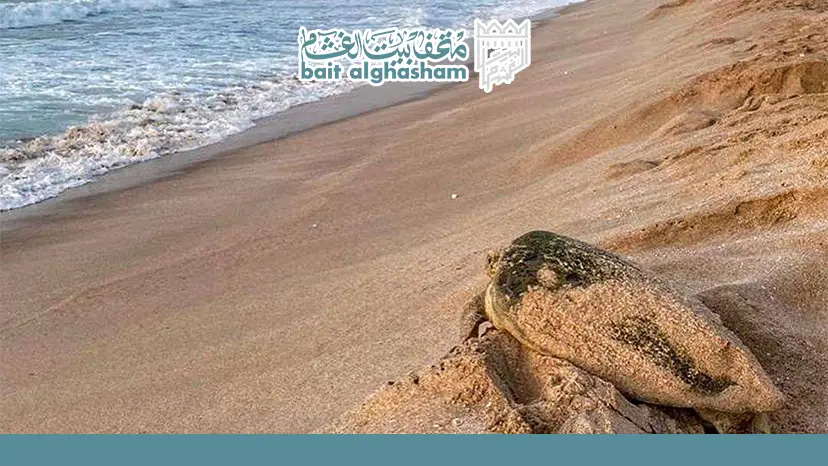
The summer months mark the absolute climax of marine turtle activity along the coast of Ash Sharqiyah South. Driven by nutrient-rich Indian Ocean upwellings and warm sandy beaches, up to 100 endangered Green Sea Turtles (often referred to locally as Ras Al Hadd turtles) haul themselves out of the surf every night. During this peak window, beachgoers have the highest probability of witnessing the full nesting sequence: excavating deep body pits, laying clutch eggs, and camouflaging the nest before returning to the sea.
Year-Round Activity and Hatching Windows
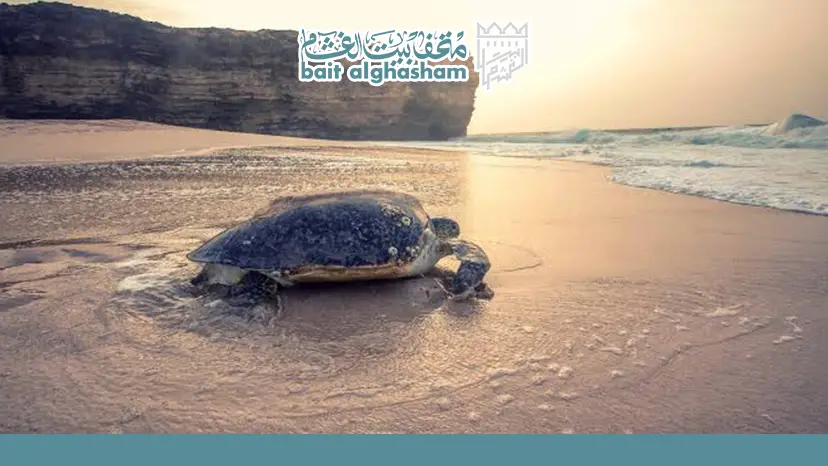
Even during the cooler off-peak months (October to June), the sanctuary remains active. Dozens of female turtles nest on the sands each night, providing a quieter, less crowded experience for visitors. Furthermore, because egg incubation takes roughly 50 to 60 days, the cooler months coincide with peak hatching times—giving visitors a rare opportunity to see tiny green turtle hatchlings emerge from the sand pits and scramble toward the ocean wave line.
Optimal Daily Viewing Schedule
Because sea turtles are strictly nocturnal nesters to avoid daytime predators and high sun temperatures, official reserve tours operate during two controlled daily slots:
- Night Excursion (Starts ~8:30 PM): Ideal for observing adult females dragging themselves up the beach slope, digging egg chambers, and laying their clutches under the night sky.
- Dawn Excursion (Starts ~5:00 AM): Offers better ambient natural light for photography, making it easier to spot late-nesting females returning to the surf or tiny hatchlings making their first trek to the sea before sunrise.
Cultural & Architectural Heritage
Exploring historic sanctuaries like Bait Al Ghasham in Wadin Al Maawil gives travelers a fascinating look into traditional Omani architecture, restored mud-brick rooms, and centuries of royal highland heritage.
How to Book a Turtle Watching Tour
To safeguard the delicate beach ecosystem, unguided beach access is strictly prohibited:
- Official Guided Excursions: Visitors must join official, ranger-led tours organized directly through the Ras Al Jinz Turtle Reserve Scientific and Visitor Centre. Rangers manage group sizes and guide guests safely across the beach in total darkness.
- Advance Reservations: Because nightly tour slots are capped to minimize disturbance to nesting females, advance online booking is highly recommended—especially during the peak summer nesting season.
- On-Site Accommodation Perks: Guests staying overnight at the Ras Al Jinz Scientific Center Hotel or eco-tents receive priority access and complimentary entry to both the evening and dawn guided tours.
Eco-Etiquette During Your Visit
Preserving this delicate marine sanctuary requires strict adherence to environmental rules set by local conservation rangers:
- Lighting Restrictions: White light startles nesting turtles and disorients hatchlings trying to navigate toward the ocean. Visitors must turn off phone flashlights and rely solely on special low-intensity red lights carried by official rangers.
- Noise Control & Space: Guests must remain quiet and maintain a respectful distance from female turtles while they dig nest pits or lay eggs. Never touch, ride, or obstruct a turtle’s path back to the water.
- Zero Litter Impact: Single-use plastics and trash pose severe hazards to marine life. Visitors must carry out all waste and avoid leaving anything behind on the protected beach.
Top Bucket-List Experiences
From watching green sea turtles nest on eastern beaches to touring centuries-old mud-brick castles, discovering cultural landmarks is among the most rewarding things to do in Oman.
Combining It With a Heritage Trip to Wadi Al Maawil
Pairing coastal conservation with interior cultural explorations creates a well-rounded Omani itinerary:
- A Journey from Coast to Fortresses: After observing green turtles along the shores of Ash Sharqiyah South, head inland toward Batinah to explore historic heritage sites such as Wadi Al Maawil, home to ancient mud-brick castles, traditional markets, and lush date palm oases.
- Diverse Omani Landscapes: Combining the marine wilderness of Ras Al Jinz Turtle Reserve with interior wadi hiking and fortress tours highlights the dramatic geographic contrast of the Sultanate.
Before or after your beach excursion, spending time inside the reserve’s interactive centre provides critical context for your wildlife encounter:
- Interactive Marine Museum: The centre features a state-of-the-art museum with detailed displays, turtle shell specimens, and interactive maps illustrating green sea turtle migration routes across the Indian Ocean.
- Educational Documentary Screenings: Visitors can watch short, informative documentaries detailing the 30-year conservation history of Ras Al Jinz, explaining the lifecycle of marine turtles and the environmental threats facing them.
- On-Site Facilities: The centre includes a full-service restaurant serving international and Omani buffet meals, a gift shop featuring eco-friendly souvenirs, and comfortable indoor waiting lounges for tour groups.
Historic Coastal Fortresses
A short drive from Ras Al Jinz leads to the iconic Ras Al Hadd Castle, a historic coastal fort that played a vital defensive role protecting the eastern peninsula and its maritime trade routes.
Overnight Accommodations Inside the Reserve
Staying directly at the reserve offers distinct advantages for wildlife lovers and families:
- Scientific Center Hotel Rooms: Clean, modern rooms located within the main building, providing immediate access to the visitor centre, restaurant, and beach path starting points.
- Luxury Eco-Tents: For a unique outdoor experience, visitors can stay in air-conditioned canvas eco-tents pitched on the hillsides overlooking the reserve, blending comfort with raw coastal nature.
- Priority Beach Tour Access: Staying overnight automatically includes guaranteed entries to both the 8:30 PM night tour and the 5:00 AM dawn tour, eliminating the stress of driving back to Sur in the dark.
What to Pack for Your Turtle Watching Excursion
Preparing the right gear ensures a comfortable and compliant walk on the dark, sandy beach:
- Dark and Breathable Clothing: Wear dark-colored, lightweight clothing to blend into the night landscape, as bright or white clothing can startle nesting turtles.
- Sturdy Walking Shoes: The guided walk involves trekking over soft sand, rocky slopes, and uneven beach terrain in low light; wear closed-toe sneakers or sturdy outdoor sandals.
Seamless Guided Adventures
To explore historic forts, remote wadi pools, and coastal reserves stress-free with local experts, visitors can easily book Oman tour itineraries tailored to their travel preferences.
Frequently Asked Questions About Ras Al Jinz Turtle Reserve
When is turtle nesting season at Ras Al Jinz?
Turtle nesting occurs year-round at Ras Al Jinz. However, the absolute peak season takes place during the warm summer months between July and September, when the highest number of green turtles come ashore.
Is flash photography allowed?
No, flash photography and white artificial lights (including mobile phone flashes) are strictly prohibited on the beach. Bright lights startle female turtles, causing them to return to the sea without laying eggs, and disorient newly hatched baby turtles.
Is the visit suitable for children?
Yes, turtle watching tours are suitable and highly educational for children. However, parents should ensure kids can remain quiet, follow ranger safety instructions, and walk on soft sand in dark conditions for about 1.5 to 2 hours.