
Jabal Samhan Nature Reserve is a 4,500-square-kilometer protected area in the Dhofar Governorate of southern Oman, famous as one of the last remaining natural refuges for the critically endangered Arabian leopard.
Where Is Jabal Samhan Reserve Located?
Understanding the unique position and topography of the reserve explains why it serves as such an effective biological refuge:
- Heart of Dhofar Governorate: Located in southern Oman, the reserve encompasses the highest mountain peaks in the eastern Dhofar range, roughly 80 kilometers east of the coastal city of Salalah.
- Dramatic Escarpment Topography: The plateau rises sharply to elevations exceeding 2,100 meters above sea level before plunging vertically down steep precipices into the coastal plain below.
- Secluded Wilderness Microclimate: Isolated by deep ravines (wadis) and precipitous cliffs, the interior plateau creates a protected microclimate cut off from dense human settlement, offering an ideal haven for sensitive fauna.
Discover Top Places to Visit in Salalah:
Beyond the high-altitude peaks of Jabal Samhan, explore the lush coastal capital of Dhofar by discovering the most iconic places to visit in Salalah, including coconut groves, historic frankincense ports, and cascading seasonal waterfalls.
Conservation Efforts for the Arabian Leopard
The preservation of the Arabian leopard (Panthera pardus nimr) serves as the ultimate centerpiece and primary mandate of the reserve’s environmental conservation framework:
- Critically Endangered Status: Classified as Critically Endangered on the IUCN Red List, with estimated populations dropping below 200 wild individuals across the entire Arabian Peninsula, the remote limestone cliffs and deep canyons of Dhofar represent the species’ absolute primary remaining sanctuary. Preserving this isolated population is crucial to preventing the total extinction of the subspecies in the wild.
- Non-Invasive Camera Trapping: Field researchers and wildlife biologists from Oman’s Environment Authority deploy non-invasive monitoring technologies across the terrain. Extensive networks of motion-activated camera traps are strategically installed near watering holes, cliff ledges, and territorial scent markers to track individual leopards using their unique spot patterns, evaluate population health, record breeding success, and gather vital ecological data without disrupting their natural habits.
- Anti-Poaching Patrols and Community Partnerships: Dedicated environmental ranger patrols conduct routine ground sweeps across sanctuary boundaries to enforce strict wildlife protection laws, eliminate illegal hunting, and remove wire snares. Furthermore, conservation authorities actively engage local pastoral communities through livestock compensation schemes and educational outreach, mitigating human-wildlife conflict and transforming local residents into active stewards of the leopard’s native habitat.
Explore Biodiversity at Al Saleel Nature Reserve:
Eco-travelers seeking to experience Oman’s rich wildlife habitats can also plan an excursion to Al Saleel Nature Reserve, a protected sanctuary in Sharqiyah famous for its dense acacia forests and wild Arabian gazelle populations.
Other Wildlife Within the Reserve
While the big cat is the reserve’s most famous inhabitant, Jabal Samhan Nature ReserveClick to open side panel for more information shelters a rich diversity of terrestrial and avian species adapted to arid mountain terrains:
- Rare Mammals: The rocky slopes support populations of the Arabian ibex, Nubian ibex, caracal, striped hyena, Arabian gazelle, and the elusive Blanford’s fox.
- Abundant Avian Life: Soaring high above the deep canyons are major bird species, including Bonelli’s eagles, Verreaux’s eagles, falcons, and various migratory raptors.
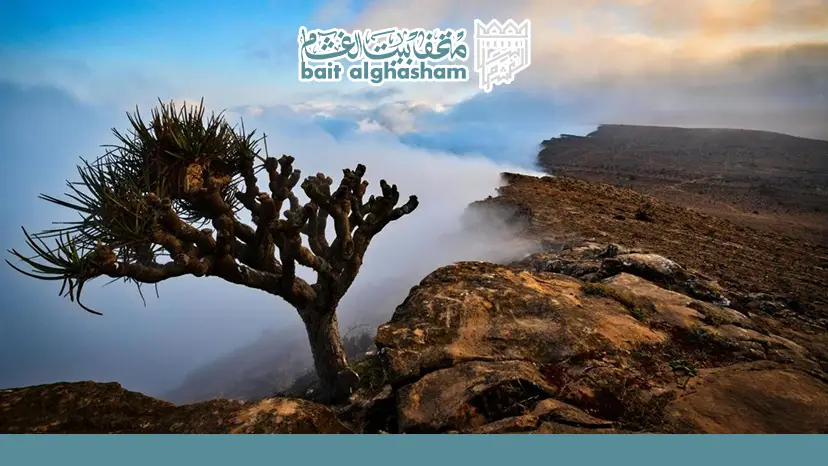
- Endemic Mountain Flora: The high-altitude plateau is dotted with unique botanical specimens, including ancient frankincense trees (Boswellia sacra), dragon blood trees, and desert roses adapted to moisture-rich seasonal fogs.
Can Visitors Actually See the Leopard?
Managing expectations is key when traveling to this high-altitude sanctuary:
- Extreme Elusiveness: Arabian leopards are strictly nocturnal, highly solitary, and expertly camouflaged against the limestone terrain. Direct encounters in the wild are extraordinarily rare even for researchers.
- Access Regulations: To protect vulnerable wildlife habitats, core zones of the reserve require special entry permits from the Environment Authority, while public access is generally limited to designated view platforms along the mountain ridge.
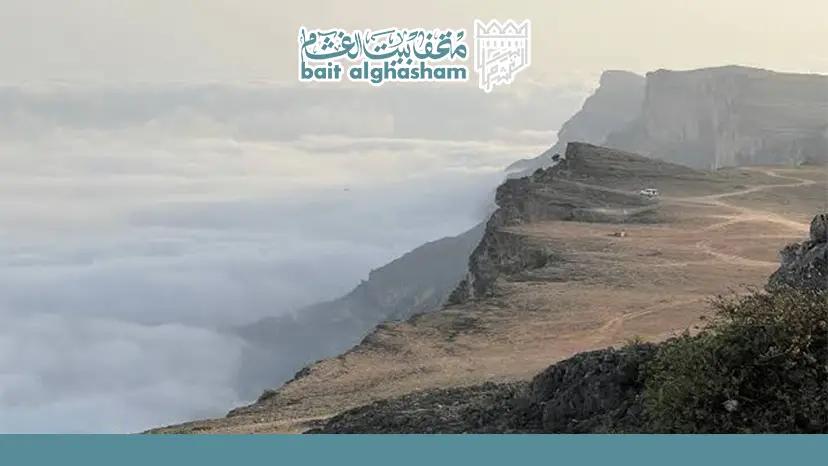
- Breathtaking Escarpment Views: Even without spotting a leopard, visitors are rewarded with spectacular views over the clouds from the Jabal Samhan viewpoint, dramatic canyon drives, and serene mountain vistas.
Flora and Microclimates of the Jabal Samhan Nature Reserve
Beyond its rare animal life, Jabal Samhan Nature Reserve features a fascinating botanical environment shaped by dramatic shifts in altitude, rugged topography, and distinct microclimatic zones:
Ancient Frankincense and Endemic Trees
The dry, rocky wadis and gravel plateaus foster hardy botanical species adapted to arid mountain conditions. The reserve shelters wild frankincense trees (Boswellia sacra) the ancient resin source that drove Dhofar’s historical trade routes alongside rare dragon blood trees (Dracaena serrulata), umbrella-shaped acacias, and isolated clusters of ancient baobabs (Adansonia digitata) clinging to the canyon walls.
The Khareef Effect and Microclimates
During the annual summer monsoon season (Khareef, from July to September), moisture-laden sea fogs push against the southern escarpments of the Dhofar range. While the highest peaks often rise above the fog line into clear sunshine, the lower slopes capture intense moisture, transforming dry limestone terraces into vibrant green pastures and supplying a vital seasonal lifeline to the plateau’s unique flora.
Ecotourism and Visitor Highlights
While core biological zones remain restricted, tourists can experience several breathtaking highlights along the permitted edges of the reserve:
- The Jabal Samhan Viewpoint: Perched over 1,300 meters above sea level, this famous cliffside vantage point offers panoramic views over a sea of clouds and the coastal plains below.
- Tawi Attair Sinkhole: Located near the western entrance of the reserve range, this massive natural sinkhole known as the “Birds’ Well” is one of the deepest limestone sinkholes in the world and home to thousands of nesting birds.
Practical Travel Tips for Visiting Jabal Samhan
To ensure a safe, comfortable, and ecologically respectful visit to Jabal Samhan Nature Reserve, keep these operational guidelines and travel tips in mind:
- Vehicle Requirements: Driving a sturdy 4WD (four-wheel drive) vehicle is highly recommended—and essential for certain tracks—due to steep mountain inclines, sharp hairpin turns, and unpaved secondary routes leading toward cliffside viewpoints and scenic mountain overlooks.
- Weather and Clothing: Due to the elevated altitude (over 1,300 to 2,100 meters above sea level), temperatures on the high plateau are significantly cooler than in the coastal lowlands of Salalah. Bring a windbreaker jacket or warm layers, particularly during early morning visits, evening trips, or winter months when mountain breezes turn chilly.
- Leave No Trace Principles: As a protected ecological sanctuary, visitors are strictly required to pack out all trash, refrain from disturbing or feeding wild animals, and adhere to designated barrier zones and marked trails along precipitous cliff edges to ensure both safety and habitat preservation.
Book Your Custom Oman Tour:
Ready to explore mountain sanctuaries, ancient castles, and pristine coastal reserves? Book Oman tour packages today with expert local guides to experience the very best of Arabian hospitality and untouched nature.
Frequently Asked Questions About Jabal Samhan Nature Reserve
Can visitors see the Arabian leopard in the reserve?
Direct sightings are extremely rare. The Arabian leopard is strictly nocturnal, solitary, and expertly camouflaged within the remote limestone canyons. Additionally, public access is restricted to protective cliffside viewpoints, while the core habitats where leopards roam are closed to general tourism to preserve the species.
Where is Jabal Samhan Reserve located?
The reserve is located in the Dhofar Governorate of southern Oman. It spans the high plateau and steep escarpments of the eastern Jabal Samhan mountain range, situated roughly 80 kilometers east of the coastal city of Salalah.
Is camping allowed inside?
Camping inside the core protected zones is strictly prohibited to prevent environmental degradation and protect fragile wildlife populations. However, designated public camping sites and eco-lodges are available along the outer fringes of the mountain plateau near the main viewpoint area.