
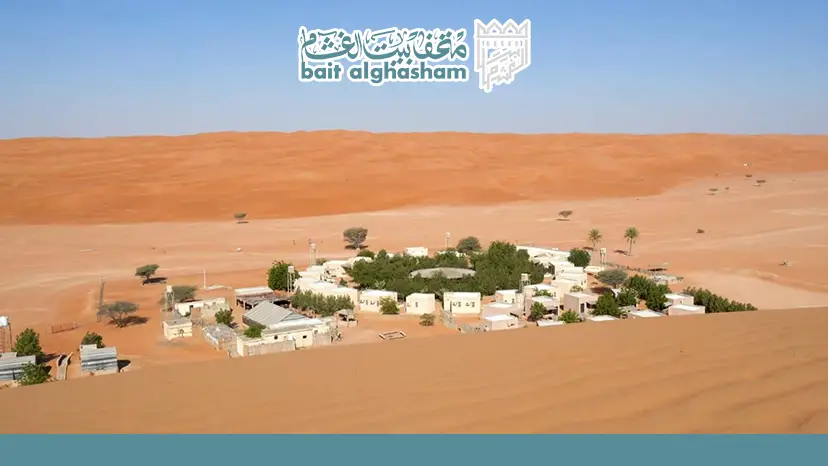
Stretching across eastern Oman, the Sharqiya Sands (Wahiba Sands) Desert is a vast sea of undulating golden dunes that showcases the timeless beauty of the Arabian wilderness. Covering over 10,000 square kilometers, this iconic desert ecosystem features soaring sand dunes reaching up to 100 meters high. Renowned for its rich cultural history and thrilling outdoor landscapes, it offers travelers an unforgettable immersion into authentic desert life.
Where Are the Sharqiya Sands (Wahiba Sands) Desert Located?
Navigating your route to this expansive desert region is straightforward for visitors traveling through central and eastern Oman:
- Geographic Position: Located in the Ash Sharqiyah North and South Governorates, the desert stretches south from the Eastern Hajar Mountains down toward the Arabian Sea coastline.
- Proximity to Muscat: The northern gateway of the desert near Al Raka or Biddiyyah sits roughly 200 kilometers south of Muscat, making it an accessible 2-to-3-hour drive from the capital.
- Access Points: Most travelers enter the dunes through the town of Biddiyyah. While 2WD vehicles can reach the edge of the sands, driving into the deep dunes strictly requires a high-clearance 4WD vehicle with reduced tire pressure.
Safari Trips and Bedouin Camps
Experiencing the vast interior of the dunes centers around immersive wilderness excursions and traditional desert hospitality:
- Desert Safari Trips: Taking a guided 4×4 desert safari allows you to traverse deep dune fields, navigate steep ridges, and witness dramatic shifting sand landscapes led by experienced local drivers.
- Bedouin Camps: Staying overnight at authentic Bedouin camps offers a rare glimpse into nomadic traditions. Guests can enjoy traditional Omani dinners grilled under the stars, listen to local folklore, and stay in comfortable desert tents.
- Stargazing Wilderness: Free from city light pollution, nightfall over the dunes reveals crystal-clear views of the Milky Way, making overnight stays a highlight for astronomers and photographers.
Wildlife and Biodiversity
Exploring protected sanctuaries like Al Saleel Nature Reserve in Ash Sharqiyah South provides nature lovers with a unique opportunity to spot endangered Arabian gazelles, wildcats, and rare desert flora in their natural habitat.
Dune Activities: Sandboarding and Camel Rides
The shifting golden waves of the Sharqiya Sands (Wahiba Sands) Desert serve as a natural playground, offering diverse recreational activities that suit both tranquil cultural explorers and extreme adventure seekers:
Dune Sandboarding
Thrill-seekers can strap on specialized sandboards to carve down steep, high-velocity dune faces reaching gradients over 30 degrees. The fine, dry silica sand provides a smooth glide, making top-tier dunes near Biddiyyah and luxury desert camps ideal spots for sunset runs with soft sand landings.
Authentic Bedouin Camel Treks
For an authentic look into traditional desert transport, guided camel caravans allow travelers to cross high ridge crests during dawn or dusk. Led by local Bedouin guides who share insights into desert survival and animal husbandry, these treks provide quiet, elevated vantage points perfect for landscape photography.
Quad Biking and Dune Bashing Excursions
Adventure enthusiasts can rent high-performance ATVs (quad bikes) or join thrilling 4×4 dune-bashing runs with experienced Bedouin drivers. These off-road sessions feature controlled descents, sharp crest turns, and tire-pressure adjustments that allow vehicles to climb 100-meter-tall sand walls safely.
Top Travel Experiences
From camping under the golden dunes of Wahiba Sands to swimming in crystal-clear wadi pools, discovering diverse landscapes is among the most exciting things to do in Oman.
Best Time to Visit Sharqiya Sands (Wahiba Sands) Desert and Avoid the Heat
Planning your desert itinerary around seasonal climate changes ensures a safe and comfortable journey:
- Cooler Winter Season (October to April): The prime period for desert travel, featuring daytime temperatures ranging between 22°C and 30°C and cool night breezes ideal for outdoor campfires and camping.
- Summer Heat Warnings (May to September): Summer temperatures frequently soar past 45°C during the day. Visiting during these months is generally discouraged due to intense heat and severe dehydration risks.
- Diurnal Temperature Drops: Desert nights cool down rapidly even during shoulder seasons, so packing a light jacket or warm layers for evening stays is essential.
Desert Driving Safety and Essential Preparation
Navigating deep sand dunes requires proper vehicle preparation and off-road driving techniques to ensure a safe journey:
- Tire Pressure Deflation: Before leaving the asphalt road at Biddiyyah, drivers must reduce their tire pressure to around 12–15 PSI. This widens the tire’s surface area, allowing 4WD vehicles to float over soft sand rather than digging in.
- Essential Recovery Gear: Always carry a portable air compressor, tow ropes, sand tracks/recovery boards, a shovel, and a pressure gauge. Never enter remote dune areas with a single vehicle unless accompanied by an experienced local desert guide.
- Hydration and Communication: Carry a minimum of 4 to 5 liters of drinking water per person per day, fully charged mobile phones, and offline GPS maps (such as Maps.me or OsmAnd), as cellular signal drops quickly deep inside the dune fields.
Guided Local Journeys
Navigating off-road mountain passes and historic desert trails becomes effortless when booking tailored Oman tours led by experienced local guides.
Cultural Encounters: Meeting the Bedouin Communities
The Sharqiya Sands (Wahiba Sands) Desert is far from an empty wasteland it is the living ancestral homeland of resilient nomadic tribes who have adapted to the harsh desert environment over centuries. Engaging respectfully with local Bedouin communities adds immense cultural depth to any desert itinerary.
Traditional Bedouin Hospitality
Hospitality is a cornerstone of Bedouin identity. Many local families open their homesteads and temporary encampments to travelers, welcoming guests with traditional Omani coffee (kahwa) infused with aromatic cardamom and rosewater, alongside sweet Omani dates and fresh camel milk. Sitting on woven floor mats inside a shaded goat-hair tent while chatting with elders offers rare, authentic insights into desert survival, tribal history, and animal husbandry.
Bedouin Crafts and Authentic Artisanship
Handicrafts remain a vital cultural link and source of independent income for desert households. Visitors have the opportunity to support local Bedouin women directly by purchasing handcrafted woolen textiles, braided camel tassels, keychains, and traditional metallic face masks (Battoulah). These items are hand-woven using traditional ground looms and ancestral techniques passed down through generations of Omani artisans.
Photography Tips for Golden Hour in the Dunes
Capturing the beauty of the desert requires a few practical adjustments for camera gear and light:
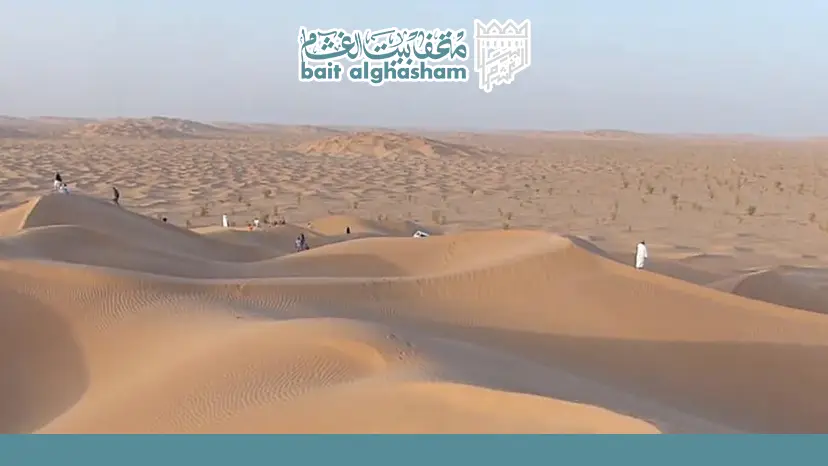
- Best Light Windows: Sunrise and sunset (golden hour) create sharp contrast, casting long dark shadows across dune ridges and turning the sand a deep reddish-orange hue.
- Protecting Gear from Fine Sand: The micro-fine silica sand of Wahiba can easily damage camera lenses and sensor housings. Avoid changing camera lenses outdoors, keep electronics sealed in dry bags during windy spells, and use protective UV filters.
Comprehensive Travel Itineraries
Selecting multi-day Oman tour packages allows travelers to combine wildlife reserves, mountain treks, and coastal heritage into one seamless and unforgettable trip.
Frequently Asked Questions About Sharqiya Sands (Wahiba Sands)
Where are the Wahiba Sands located?
The Wahiba Sands (Sharqiya Sands) are located in eastern Oman within the Ash Sharqiyah Governorates, roughly 200 kilometers south of Muscat, with primary access through the gateway town of Biddiyyah.
What is the best time to visit the desert?
The best time to visit is during the cooler winter months from October to April, when daytime temperatures are pleasant and night conditions are perfect for camping.
Can visitors stay overnight in Bedouin camps?
Yes, visitors can stay overnight in a variety of Bedouin-style desert camps ranging from basic rustic tents to luxury eco-resorts featuring full amenities and traditional Omani hospitality.