
Discovering rustaq tourist places reveals ancient forts and dramatic wadis, significantly boosting tourism in Oman with its unique blend of heritage and nature.
Best tourist places in Rustaq for nature lovers
Wadi Al Hoqain
- Situated roughly 1.5 hours northwest of the user’s starting point in the Al Batinah North Governorate.
- Celebrated globally for its striking blue pools and a cascading waterfall that flows beautifully all year round.
- Serves as a perfect location for a refreshing swim and enjoying a picnic beneath the shade of date palms.
- Offers an unparalleled opportunity for unwinding amidst the untouched beauty of nature Oman.
Snake Canyon
- A premier destination designed specifically for thrill-seekers and advanced outdoor adventurers.
- Features a deep, narrow gorge carved dramatically into the towering limestone Hajar Mountains.
- Highly regarded as a prime location for exciting activities like abseiling and challenging hikes.
- Provides thrilling opportunities for swimming through the rugged and narrow canyon paths.
Al Kasfah Hot Springs
- A remarkable natural feature situated conveniently close to the bustling center of Rustaq.
- These therapeutic, sulfur-rich hot springs Oman emerge from the ground at elevated temperatures.
- Flows naturally to feed nearby traditional water channels (aflaj) and designated bathing pools.
- Set against a stunning, picturesque backdrop combining arid desert and towering mountains.
Wadi Bani Awf Scenic Drive
- Ideal for travelers who appreciate breathtaking landscapes and intense off-road driving experiences.
- This demanding mountain pass weaves from Rustaq through awe-inspiring canyons and profound valleys.
- Ultimately leads explorers to the famous terraced mountain farming village of Bald Sayt.
- Navigating these dramatic, steep inclines and rocky trails strictly necessitates the use of a 4WD vehicle.
Wajmah Village
- Nestled exceptionally high up in the mountains directly overlooking the Rustaq region.
- This isolated village provides spectacular vistas of the surrounding rugged mountain ridges.
- Showcases brilliant examples of traditional terraced agriculture built into the cliff sides.
- Offers noticeably cooler temperatures associated with higher altitudes, providing relief from the heat.
How to plan a trip to Rustaq
Essential Trip Logistics
- Renting a 4WD vehicle is absolutely necessary to access top rustaq tourist places safely.
- While sedans can handle the town center, reaching prime natural attractions requires high clearance capabilities.
- Planning your travel between October and April is highly recommended for the most optimal weather conditions.
- During winter, temperatures are pleasant, ranging from 20°C to 30°C, which is ideal for comfortable hiking.
- Conversely, summer temperatures frequently soar above 40°C, making outdoor activities potentially dangerous.
- Consider staying in traditional hotels within Rustaq town or in Muscat, which is about a 1.5-hour drive away.
Recommended 2-Day Itinerary
- Begin your first morning early at the hot springs to relax before the intense heat of midday sets in.
- Drive north in the afternoon to swim in the enduring freshwater pools and picnic by the waterfalls.
- Head back to the city center in the evening to tour the historic fort and purchase local supplies.
- Journey into Wadi Bani Awf on day two to witness the impressive, steep cliffs of Snake Canyon.
- Proceed up the demanding mountain track later that afternoon to reach the beautiful farming terraces of Bald Sayt.
Safety & Driving Tips
- It is vital to never enter narrow wadis if rain is in the forecast, as flash floods pose extreme danger.
- Ensure your gas tank is completely full while in town, as mountain passes lack available fuel stations.
- Wear conservative clothing that adequately covers your shoulders and knees when walking through local communities.
Famous hot springs in Rustaq
Key Features of Ain Al Kasfah
- This is the most celebrated hot spring in Rustaq Oman and across the Sultanate.
- It is a must-visit among rustaq tourist places for those seeking wellness and relaxation.
- The spring yields natural, sulfurous water heated by volcanic rock deep underground.
- Sustains a remarkably steady temperature of 45°C (113°F) throughout the entire year.
- Widely recognized as a destination for natural healing, providing relief for joint pain and rheumatism.
- Boasts the absolute largest volume of water output among all the natural springs found in Northern Oman.
- The powerful flow of thermal water acts as the primary irrigation source for extensive palm groves.
Modernized Tourist Amenities
- The location is equipped with fully modernized facilities to accommodate all international and local visitors.
- Includes separate, enclosed indoor swimming pools dedicated to men and women respectively.
- Features open public stream areas specifically designated for wading and relaxing your feet.
- Surrounded by a traditional heritage market, onsite cafes, a restaurant, and a local community mosque.
- Situated approximately 1 kilometer west of the major historical sites and ancient fortresses.
- Local legends state an Abbasid governor failed to destroy the spring due to its immense natural water pressure.
Rustaq Fort historical importance
Capital of a Unified Oman & the Ya’aruba Dynasty
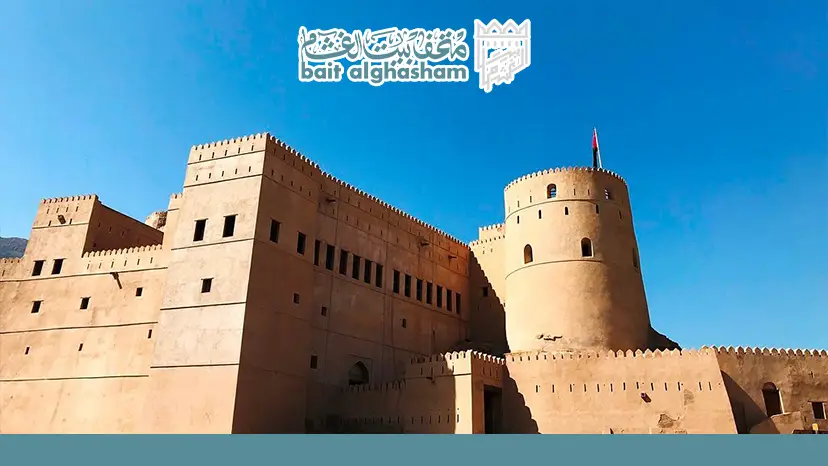
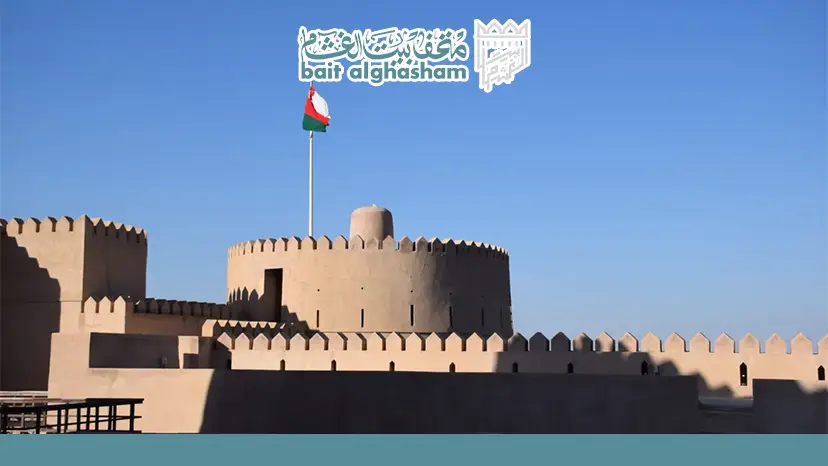
- Stands as one of the most historically significant and architecturally impressive fortresses in the Sultanate.
- Recognized as a prominent landmark and a key attraction among rustaq tourist places.
- Served historically as the strategic birthplace for two major ruling dynasties in the region.
- Experienced its golden age starting in the 17th century under Imam Nasir bin Murshid al-Ya’arubi.
- Used as a strategic stronghold to successfully unite the fractured tribes of Oman’s interior.
- Acted as the military launchpad that ultimately expelled Portuguese colonizers from the northern coastline.
Birthplace of the Ruling Al Busaid Dynasty
- Became a focal point once again under Imam Ahmed bin Said al-Busaidi in the 18th century.
- Functioned efficiently as an administrative base to repel invading Persian forces successfully.
- Established the massive fortress as a lasting symbol of Omani sovereign survival and total independence.
- Represents a monumental advancement in historic military engineering built across three vertical levels.
Pre-Islamic and Persian Foundations
- Constructed upon ancient Sasanian Persian ruins dating back to the 4th to 6th century CE.
- Positioned strategically at the base of the Hajar Mountains to protect vital trade networks.
- Houses the Al Bayadha Mosque, which served as a premier academic and theological sanctuary for centuries.
- Educated and appointed renowned judges, legal scholars, and religious leaders of the Ibadi sect historically.
Things to do in Rustaq Fort historical importanceRustaq
Exploring Architectural Mastery
- Discover the complex defensive layout constructed meticulously across three distinct vertical levels.
- Investigate the Wind Tower, which was ingeniously engineered for climate control and elevated surveillance.
- Visit the Devil’s Tower, built specifically for defensive ammunition storage and skilled archers.
- Observe the architecture of the Red Tower, which functioned historically as the primary command checkpoint.
- Admire the Modern Tower, which was added during subsequent historical expansions of the massive fort.
Discovering Historical Relics
- Immerse yourself in one of the most significant historical places in oman through guided exploration.
- Pay your respects at the sacred tomb and final resting place of Imam Saif bin Sultan al-Ya’arubi.
- Wander through the ancient, shaded corridors that once housed the nation’s top religious scholars.
- Observe the ongoing, extensive restoration efforts managed by the Ministry of Heritage and Tourism.
- Capture stunning photographs of the intricate wooden doors, ancient cannons, and historic weaponry displays.
- Experience the deep reverence of a structure currently recognized on the UNESCO World Heritage Tentative List.
Best time to visit Rustaq
Winter Months (October – April)
- This specific period is universally considered the peak season to explore rustaq tourist places.
- Daytime temperatures typically range between a highly comfortable 22°C to 30°C (71°F – 86°F).
- Evening temperatures can drop to a refreshing 15°C (59°F), making outdoor camping highly enjoyable.
- The mild weather is perfectly suited for long-distance hiking through rugged terrain like Snake Canyon.
- Walking through the unshaded, traditional terraced villages is much safer without the threat of heatstroke.
- Soaking in the 45°C therapeutic hot waters is exceptionally enjoyable during the cooler winter mornings.
Summer Months (May – September)
- Temperatures regularly soar above 40°C to 45°C (104°F – 113°F) during the intense summer months.
- The high temperatures are frequently accompanied by intense, heavy humidity levels in the lower valleys.
- Outdoor exploration and extensive hiking become highly dangerous due to the extreme heat exposure.
- While water continues to flow in the wadis, the midday sun makes being outdoors highly uncomfortable.
Critical Safety Warnings
- You must always check the local weather forecast before entering any deep valleys, regardless of the season.
- Steep limestone mountains cause heavy rainfall to channel rapidly into the narrow, enclosed gorges.
- Severe, life-threatening flash floods can manifest instantly within a matter of mere minutes.
Travel tips for Rustaq visitors
Driving & Transportation
- A 4WD vehicle is strictly required if you plan to venture into the stunning mountain passes.
- Make sure your gas tank is completely full before you start driving up into the remote tracks.
- There are absolutely no fuel stops located in the remote mountain areas of Wadi Bani Awf.
- Avoid driving at night because mountain tracks and wadi roads are narrow, incredibly steep, and unlit.
- Always aim to complete your mountain driving and descend before the sun completely goes down.
Culture, Safety, & Logistics
- The Omani sun is exceptionally strong; always carry significantly more bottled drinking water than expected.
- Dress conservatively out of respect for the local community when visiting public places and markets.
- Wear clothing that covers shoulders and knees, a rule similarly applied in nizwa tourist places.
- Stay on designated walking paths to respect local privacy when visiting picturesque mountain villages.
- Always politely ask for permission before taking any photographs of local residents, particularly women.
- Wear modest swimwear, such as a t-shirt and long shorts, when swimming in public wadi pools.
- Carry physical cash, as smaller local cafes, souq vendors, and mountain guides do not accept cards.
- Consider planning day trips connecting to barka tourist places to maximize your coastal and mountain experiences.
How many days needed in Rustaq
1 Day: The Highlights
- Ideal for visitors taking a quick day trip to efficiently explore rustaq tourist places.
- Provides enough time to see the main cultural landmarks and historical fortresses located in the lowlands.
- Allows for a relaxing, therapeutic soak at the famous hot springs before heading back to your hotel.
- Requires a fast-paced schedule, staying entirely on the well-paved, easily accessible lowland asphalt roads.
2 Days: The Perfect Balance
- Highly recommended to get the ideal mix of historical culture and intense mountain adventure.
- Includes all the historic sites from day one, plus a full 4WD mountain excursion experience.
- Provides ample time for a scenic drive to the terraced villages and a refreshing wadi swim.
- Requires booking a comfortable overnight stay in the town center or a traditional mountain guesthouse.
3+ Days: The Explorer
- Best suited for avid outdoor enthusiasts comparing intense trekking options to tourist places in sohar.
- Adds a dedicated, full-day guided canyoneering expedition specifically through the deep sections of the gorge.
- Provides the necessary time for long-distance, high-exertion mountain trekking up towards isolated upland villages.
Frequently Asked Questions about rustaq tourist places
What is Rustaq famous for?
Rustaq is primarily famous for its monumental historical significance, featuring the imposing Rustaq Fort, and its breathtaking natural landscapes, which include therapeutic hot springs and rugged wadis.
Best time to visit Rustaq?
The ideal time to visit is during the winter months, from October to April. The weather is pleasantly cool, making it perfect for hiking, wadi swimming, and exploring historical sites safely.
How many days needed?
A two-day trip is highly recommended. This allows you to dedicate one day to exploring the historical sites in the town center and a second day for off-road mountain excursions.
Is Rustaq worth visiting?
Absolutely. It offers a truly unique blend of Oman’s rich, ancient history and dramatic, untouched natural beauty, making it a mandatory destination for both nature lovers and history enthusiasts.
Read More in Arabic: الجبل الأخضر في عمان
Read More in Arabic: سوق نزوى اليوم
Read More in Arabic: المنتزه صلاله