
Bait Al Baranda Museum stands out among the most prominent Oman museums in Muscat. Discover this cultural gem and explore the rich history of the Sultanate.
Bait Al Baranda Museum
The Bait Al Baranda Museum, which translates to “The House of the Veranda,” is one of Muscat’s most prominent cultural attractions. Housed in a beautifully restored early 20th-century residence, the museum acts as a dynamic storyteller of the city’s past. Unlike traditional, static galleries, it utilizes interactive displays, imaginative models, and artistic installations to bring Omani history to life.
It serves as a perfect introductory point for international tourists seeking a comprehensive understanding of Oman’s cultural fabric.
Location of Bait Al Baranda Museum in Muscat
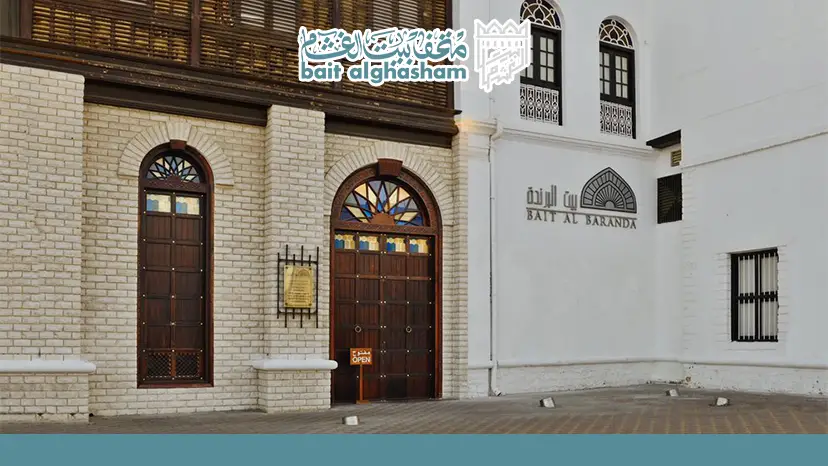
Finding the exact bait al baranda museum location is quite easy and convenient for travelers. The museum is strategically situated in Block 112 of Muttrah, Muscat’s historic, bustling port district. Positioned perfectly on Al Mina Street (Port Street), it sits just a short, scenic walking distance from both the iconic Muttrah Souq and the bustling Muttrah Fish Market.
Its prime location directly overlooks the picturesque waterfront promenade (the Muttrah Corniche), making it effortlessly accessible via taxi or public transport, and it is located roughly a 25-minute drive from Muscat International Airport. This centralized position makes it an ideal anchor stop during a day of sightseeing in old Muscat, allowing visitors to seamlessly combine a morning tour of the museum’s exhibitions with an afternoon spent exploring nearby historical landmarks, such as the towering Muttrah Fort and the historic Al Alam Palace.
If you want to explore more historic homes turned into cultural hubs nearby, check out our comprehensive guide to Bait Al Zubair Museum, located just a short drive away in old Muscat.
Concept and Purpose of Bait Al Baranda Museum
The core concept behind Bait Al Baranda Museum Muscat is to present the rich, multifaceted history of the capital city in a deeply engaging, highly accessible, and interactive educational format. Officially inaugurated in late 2006 under the auspices of the Muscat Municipality, the museum fulfills several primary purposes and cultural goals:
- Preserving Geological and Historical Heritage: The museum serves as a dedicated repository to document and showcase Muscat’s unique geological formation, ancient human settlements, and maritime history through a localized lens, transforming raw historical data into a continuous visual narrative.
- Bridging the Generational Gap: Operating under the philosophy of “history in motion,” it acts as an active educational bridge. It connects the younger Omani generation with their ancestors’ achievements, reinforcing national identity and pride through interactive learning.
- Educating International Audiences: It offers foreign tourists a comprehensive, easy-to-understand introduction to Oman’s culture. It highlights the pivotal turning points, ancient global trade routes, and diverse cultural exchanges that shaped Muscat into a peaceful, cosmopolitan capital.
- Promoting Interactive Curation: Moving away from traditional, static museum displays, its purpose is to pioneer multimedia-driven storytelling in the region. By utilizing 3D models, digital timelines, and artistic installations, it ensures that history is experienced rather than just viewed.
Architecture and Design of Bait Al Baranda Museum
- The Signature Baranda (Veranda): The museum’s absolute defining feature is its beautiful baranda (the local term for veranda) stretching across the first floor. This architectural element offers a nostalgic glimpse into old residential coastal living, where families gathered to enjoy the cooling sea breezes coming off the Muttrah harbor.
- Cultural Blend of Design: The building reflects a seamless fusion of traditional Omani defensive and residential architecture blended with subtle foreign influences. The elegant arches and decorative elements display distinct Indian architectural styles, which were highly popular among elite merchants in coastal trading hubs during that era.
- Authentic Material Preservation: During its meticulous restoration by heritage experts, great care was taken to protect the building’s structural integrity. The original thick, climate-regulating mud-and-stone walls, traditional wooden ceiling beams, and classic shuttered windows were all carefully preserved using authentic local materials.
- Seamless Modern Integration: While the exterior retains its classic 20th-century charm, the interior was subtly re-engineered. Modern elements were integrated to support state-of-the-art exhibition technologies, climate-control systems to protect artifacts, and specialized lighting, proving that historic preservation can perfectly coexist with modern functionality.
Looking for a grander experience? Discover how Oman uses cutting-edge technology to tell its national story on a massive scale in our feature on the majestic Oman Across Ages Museum in Manah.
Exhibits and Collections at Bait Al Baranda Museum
The exhibits at the museum are organized chronologically and thematically across two floors. museum visit allows you to explore diverse collections, including:
- The Geological Gallery: Showcasing the unique tectonic plate movements that formed Muscat’s dramatic jagged mountains, alongside ancient fossil discoveries.
- The Maritime Collection: Highlighting Oman’s legendary seafaring history, ancient shipbuilding techniques, and its historic trade routes stretching to East Africa and Asia.
- The Historic Documents & Maps: Displaying old European cartography, Portuguese colonial records, and rare treaties that document Muscat’s strategic global importance over the centuries.
What You Will Learn at Bait Al Baranda Museum
The museum visit is designed to be an educational journey through time, ensuring visitors walk away with a profound, multi-dimensional understanding of Oman’s critical role in regional and global history. By exploring the curated timelines, you will learn about:
- Prehistoric Life and Ancient Geology:
Discover the fascinating prehistoric landscape of the Arabian Peninsula, highlighted by the incredible discovery of dinosaur bones and fossils in the Al Khoudh area of Muscat. You will learn how these remnants, dating back over 65 million years to the Late Cretaceous period, provide vital clues about the region’s ancient tropical ecosystems and dramatic geological shifts.
- The Dawn of Islam and Spiritual Transformation:
Explore the historical transition of Oman as it peacefully embraced Islam during the lifetime of the Prophet Muhammad. The exhibits detail how this spiritual turning point catalyzed a subsequent golden age, transforming Omani seafarers into leading maritime traders, scholars, and explorers who connected the Islamic world with East Africa, India, and China.
- The Portuguese Era and National Liberation:
Gain deep insights into the tumultuous 16th and 17th centuries, a period marked by intense European colonial ambitions in the Indian Ocean. You will learn how Muscat’s strategic port fell under Portuguese occupation, the architectural legacy they left behind via coastal fortifications, and the heroic resistance led by the Ya’aruba Dynasty that ultimately liberated the city in 1650, establishing Oman as a formidable naval power.
- The Rise of the Maritime Empire:
Delve into the glorious era of the Omani Empire during the 18th and 19th centuries under the Al Busaidi Dynasty. The museum masterfully illustrates how Muscat controlled vital maritime choke points, established dual capitals in Muscat and Zanzibar, and fostered flourishing trade networks that exchanged spices, textiles, and culture across continents.
- The Modern Renaissance and Future Vision:
Trace the rapid, inspiring transformation of the capital city from a secluded medieval port into a thriving, sophisticated global metropolis. This section highlights the foundational milestones of the modern Omani Renaissance—focusing on infrastructure, education, and heritage preservation—while introducing the nation’s contemporary socioeconomic vision for a sustainable future.
To dive deeper into the defensive history of the capital and see the ancient walls that once protected the city, don’t miss our review of the Muscat Gate Museum.
Visitor Experience at Bait Al Baranda Museum
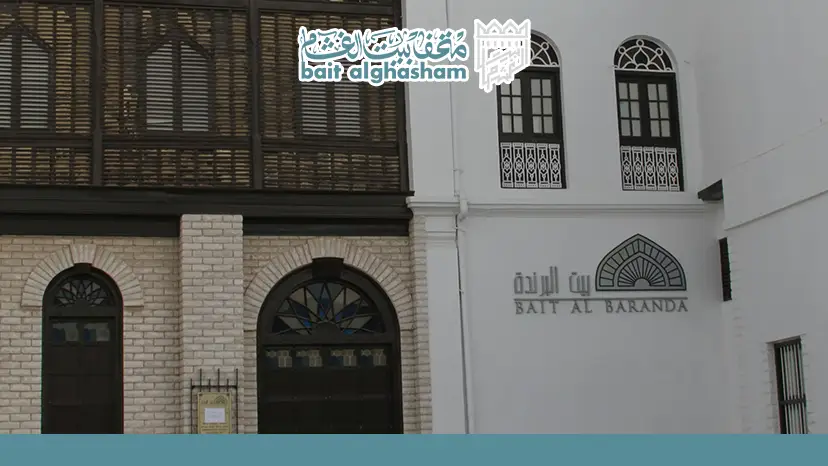
The visitor experience at Bait Al Baranda Museum is highly rated for its interactive nature. Rather than just reading text plaques, guests can engage with multimedia touchscreens, listen to audio guides, and view detailed 3D dioramas. The intimate size of the museum ensures a relaxed, unhurried tour, taking about 1 to 1.5 hours to thoroughly explore. It is highly family-friendly, offering visual timelines that keep younger visitors engaged and entertained while learning.
Cultural and Educational Importance of Bait Al Baranda Museum
Beyond its popularity as a primary tourist attraction, Bait Al Baranda Museum Muscat plays a vital and active role in shaping the capital’s contemporary educational landscape. It functions as a dynamic community center and a living archive, serving the Sultanate through several key initiatives:
- A Living Hub for Fine Arts and Local Talent: The museum serves as an essential platform for contemporary cultural expression by regularly hosting temporary art exhibitions, photography galleries, and historical displays. It gives local Omani artists, researchers, and historians a prestigious venue to showcase their work, effectively bridging the gap between traditional heritage and modern creativity.
- Interactive Educational Outreach and School Tours: Acting as an extension of the classroom, the museum is a cornerstone for local schools and academic institutions. Through meticulously organized school tours, interactive treasure hunts, and tailored educational programs, it provides students with a hands-on, memorable understanding of their nation’s history, moving past abstract textbook concepts.
- Preservation of Intangible Omani Heritage: The institution actively works to keep the community’s collective memory alive by hosting specialized cultural workshops, lecture series, and traditional craft demonstrations. These initiatives focus on preserving intangible heritage—such as folklore, maritime storytelling, and traditional Omani hospitality practices—ensuring these vital cultural customs are successfully passed down to future generations.
- Fostering Global Cross-Cultural Dialogue: By translating complex historical narratives into universally accessible, multimedia-driven stories, the museum acts as a cultural ambassador. It fosters deep cross-cultural dialogue and mutual respect between international tourists and the local community, strengthening Oman’s global reputation as a welcoming nation rooted in peace, tolerance, and deep historical awareness.
Travel Tip: Planning to extend your heritage journey beyond the capital? Explore the rich maritime and frankincense history of the southern region by visiting the Salalah Museum.
Best Time to Visit Bait Al Baranda Museum
To maximize your enjoyment, the best time to plan your bait al baranda museum visit is during Muscat’s cooler winter months, from October to March, when the weather is ideal for exploring the surrounding Muttrah district on foot.
Regarding daily timing, visiting in the morning (around 9:00 AM) or late afternoon (around 4:00 PM) allows you to avoid the midday heat and effortlessly transition your trip into a beautiful evening walk along the Muttrah Corniche.
Entry Fees and Visiting Information
Before heading out to the bait al baranda museum location, here is some essential visiting information:
- Operating Hours: Usually open from Saturday to Thursday, from 9:00 AM to 1:00 PM, and from 4:00 PM to 6:00 PM (Closed on Fridays and public holidays).
- Entry Fees: Nominal fees are charged to maintain the facilities, typically around 1 OMR for adult tourists, with discounted rates for children and student groups.
- Facilities: The museum is fully air-conditioned, offers clean public restrooms, and features a small gift corner where you can buy books and cultural souvenirs.
Bait Al Baranda Museum and Cultural Tourism in Muscat
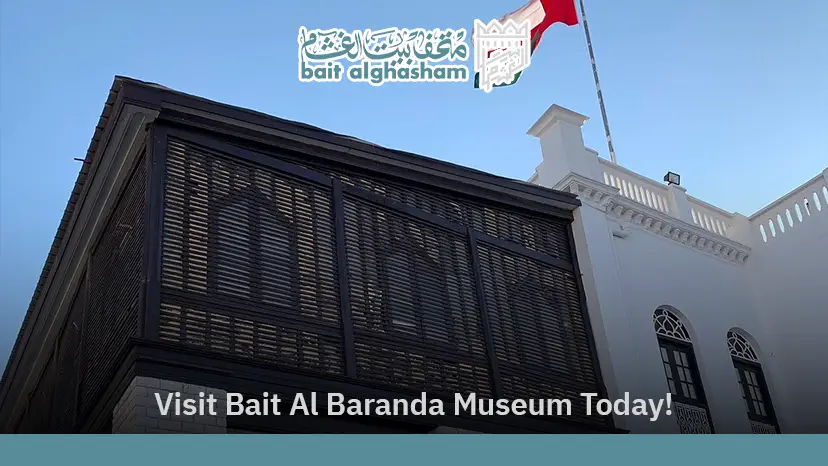
Today, the Bait Al Baranda Museum plays a pivotal, transformative role in driving the growth of sustainable cultural tourism across the capital. As modern global travelers increasingly move away from generic luxury resorts in search of authentic, heritage-driven, and meaningful experiences, this museum serves as the ultimate cultural gateway to the Sultanate, contributing to the tourism landscape in several major ways:
- The Perfect Analytical Introduction to Muscat: For international visitors, a bait al baranda museum visit acts as a crucial conceptual preface. It provides the historical context needed to truly appreciate and understand the grander monuments they will encounter later in their journey, such as the Sultan Qaboos Grand Mosque, the Royal Opera House Muscat, and the ancient forts of Muttrah.
- Supporting Oman’s National Tourism Strategy: The museum aligns perfectly with Oman’s Vision 2040 socioeconomic goals, which place a heavy emphasis on preserving national identity and leveraging cultural heritage to diversify the economy. By attracting high-value, culturally conscious travelers, the institution helps stimulate the local economy in the surrounding Muttrah district, supporting traditional markets and local artisans.
- Elevating Muscat as a Global Cultural Hub: By masterfully showcasing the true essence of Omani resilience, maritime artistry, and legendary hospitality, the museum actively elevates Muscat’s reputation on the world stage. It proves that the capital is not just a transit destination, but a sophisticated, world-class hub of history, arts, and cross-cultural dialogue.
Ultimately, Bait Al Baranda ensures that the rich, epic stories of this historic port city are never lost to modernization. Instead, they are kept alive, vibrant, and accessible—continuing to educate, enchant, and inspire travelers from all corners of the globe for generations to come.
Frequently Asked Questions About Bait Al Baranda Museum
Where is Bait Al Baranda Museum located?
The Bait Al Baranda Museum location is in the heart of Muttrah, Muscat’s historic port district. It is situated on Al Mina Street (Port Street), just a short, scenic walking distance from the famous Muttrah Souq and the waterfront Corniche. It is roughly a 25-minute drive from Muscat International Airport.
What is Bait Al Baranda Museum known for?
The museum is best known for its innovative, multimedia-driven storytelling that traces the evolution of Muscat from its prehistoric geological formations to the modern day. It is also highly celebrated for its unique 1930s architecture, which features a beautiful baranda (veranda) blending traditional Omani design with historic Indian merchant influences.
What can you see inside Bait Al Baranda Museum?
Inside the museum, visitors can explore a diverse array of interactive exhibits spread across two floors, including:
- Real dinosaur fossils and bones discovered in the Al Khoudh area of Muscat.
- Detailed historical maps, Portuguese colonial records, and ancient naval trade documents.
- Interactive 3D models and dioramas detailing Oman’s legendary maritime history and traditional shipbuilding.
- Temporary contemporary art and photography exhibitions by local Omani artists.
Plan Your Museum Tour in Muscat
Bait Al Baranda Museum is an ideal stop for travellers exploring
tourism in Muscat
.
Its location near Muttrah Souq, the Fish Market, and Muttrah Corniche makes it easy to combine history, culture, shopping, and waterfront views in one itinerary.
Visitors can find directions through
Bait Al Baranda Museum on Google Maps
.Travellers interested in discovering more
Oman museums
can continue their cultural journey at the
Natural History Museum in Muscat
.
To experience traditional architecture and historic Omani family life beyond the capital, visitors can also
visit Bait Al Ghasham Museum
in Wadi Al Maawil and explore the available
visit packages in Oman
for a broader heritage tour.
Is Bait Al Baranda Museum worth visiting?
Yes, a bait al baranda museum visit is absolutely worth it, especially as an introductory stop on your Muscat itinerary. Its intimate size allows you to absorb over 65 million years of history in an engaging, non-overwhelming way (usually taking about 1 hour). It is highly interactive, fully air-conditioned, family-friendly, and offers an incredibly affordable way to understand the true cultural roots of Oman.
What are the opening hours of Bait Al Baranda Museum?
The museum is generally open to visitors from Saturday to Thursday, operating in two daily shifts: from 9:00 AM to 1:00 PM in the morning, and from 4:00 PM to 6:00 PM in the afternoon. Please note that the museum is closed on Fridays and major public holidays.
Read More in Arabic: اماكن لعب للاطفال في عمان
Read More in Arabic: مكان سياحي في عمان
Read More in Arabic: السياحة في ظفار
Read more: bbq allowed beaches near me
Read more: beach resort salalah
Read more: hilton resort in salalah
Read more: salalah rotana resort location
Read More in Arabic: سوق صلالة