
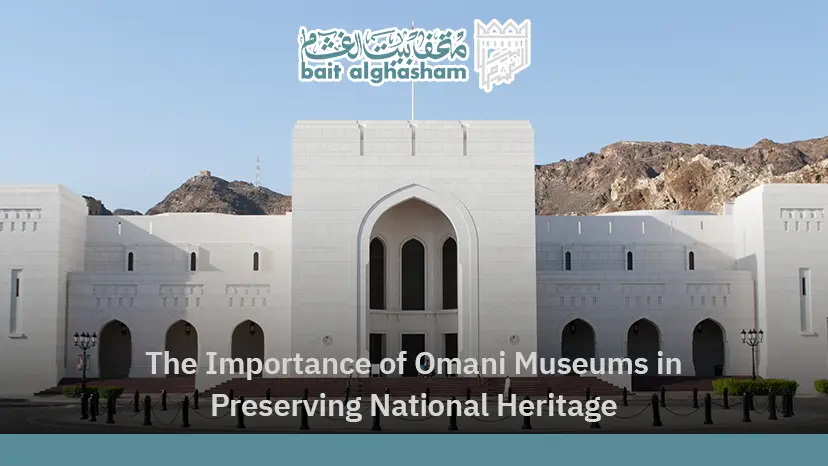
Omani Museums play a vital role in safeguarding the nation’s profound history and cultural identity for future generations.
They act as living bridges connecting the past to the present by expertly restoring ancient artifacts, rare manuscripts, and traditional weapons.
Through interactive digital archiving and live simulations of inherited crafts, these institutions ensure that Oman’s rich maritime legacy, architectural genius, and deep-rooted societal values remain vibrant and protected against time.
Why Omani Museums Are Worth Visiting
These institutions offer an exceptional cultural experience that blends deep-rooted history with modern displays. They act as a vivid window into the details of Omani culture and its extended relationship with human civilizations.
Preserving Architectural and Living Memory
Museums like Bait Al Zubair Museum and Bait Al Safah preserve the structural integrity of traditional Omani homes.
This allows visitors to walk through authentic Majlis spaces and understand the engineering of privacy and natural cooling.
They also revive daily crafts, offering live simulations of pottery making and rose-water distillation.
You can also experience authentic Omani coffee preparation using inherited methods.
Integrating Heritage with Modern Technology
The National Museum represents a global institution combining rare artifacts with interactive display systems.
It features digital screens that clearly explain Oman’s maritime and political history.
The Oman Across Ages Museum offers a stunning visual and audio journey.
It takes visitors from the geological past to Oman’s modern renaissance.
Documenting Human Legacy and Trade
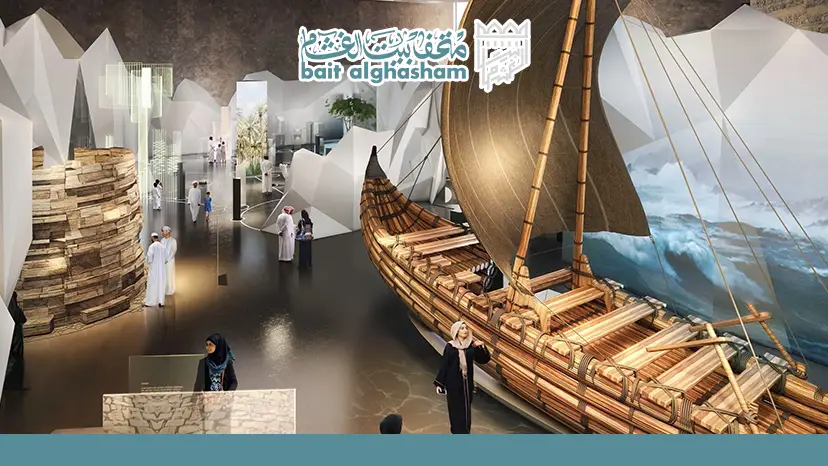
These institutions feature complete halls dedicated to Omani maritime history.
They reveal how traditional ships connected trade routes between China, India, and East Africa.
They also house unique museum collections, including rare traditional weapons and silver jewelry.
Visitors can also discover ancient manuscripts that document Omani thought and the Sultanate’s rich history.
The Best Omani Museums to Explore
The Sultanate hosts a selection of the finest museums in Oman, strategically distributed to cover the nation’s history. Here are some of the top historical museums to visit:
Major National Institutions
Oman Across Ages Museum, Manah: Features a futuristic architectural design inspired by the Hajar Mountains.
It takes visitors on an interactive digital journey through geological and historical eras.
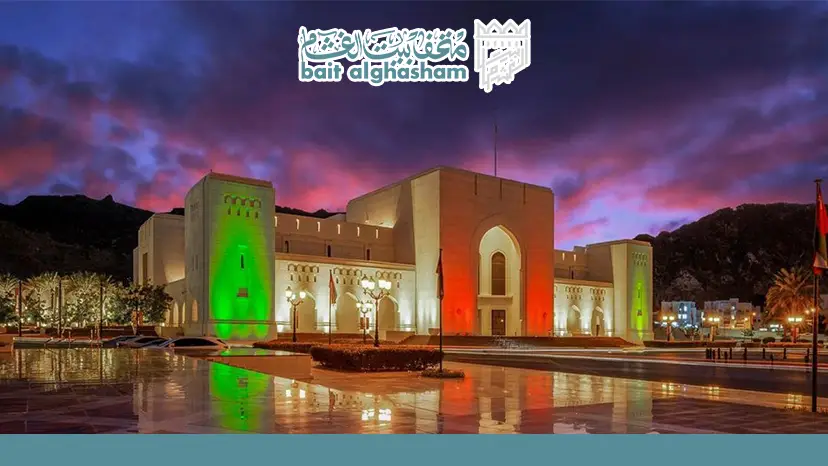
The National Museum, Muscat: The most prominent cultural landmark facing Al Alam Palace.
It houses 14 galleries with thousands of unique artifacts, highlighted by its Maritime History Gallery.
Heritage and Architectural Museums
Bait Al Zubair, Muscat: A private cultural institution located in a meticulously restored historic home.
It displays the Zubair family’s personal collections of traditional daggers, weapons, and silver jewelry.
Bait Al Safah, Al Hamra: Classified among the finest heritage museums and located inside a centuries-old mud house.
Local residents simulate ancient daily activities such as wool spinning and grain milling.
Ghalya’s Museum of Modern Art, Muttrah: Documents the transition of the Omani home between the 1950s and 1970s.
Visitors can also explore Bait Al Ghasham Museum, a restored historic house that presents traditional Omani architecture, household life, and cultural heritage.
Specialized and Regional Museums
The Museum of the Frankincense Land is located in the UNESCO-listed Al Baleed Archaeological Park in Salalah.
It documents the global frankincense trade and Omani maritime history through detailed ship models and archaeological displays.
Sultan’s Armed Forces Museum, Muscat: Located inside the historic Bait Al Falaj Fort, built in 1845.
It presents Omani military history and the evolution of weapons across different eras.
What You Can Learn at Omani Museums
Cultural museums in Oman provide profound educational experiences that go beyond merely viewing artifacts. They give visitors comprehensive knowledge about the events, traditions, and innovations that shaped Oman’s cultural heritage.
Architectural Genius and Environmental Sustainability
Visitors can learn how Omanis developed smart cooling solutions to withstand harsh desert climates.
Traditional buildings used thick mud walls, Mashrabiya screens, and central courtyards to reduce indoor temperatures and expel hot air.
Museums also provide detailed models explaining the UNESCO-listed Aflaj irrigation system.
Glories of Navigation and Global Trade
Discover traditional wooden shipbuilding techniques used to create vessels such as the Ghanjah and Sambuq.
Visitors can trace the ancient cultural and commercial networks that connected Oman with China, India, and East Africa.
Value Systems and Social Life
Understand the social customs associated with the Majlis, including serving Omani coffee with the right hand.
Visitors can also learn about traditional methods of self-sufficiency, such as date storage and natural date-syrup extraction.
Geological and Human Evolution
Explore the unique geological formation of Oman and the historical emergence of its mountain ranges.
Discover how natural resources such as copper and frankincense contributed to the development of ancient civilizations, including Magan.
How Omani Museums Preserve National Heritage
These institutions lead extensive efforts in heritage preservation to protect Oman’s national identity. They use scientific strategies and modern technologies to ensure that historical materials survive for future generations.
Scientific Restoration and Academic Documentation
Advanced conservation laboratories restore rare manuscripts, traditional weapons, textiles, and other sensitive artifacts.
Specialized conservation techniques are used to preserve the original materials and historical character of each object.
Authorities also digitally document and scan old mud-brick neighborhoods in three dimensions to support accurate restoration.
Transforming Historic Buildings into Living Museums
Historic forts and homes are restored and transformed into sustainable cultural institutions.
They also provide spaces where Omani artisans can demonstrate pottery, weaving, silverwork, and other traditional crafts.
This direct interaction helps inherited skills remain active and relevant.
Digitization and Knowledge Accessibility
Museums establish digital archives for manuscripts and increasingly offer immersive virtual tours.
They also adopt interactive displays to connect younger generations with their historical roots.
This approach provides a highly engaging and contemporary educational experience while supporting archaeological tourism in Oman.
Tips for Visiting Omani Museums
To enjoy a comfortable and enriching cultural experience, follow these practical tips:
Smart Timing and Scheduling
Avoid busy weekday morning hours when some museums may receive school groups.
Evening visiting periods can provide a quieter experience where available.
Allocate at least three to four hours for large institutions such as the Oman Across Ages Museum.
Dress Code and Photography Rules
Respect local culture by wearing modest clothing that covers the shoulders and knees.
General mobile photography may be allowed in some museums, but flash photography is often prohibited near sensitive artifacts.
Always check the displayed instructions, as photography may be restricted in particular galleries.
Reservations and Available Services
Consider booking tickets online during the peak tourism season from October to March.
Ask at reception about multilingual guided tours.
Audio guides may also be available for visitors who prefer a detailed self-guided experience.
FAQs About Omani Museums
Why are museums important in preserving Omani heritage?
They scientifically restore artifacts and manuscripts, preserve historic homes, and document traditional neighborhoods using modern digital technologies.
What can visitors learn in Omani museums?
Visitors can learn about natural cooling techniques, Aflaj irrigation systems, maritime trade routes, traditional shipbuilding, crafts, and Omani social values.
Which museums are considered must-visit destinations in Oman?
Important destinations include the Oman Across Ages Museum, the National Museum, Bait Al Zubair, Bait Al Ghasham Museum, and the Museum of the Frankincense Land.
How do museums promote Omani culture?
They offer live demonstrations of traditional crafts such as pottery, weaving, coffee preparation, and grain milling. They also provide guided tours, workshops, books, and authentic handicrafts.
Are Omani museums suitable for educational visits?
Yes. Modern museums use interactive screens, digital displays, workshops, and specialized guides to make Omani history accessible to students and younger visitors.