
Muscat Gate Museum stands out among Oman museums as a living archive of the Sultanate’s rich past. This iconic landmark bridges ancient Old Muscat and the modern capital.
Location of Muscat Gate Museum in Muscat
The museum is uniquely positioned on Al Saidiya Street, acting as the historic entranceway to Old Muscat. Straddling the road that leads into the old city, this striking structure is situated between the coastal mountains and the sparkling waters of the Gulf of Oman.
Its strategic location makes it highly accessible for tourists exploring neighboring attractions, as it sits just a short distance from the majestic Al Alam Palace, the historic Al Mirani and Al Jalali Forts, and the renowned Bait Al Zubair Museum.
History of Muscat Gate Museum
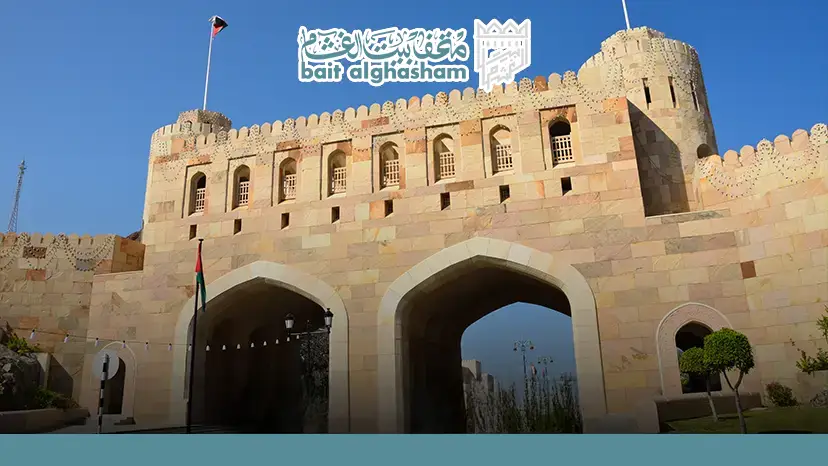
The History of Muscat Gate Museum is deeply intertwined with the defensive requirements of the Sultanate, built upon strategic foundations that date back much further than the modern structure.
- The Original Gates & Defensive Walls: Historically, Old Muscat was a fortified enclave, vulnerable to foreign naval attacks and landward tribal raids. To secure the population, the city was enclosed by thick stone walls punctuated by heavy wooden gates, such as Bab Al Mathaib and Bab Al Kabir. These gates were strictly locked every night at dusk and opened at dawn. Strangers were barred from entering after hours, and residents had to carry lanterns if they walked near the walls after dark.
- Official Opening & Modern Milestone: As Muscat expanded into a modern metropolis during the late 20th-century Renaissance, the old fortifications required a revival that balanced development with heritage. According to authoritative historical records, the Muscat Gate Museum was officially established and opened to the public in January 2001, transforming a historical transit point into an educational monument.
- The Military Governance: Reflecting the site’s original strategic importance, the museum is proudly managed under the auspices of the Omani Ministry of Defence. This unique governance ensures that the preservation of the capital’s military architecture, ancient weaponry, and urban defensive history is maintained with the highest degree of historical accuracy.
- Transition to a Cultural Hub: While the structure effectively functions as a modern road bridge accommodating daily traffic into the old city, its upper floor inside the historic fortress walls was purposefully engineered into a public history museum. Today, it serves as a bridge across time, preserving the chronological narrative of Muscat’s architectural evolution from a secluded port to a global capital.
Architectural Characteristics of Muscat Gate Museum
The building itself is a masterpiece that honors traditional Omani craftsmanship while embracing functional modern engineering. The Historic Muscat Gate showcases several distinct architectural elements:
- Fortified Aesthetic: The exterior resembles a traditional Omani fortress, complete with crenellated battlements, defensive slit windows, and a commanding stone facade that blends seamlessly with the surrounding rugged mountains.
- The Grand Arches: The structure features prominent pointed arches that allow modern traffic to pass beneath, beautifully bridging the gap between historical preservation and urban necessity.
- Interior Elegance: Upon entering the museum via its spiral staircase, visitors are greeted by an atmospheric exhibition hall. Travelers on TripAdvisor often highlight the unique feeling of walking through small corridors built literally inside the historic defensive fortress walls.
Muscat Gate Museum and the History of Muscat
Inside the exhibition halls, the Muscat Gate Museum vividly maps out the extensive timeline of the capital. According to Wikipedia, the museum houses a specialized collection of displays that trace Oman’s history from the Neolithic times to the present day, including:
- Water Springs & Channels:
A number of special exhibits dedicated to Muscat’s historical water springs, ancient wells, and intricate underground channels (Aflaj).
- Urban Landscapes:
Detailed scale models and rare historical photographs showcasing the ancient souqs, traditional houses, mosques, harbours, and surrounding defensive forts.
- The Renaissance Era:
A fascinating visual display of the city’s rapid development post-1970, showing the transformation of infrastructure, ports, and residential sectors without losing the city’s historic charm.
The Importance of Muscat Gate Museum in Cultural Tourism
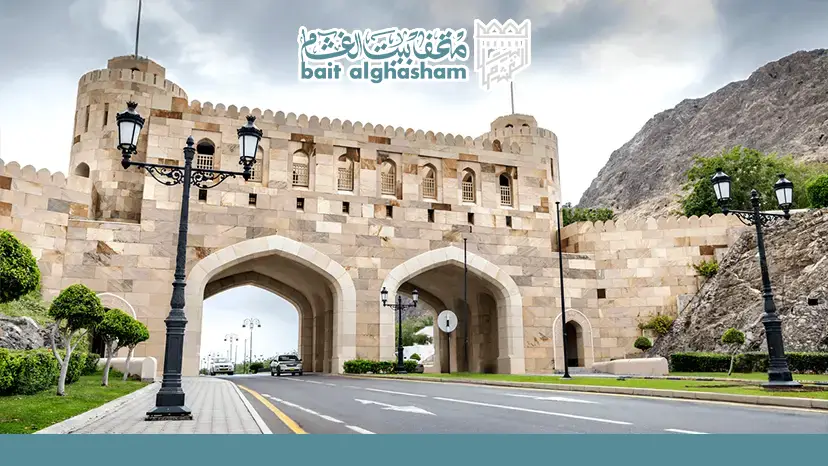
In the landscape of Oman museums, this unique institution holds immense value for heritage tourism. The Importance of Muscat Gate Museum in Cultural Tourism is reflected in several key pillars:
- The Perfect Historical Introduction: It offers international tourists a concise yet comprehensive introductory narrative of the capital, serving as an essential first stop to grasp the city’s identity.
- Essential Context for Travelers: It provides the necessary historical and cultural context before visitors venture deeper into neighboring attractions, such as the ancient alleys of Mutrah Souq, Al Alam Palace, or the grand halls of the National Museum.
- Preserving Living Heritage: By documenting the stories of the city’s ancient defensive walls, historic gates, and traditional water springs, it keeps the authentic cultural heritage of Muscat alive and accessible for global audiences.
- Promoting Architectural Tourism: The site itself, being a beautifully restored fortress over a modern highway, attracts architecture enthusiasts eager to see how Oman seamlessly bridges traditional craftsmanship with modern urban planning.
- Enriching the Educational Tourism Sector: It serves as a vital resource for independent cultural travelers, tour guides, and student groups looking for verified historical blueprints and rare cartography of the Gulf region.
Visitor Experience Inside Muscat Gate Museum
The Visitor Experience Inside Muscat Gate Museum is designed to be highly engaging, educational, and visually stimulating:
- Panoramic Views: One of the main highlights of a visit Muscat Gate Museum trip is the breathtaking view from its large observation windows. Visitors can capture stunning photographs of the historic city walls, the mountain passes, and the modern Mutrah Corniche stretching into the distance.
- Interactive Cartography: The museum features a remarkable collection of rare, ancient maps of Muscat drawn by early European explorers, Portuguese cartographers, and Arab navigators.
- Thematic Displays: Exhibits are clearly categorized with multilingual information panels (Arabic and English), making it incredibly easy for independent travelers to navigate the historical timelines at their own pace.
Opening Hours of Muscat Gate Museum
To ensure a seamless and well-timed trip to Old Muscat, please keep the following official Opening Hours of Muscat Gate Museum in mind when planning your travel itinerary:
- Sunday to Thursday: 8:00 AM – 2:00 PM
- Friday and Saturday: Closed (Weekend in Oman)
Important Visitor Note: Because the museum operates on a morning-only schedule, it is highly recommended to plan your visit early in the day. This allows you to explore the indoor exhibits comfortably and combine it with a walking tour of the nearby Al Alam Palace and historic forts before the afternoon heat.
Please note that operating hours may vary or change during official Omani public holidays, National Day celebrations, and the holy month of Ramadan.
Entrance Fees to Muscat Gate Museum
When planning a budget-friendly yet culturally enriching itinerary through the capital, this historic landmark stands out as an exceptional choice.
- Admission Cost: Free of charge.
- Eligible Visitors: All entry fees are completely waived for everyone, including local citizens, Arab residents, and international tourists.
Traveler Tip: Since there is no ticket requirement or hidden cost, you can seamlessly add this stop to your walking tour of Old Muscat. It serves as a highly economical, air-conditioned haven where you can take a break from the outdoor heat, absorb some fascinating Omani history, and enjoy panoramic views without spending a single Rial.
Why is Muscat Gate Museum Considered One of Muscat’s Most Important Landmarks?
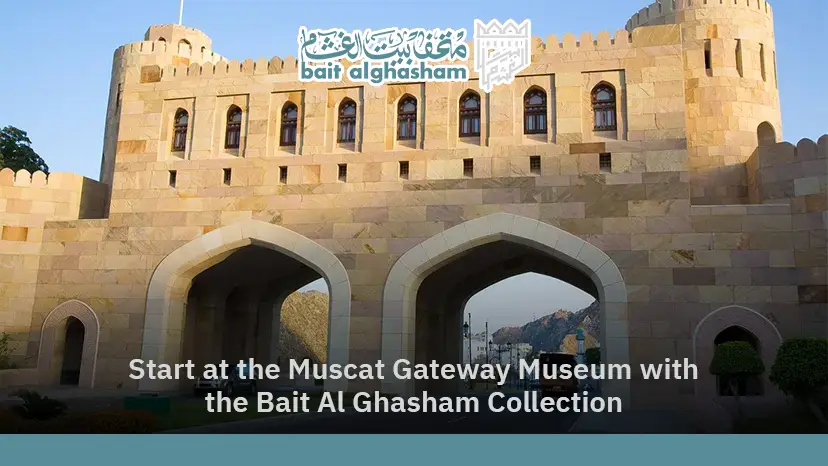
The museum is widely regarded as an indispensable landmark for several key reasons:
- A Symbol of Transition: It literally and figuratively acts as the bridge connecting the ancient history of Old Muscat with the modern prosperity of the capital.
- Architectural Iconography: Its distinct structure over the highway makes it one of the most photographed and recognizable landmarks in the entire Sultanate.
- Educational Authority: It distills thousands of years of architectural, political, and social history into an accessible, digestible format, making it an essential educational pillar for students and researchers alike.
Plan Your Visit to Muscat Gate Museum
Muscat Gate Museum is an excellent starting point for travellers interested in
tourism in Muscat
.
Located on Al Saidiya Street at the entrance to Old Muscat, the museum introduces visitors to the capital’s historical development, traditional defensive walls, ancient water systems, maps, and urban heritage.
You can find the destination easily through
Muscat Gate Museum on Google Maps
and plan your visit early in the day.
Visitors exploring
Oman museums
can include this landmark in a cultural itinerary focused on history, architecture, and Old Muscat.
To continue discovering the Sultanate’s heritage beyond the capital, travellers can explore
archaeological landmarks in Oman
and
visit Bait Al Ghasham Museum
in Wadi Al Maawil.
They can also browse the available
visit packages in Oman
to organise a broader museum and heritage tour.
Frequently Asked Questions About Muscat Gate Museum
Where is the Muscat Gate Museum located?
The museum is located on Al Saidiya Street in Old Muscat, Oman. It is strategically positioned on the coastal road leading into the historic old city, sitting right between the rugged mountains and the Gulf of Oman, just a short distance from the Al Alam Palace.
What is the Muscat Gate Museum?
The museum is a prominent history museum built inside the upper floor of a modern, fortress-style gate structure that spans across a major highway. Opened in 2001 and managed by the Omani Ministry of Defence, it serves as a monument marking the ancient entranceway to the capital.
What does the Muscat Gate Museum contain?
The museum contains a specialized collection of historical displays, including rare ancient maps, detailed scale models of old markets and traditional houses, and exhibits tracing Oman’s history from Neolithic times to the present. It also features specific displays dedicated to Muscat’s historic water springs and irrigation systems (Aflaj).
What is the importance of the Muscat Gate Museum?
The importance of the museum lies in its role as a cultural and historical gateway. It acts as a bridge connecting the ancient history of Old Muscat with its modern Renaissance, preserving the narrative of the city’s urban development, maritime trade, and military defensive systems for global audiences.
Is the Muscat Gate Museum suitable for visitors and tourists?
Yes, absolutely. It is highly suitable for independent travelers, history enthusiasts, and families. The museum provides a quick yet comprehensive introduction to the capital’s heritage, offers bilingual signage (Arabic and English), and features large observation windows with stunning panoramic views of the surrounding mountains and historic city walls.
What are the visiting hours of the Muscat Gate Museum?
The official Opening Hours of museum are from Sunday to Thursday, between 8:00 AM and 2:00 PM. The museum is completely closed on weekends (Friday and Saturday), and timings may vary during public holidays or the holy month of Ramadan.
Read more: al mansor
Read more: ittin view point
Read more: mutrah fort entrance fee
Read More in Arabic: ولاية طاقة موقع
Read more: salalah visiting places
Read More in Arabic: اماكن في مسقط للترفيه
Read More in Arabic: الاماكن السياحية في صحار
Read More in Arabic: منطقة غابة في سلطنة عمان
Read More in Arabic: منطقة البليد
Read More in Arabic: وادي محرم سمائل