
The best places to visit in jabal akhdar boost tourism in the Sultanate of Oman, offering terraced orchards, sweeping limestone gorges, and ancient villages.
Best places to visit in Jabal Akhdar mountain
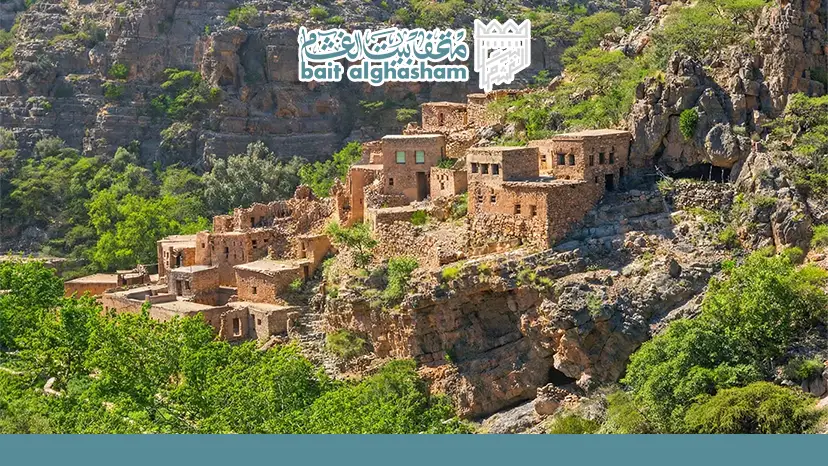
- Wadi Bani Habib: Hike into this lush wadi to explore the atmospheric, abandoned mud-brick village nestled among pomegranate and walnut orchards.
- Diana’s Point: Take in breathtaking, sweeping views of the deep limestone gorges. The lookout is named after the late Princess Diana, who visited the vantage point in 1986.
- The Three Village Walk: This scenic ~4-hour trek guides you through terraced farms, traditional stone houses, and ancient falaj (irrigation) systems connecting the mountain villages of Al Aqur, Al Ayn, and Ash Shirayjah.
- The Suwgra Village: Wander through or book a stay at this spectacular cliffside village that dates back hundreds of years, offering a true glimpse into pre-oil Omani life and standing out among the best historical places in oman.
- Al Hoota Cave: Located near the base of the mountains (about 5 mi from Al Hamra), this massive, 5-kilometer-long cave system features a fascinating underground lake and unique stalactite formations, making it a perfect addition to your list of nizwa tourist places.
- Birkat Al Mouz Ruins: Stop at the foot of the mountain range to explore these striking, crumbling mud-brick ruins and their UNESCO-listed Falaj irrigation systems before ascending the peak.
Why Jabal Akhdar is called the Green Mountain
- Unique Climate and Rainfall: Rising over 2,000 meters above sea level, the area enjoys a Mediterranean-like climate receiving approximately 300 mm of annual rainfall, perfectly sustaining dense shrubs and tree life.
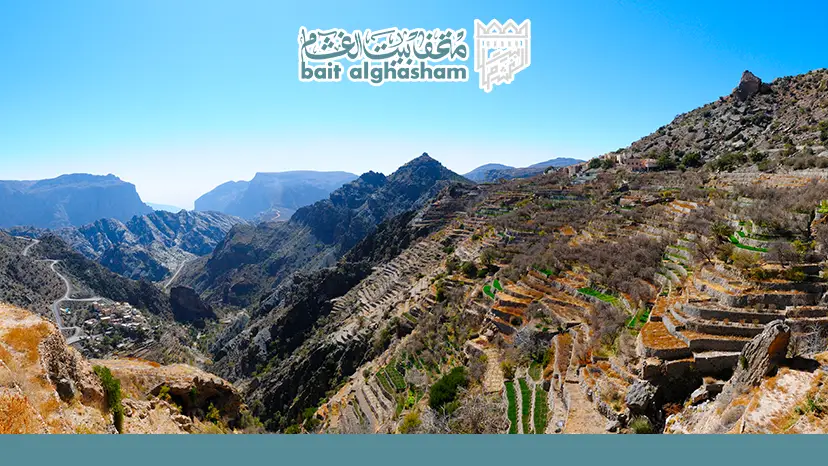
- Artificial Terraced Fields: Local inhabitants ingeniously carved steep cliffs into geometric agricultural terraces, hanging like green carpets against deep canyon walls.
- Traditional Falaj Irrigation: The region’s lushness relies on a brilliant, ancient water system that channels spring and rainwater through precise canals to nourish crops year-round.
- Exceptional Crop Diversity: This fertile environment supports rare regional crops, including mountain pomegranates, peaches, walnuts, apricots, and the famous Damask roses that paint the terraces pink.
Top viewpoints and villages in Jabal Akhdar
Top Panoramic Viewpoints
- Diana’s Viewpoint: Situated 2,000 meters high inside the Anantara Resort, this famous spot offers 360-degree views of deep gorges and is ideal for sunset watching.
- Terraced Fields Viewpoint: Located near the Saiq Plateau, providing direct, flawless views of the suspended green farms, pomegranate orchards, and Damask roses.
- Panoramic Mountain Overlook: A fantastic stop along the ascending road showcasing white settlements perched on rugged peaks.
Historic Mountain Villages
- Al-Sugra: A charming, 450-year-old archaeological village carved entirely into a steep cliffside, featuring a traditional café overlooking the deep valley.
- Al Aqar: A historic starting point for treks, distinguished by traditional stone houses and active water channels.
- Al Ayn: A peaceful settlement renowned for dense pomegranate and rose fields.
- Saiq Village: The vibrant heart of the plateau, famous for large farms that burst with life during harvest seasons, reminiscent of charm found in rustaq tourist places.
Best hiking trails in Jabal Akhdar
Easy to Moderate Trails (Beginners & Families)
- Three Village Walk (W18b): The most famous 4 km route connecting Al Aqar, Al Ayn, and Ash Shirayjah. It takes 2 to 3 hours through paved stone paths and fruit orchards.
- Wadi Bani Habib Trail: A quick 45 to 60-minute trek spanning 2.5 km, featuring a steep concrete descent into walnut and almond groves.
Intermediate Trails (Average Fitness)
- Mirage in the Mountains: A 7 km (4.3-mile) route starting near Alila Hotel, taking roughly 2.5 to 3 hours, offering dramatic edge-of-the-canyon views.
Advanced Trails (Professionals)
- Lost Villages Loop: A grueling 6 km (3.7-mile) circular path plunging into the canyon toward isolated stone ruins, demanding strenuous rock scrambling.
- Wakan to Hadash (W24a/W25): A challenging 9+ km trek taking up to 6 hours, featuring relentless vertical ascents across rugged terrain.
Best time to visit Jabal Akhdar
- Spring (March to April): The absolute best time for witnessing the Damask rose harvest. Visitors can explore traditional rose water distillation factories inside mud houses.
- Summer (July to September): Perfect for escaping intense Gulf heat. The weather remains mildly refreshing during the day. You can attend the vibrant Rummana Festival, hand-pick fresh pomegranates, and enjoy wild camping.
- Winter (October to February): Highly recommended for hiking enthusiasts. Daytime temperatures drop significantly, and nights become severely cold, making it ideal for strenuous outdoor activities without overheating.
- Crucial Access Requirements: Whenever you choose to visit, Royal Oman Police strictly mandate the use of 4×4 (4WD) vehicles to navigate the steep roads safely. Standard cars must be parked at the lower checkpoint.
Travel tips for mountain trips
Clothing and Gear
- Layered Clothing: Utilize a three-layer system consisting of a moisture-wicking base, an insulating fleece middle, and a wind/waterproof outer shell.
- Proper Footwear: Invest in waterproof hiking boots and break them in prior to the trip to prevent painful blisters.
- Navigation Tools: Carry heavy-duty power banks, download offline digital maps, and bring a traditional compass.
Health and Safety
- Acclimatization: Spend a day at medium elevations before ascending to avoid altitude sickness.
- Hydration and Sun Protection: Drink water constantly and apply high SPF sunscreen, as UV rays are intensely amplified at high altitudes.
- Communication: Always inform a reliable contact about your planned route and expected return time.
Weather and Trail Management
- Start Early: Check forecasts and begin ascending in the morning, as dense clouds and storms frequently form by mid-afternoon.
- Trail Etiquette: Never deviate from marked paths, and always yield the right of way to hikers moving uphill.
In conclusion, visiting Jabal Akhdar offers an exceptional journey that seamlessly blends breathtaking nature with authentic Omani history.
To complete your cultural experience and explore the charm of the past, we invite you to add a unique heritage touch to your itinerary by visiting Bait Al Ghasham Museum.
Plan your visit today to discover the magnificent traditional architecture and vibrant history, and live an unforgettable Omani adventure.
Frequently Asked Questions about places to visit in jabal akhdar
Do you need 4×4 for Jabal Akhdar?
Yes, a 4×4 vehicle is strictly mandatory. The Royal Oman Police enforce a checkpoint at the base of the mountain and will turn away standard sedans due to the extreme incline of the roads.
Is Jabal Akhdar safe?
Yes, it is highly safe. The modern roads feature safety barriers and escape lanes. For drivers, the only major requirement is utilizing low-gear engine braking during descents to prevent brake failure.
Best time to visit Jabal Akhdar?
Spring (March-April) is best for roses, Summer (July-September) is ideal for escaping the heat and picking pomegranates, and Winter (October-February) offers excellent cool weather for long hikes.
How many days needed?
Two days (one night) are perfectly sufficient to see the main viewpoints and complete the Three Village Walk. However, three days are recommended for extensive hiking and resort relaxation.
Is it cold in Jabal Akhdar?
Yes. Summer days are pleasantly warm (26-32°C) with cool nights, while Winter brings sharp drops in temperature, often falling below 6°C at night, requiring heavy clothing.
Read More in Arabic: ولاية الحمراء موقع
Read More in Arabic: سوق نزوى عمان