
Prophet Job’s Tomb Salalah (Prophet Job’s Tomb) is a revered spiritual landmark located 27 kilometers northwest of Salalah in the Al Qara Mountains. Set high on a scenic hill, the site houses a small mosque, a domed shrine enclosing the long grave, and a marked footprint attributed to Prophet Job
Where Is Prophet Job’s Tomb Salalah and How Do You Get There?
Located atop the scenic Nabi Ayub Mountain, the tomb is easily accessible from the coastal plain below:
- Distance from Central Salalah: The site sits approximately 25 to 30 kilometers northwest of downtown Salalah, requiring a scenic 30-to-40-minute drive.
- The Mountain Drive: Reached via a well-paved, winding mountain road, the journey offers winding ascents past local camel herds, traditional mountain villages, and dramatic rock formations. A standard sedan handles the drive easily, though extra caution is advised during foggy conditions.
- Signage & Arrival: Clear road signs lead directly to the site, which features dedicated vehicle parking, a small traditional mosque, and a quiet garden complex surrounding the mausoleum.
The Footprint Relic Attributed to Prophet Job
The highlight of a visit to Prophet Job’s Tomb Salalah centers around its sacred artifacts, ancient architecture, and deeply rooted spiritual legends:
The Sacred Mausoleum and Giant Tomb
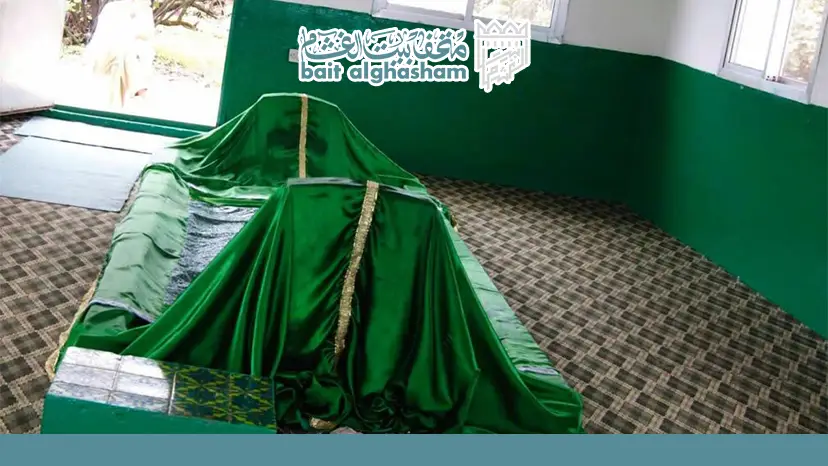
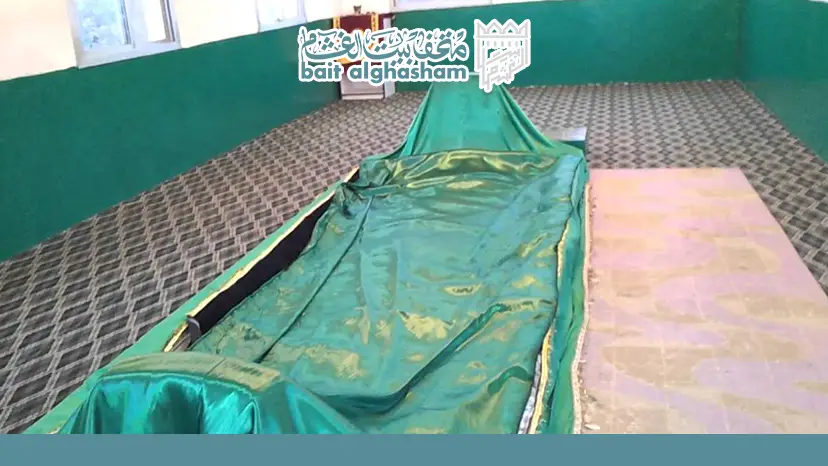
Inside the quiet, green-carpeted sanctuary lies an extraordinarily long burial structure measuring nearly 12 meters (39 feet) in length. Covered in embroidered green and golden velvet cloth, the tomb’s impressive scale reflects an ancient regional tradition of honoring revered biblical and Quranic prophets with grand-scale monuments. The atmospheric room is scented with local Omani frankincense, offering visitors a peaceful setting for quiet contemplation and respect.
The Footprint Relic and Miraculous Spring
Just outside the main shrine building, enclosed within a small concrete dome and protective iron gate, lies a natural rock slab displaying a distinct, deep footprint impression attributed to Prophet Job (Nabi Ayoub). According to local Islamic tradition and oral history, this indentation marks the exact spot where Prophet Job struck his foot against the rock upon divine command, causing a miraculous freshwater spring to gush forth and heal his long-standing afflictions.
Historical Context and Local Tradition
Local caretakers, Islamic scholars, and regional guides provide fascinating historical context regarding the site’s significance across Abrahamic faiths. As a central figure revered for his unwavering patience (Sabr) and spiritual endurance through severe hardship, Prophet Job’s legacy draws pilgrims from across the globe. Visitors can learn about the prophet’s life journey, the archaeological heritage of the Dhofar mountains, and how local Omani communities have preserved this sacred sanctuary for centuries.
Travelers interested in religious heritage can easily pair this trip with a visit to the long burial site at Nabi Umran Tomb in Salalah, located near the city center.
The Mountain Views Surrounding the Site
Standing over 1,000 meters above sea level, the grounds surrounding the shrine offer spectacular natural panoramas:
- The Khareef Transformation: During the monsoon season (July to September), the entire peak transforms into an ethereal green landscape enveloped in rolling sea fog and soft mist, making it one of the most popular viewpoints included in regional Oman tours.
- Panoramas Over Salalah: On clear post-monsoon and winter days, the site provides sweeping, unobstructed views stretching across the mountain plateaus all the way to the turquoise waters of the Arabian Sea.
- Photography Spots: The outer courtyard and adjacent grassy hills serve as serene spots for capturing high-altitude landscapes, rolling mountain cloud layers, and grazing livestock against the sky.
Booking comprehensive Oman tour packages allows visitors to explore historic forts, mountain shrines, and coastal beaches with comfortable private transport and expert local guides.
Tips for a Respectful and Safe Visit to Prophet Job’s Tomb Salalah
Because the shrine is an active place of prayer and pilgrimage, following proper religious visit etiquette ensures a peaceful experience for everyone:
- Modest Dress Code: Visitors must dress conservatively. Men should wear full-length trousers and shirts that cover the shoulders. Women should wear loose-fitting, non-transparent clothing covering arms and legs, along with a headscarf (hijab) prior to entering the tomb or mosque.
- Footwear Etiquette: Shoes must be removed before entering the mausoleum and prayer room areas. Dedicated shoe shelves are provided near the entrance doors.
- Behavior and Photography: Maintain a quiet, respectful demeanor inside the shrine. While photography is generally permitted in the outer courtyards and mountain lookout spots, refrain from photographing worshippers praying inside the mausoleum.
- Fog Driving Caution: If traveling during the Khareef season, drive with low-beam headlights and reduced speeds along the mountain switchbacks, as sudden fog can drastically reduce visibility.
Discover More Cultural and Sacred Attractions
From mountain tombs and frankincense groves to turquoise lagoons, combining these stops covers the most essential places to visit in Salalah during a trip to southern Oman.
The Architecture and Atmosphere of the Shrine
The shrine of Nabi Ayoub combines traditional Omani Islamic design with a peaceful mountain ambience, offering a tranquil sanctuary high above the coastal plains:
- Simple Islamic Architecture: The shrine complex features clean geometric lines, a classic whitewashed dome, and a modest minaret designed to harmonize with the surrounding rural mountain landscape rather than overpower it.
- A Peaceful Interior Sanctuary: Inside the main mausoleum, green carpeting, soft ambient lighting, and the subtle fragrance of burning local Omani frankincense create a solemn, highly reflective environment for prayer and contemplation.
- Harmonious Outdoor Courtyard: A manicured stone-paved courtyard surrounds the shrine, featuring shaded seating benches and traditional Omani stone walls that allow visitors to rest while taking in the fresh mountain air.
- Cultural Preservation: The ongoing maintenance of the complex balances modern structural preservation with traditional Dhofari craftsmanship, ensuring that historical features are protected while welcoming international visitors and local pilgrims alike.
Driving and Weather Conditions in Jabal An-Nabi Ayoub
Navigating the mountain road requires a few basic safety considerations depending on the season:
- Khareef Season Driving (July to September): Heavy monsoon fog and light rain can drastically reduce visibility along the mountain bends. Drivers should use low-beam headlights, maintain low speeds, and watch out for roaming camels crossing the road.
- Clear Season Driving (October to June): During the sunny months, the road is wide, dry, and easy to navigate for standard sedans without requiring a 4WD vehicle.
Combining Your Visit with Nearby Mountain Attractions
Maximize your itinerary in the Dhofar Mountains after visiting Prophet Job’s Tomb Salalah by exploring these nearby cultural and natural landmarks:
- Ayn Jarziz Natural Spring: Located right at the base of Jabal An-Nabi Ayoub, this picturesque natural spring features turquoise freshwater pools, shady eucalyptus groves, and towering limestone cliff faces. It serves as an ideal stop for a short walking tour, a relaxing tea break, or a quiet nature photo stop immediately after descending from the tomb.
- Ittin Cave and Mountain Plateau: Situated nearby along the scenic Ittin Mountain range, this elevated plateau is a favorite destination for both local residents and international travelers. The area offers popular traditional Omani barbecue spots, expansive lookout points with sweeping views over Salalah city and the coastline, and accessible cliffside caves that are easy to explore on foot.
- Jabal Ittin Viewpoints and Local Cafes: Driving along the Ittin ridge connects visitors with local mountain cafes serving fresh camel milk, traditional Omani karak tea, and local grilled meats. Stopping here gives travelers a chance to experience authentic Dhofari mountain hospitality while enjoying the cool, refreshing high-altitude breezes.
Frequently Asked Questions About Prophet Job’s Tomb Salalah
Where is Prophet Job’s Tomb located?
Prophet Job’s Tomb is located atop Jabal An-Nabi Ayoub in the Dhofar Mountains, approximately 25 to 30 kilometers northwest of central Salalah. The site is easily accessible via a well-paved, scenic mountain road (about a 30-to-40-minute drive from the city center).
What is the footprint relic found there?
The footprint relic is a deep indentation preserved in a natural rock slab enclosed outside the main mausoleum. According to local Islamic tradition, it marks the exact spot where Prophet Job (Nabi Ayoub) struck his foot into the ground, causing a miraculous freshwater healing spring to emerge.
Is the site suitable for all visitors?
Yes, the site is open and welcoming to visitors of all backgrounds, faiths, and ages. However, because it is an active religious shrine, all guests must strictly follow religious visit etiquette—including wearing conservative, modest clothing (covering arms and legs, plus a headscarf for women) and removing footwear before entering the mausoleum.
Is there an entrance fee to visit Prophet Job’s Tomb?
No, entrance to the site, mausoleum grounds, and surrounding mountain viewpoints is completely free for all visitors.
Are non-Muslims allowed to enter Prophet Job’s Tomb?
Yes, non-Muslim visitors are welcome to visit the shrine grounds, the footprint relic, and the inner mausoleum, provided they adhere strictly to the modest dress code and remove their shoes before entering.
What is the best time of day to visit the tomb?
Early mornings offer the clearest weather and least fog, ideal for driving and taking panoramic photos. Late afternoons are also pleasant for cooler temperatures and quiet surroundings.