
Located in the lush southern region of Dhofar, the Nabi Umran Tomb Salalah is one of the most prominent spiritual landmarks in the Sultanate of Oman. Renowned as the longest grave in the world, this extraordinary sanctuary attracts pilgrims, history enthusiasts, and curious travelers from across the globe. Set against a serene landscape, the site offers a profound glimpse into the deep-rooted tradition of honoring religious shrines in Dhofar.
Who Is Nabi Umran According to Local Accounts?
The identity of Nabi Umran (Prophet Amram) holds a place of immense respect in local heritage and religious folklore.
- Venerated Figure: According to Islamic traditions and local belief, Nabi Umran is considered the father of Mary (Maryam) and the grandfather of Prophet Jesus (Isa).
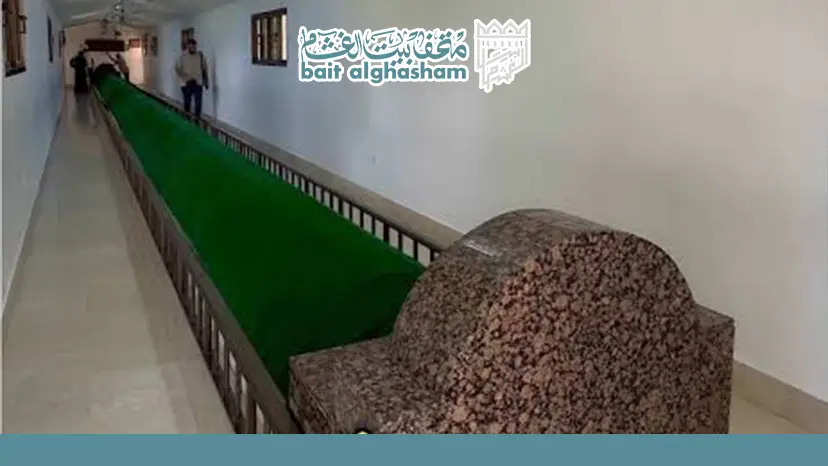
- The Extraordinary Length: The most striking feature of the shrine is the tomb itself, which measures approximately 33 meters (108 feet) long. Local accounts explain that ancient prophets were of immense stature, leading to the exceptional length of the final resting place.
- Cultural Significance: Revered by locals for centuries, the tomb stands as a testament to the ancient Abrahamic traditions that have flourished throughout the Arabian Peninsula.
Where Is Nabi Umran Tomb Salalah and How Do You Get There?
One of the main advantages of visiting this sacred location is its convenience and proximity to central Salalah, making it an excellent starting point for exploring other places to visit in Salalah, from historic landmarks and religious sites to natural attractions along the coast and in the surrounding mountains.
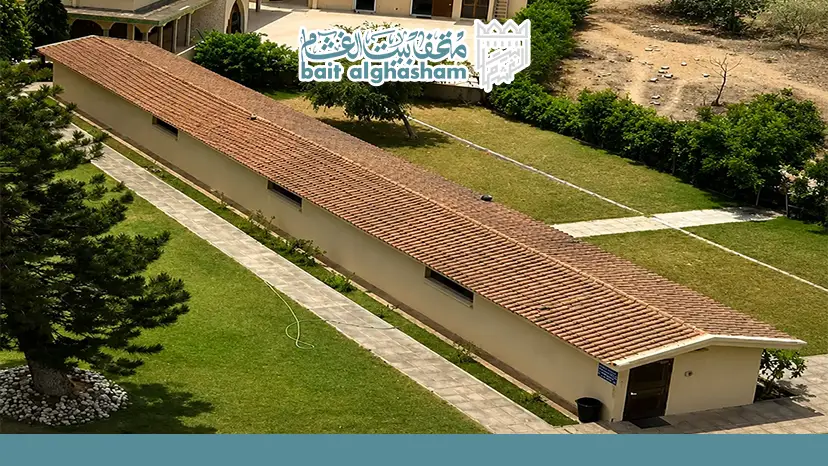
- Location: The shrine is situated right in the heart of downtown Salalah, near the main municipal building (Salalah Municipality) and the central commercial district.
- How to Get There: Because of its central location, reaching the site is straightforward via taxis, ride-hailing apps, or rental vehicles. Fully paved roads lead directly to the site’s dedicated parking lot.
- Accessibility: Unlike many remote mountain shrines, the tomb is easily accessible to visitors of all age groups and physical abilities, requiring no hiking or strenuous walking.
Etiquette for Visiting Religious Sites in Dhofar
When visiting sacred sites in Oman, observing proper decorum and local cultural norms ensures a respectful and welcoming experience:
- Modest Dress Code: Both men and women should wear modest clothing that covers shoulders and knees. Women are encouraged to carry a headscarf to cover their hair upon entering the tomb structure.
- Footwear Etiquette: As with all holy places and mosques in Oman, visitors must remove their shoes at the designated entrance before stepping onto the carpeted area surrounding the tomb.
- Quiet and Respectful Demeanor: The tomb remains an active place of prayer and contemplation. Maintain a quiet tone, avoid loud conversations, and refrain from stepping across or over the tomb enclosure.
- Photography Guidelines: Photography of the exterior and the interior tomb is generally permitted, but always be mindful not to photograph local worshippers without their explicit consent.
Similar Nearby Nabi Umran Tomb Salalah Worth Visiting
Sultanate travelers exploring the spiritual and historical roots of Dhofar can easily combine their visit to Nabi Umran Tomb Salalah with Oman tours that include a half-day or full-day exploration of other significant religious and historical landmarks nearby:
- Nabi Ayoub Tomb (Prophet Job): Perched high on the rolling, mist-shrouded hills of Jabal Ittin, this revered shrine offers magnificent sweeping views of the coastal plain, making Prophet Job’s Tomb in Salalah a memorable stop for travelers exploring the religious and historical landmarks of Dhofar.. The site houses the tomb of Prophet Job alongside a preserved footprint embedded in stone, surrounded by scenic picnic spots that come alive during the Khareef (monsoon) season.
- Nabi Hud Tomb: Located further east in the Dhofar region near Taqah, this peaceful sanctuary honors another ancient Islamic prophet deeply embedded in southern Omani lore and desert history, attracting visitors seeking quiet contemplation.
- Nabi Saleh Tomb: Situated in the coastal town of Mirbat, this traditional whitewashed tomb commemorates Prophet Saleh and features classical Dhofari architectural elements, set against the backdrop of an ancient maritime trading hub.
- Al Balid Archaeological Park & The Museum of the Frankincense Land: Located just a few minutes drive from Nabi Umran’s shrine in central Salalah, this UNESCO World Heritage Site lets you walk through the excavated ruins of ancient Zafar, the medieval port city that once linked Dhofar’s incense trade to the rest of the ancient world.
While discovering the sacred shrines of Salalah, you can book Oman tour options that combine archaeological landmarks, traditional architecture, and cultural attractions across the Sultanate for an authentic and well-organized journey.
Ready to experience the full story of Omani heritage?
From the sacred shrines of Salalah to the architectural treasures of South Al Batinah, step inside the historic halls and lush palm gardens of Discover Bait Al Ghasham. Book your tour package today to experience authentic Omani history and culture up close!
Frequently Asked Questions About Nabi Umran Tomb
Where is Nabi Umran Tomb located?
Nabi Umran Tomb is conveniently located in the heart of downtown Salalah, Oman (Dhofar Governorate). It sits in the central urban area near the main Salalah Municipality building, making it easily accessible by taxi or rental car from any part of the city.
Can non-Muslims visit it?
Yes, non-Muslims are welcome to visit the shrine. The complex and its surrounding gardens are open to international tourists and visitors of all faiths, provided that everyone respects the sacred nature of the site and adheres to local cultural guidelines.
What visiting etiquette is expected?
When visiting the shrine, observe these essential guidelines:
- Modest Dress: Wear loose clothing covering shoulders and knees. Women should bring a scarf or veil to cover their hair before stepping inside the tomb building.
- Remove Shoes: Take off your shoes at the designated entrance rack before stepping onto the carpeted area surrounding the tomb.
- Quiet Demeanor: Keep conversations low, turn phones to silent mode, and avoid walking directly across active prayer spaces.
- Respectful Photography: Photography of the architecture and long tomb is permitted, but avoid photographing local worshippers without their permission.
How long is the tomb of Nabi Umran?
The tomb enclosure inside the sanctuary measures approximately 33 meters (108 feet) in length, making it one of the longest recorded graves in the world.
Is there an entrance fee to visit Nabi Umran Tomb?
No, entrance to the shrine and its surrounding manicured gardens is completely free of charge for all visitors.
What are the opening hours for the tomb?
The shrine is open to visitors daily from early morning (around 8:00 AM) until late evening (around 8:00 PM), though visiting outside of active prayer times is recommended for sightseeing.