
The top 10 places to visit in oman highlight the finest tourist attractions in the Sultanate of Oman, showcasing stunning emerald wadis and pristine rich heritage.
Why Oman Is a Hidden Gem in the Middle East?
While other regional destinations are defined by futuristic skyscrapers, artificial islands, and ultra-modern architecture, Oman charms visitors with its sweeping natural beauty and low-rise, whitewashed cities. It offers a rare window into old-world Arabia, making it the perfect best place to introduce Oman for mindful travelers who are looking to explore the top 10 places to visit in oman.
To understand what truly sets this Sultanate apart as a hidden sanctuary in Middle East travel, look at these key factors:
- Strict Architectural Preservation: Unlike its neighbors, Oman has consciously rejected the race for towering skyscrapers. The Sultanate strictly enforces royal architectural decrees requiring all buildings to feature traditional Omani elements, elegant domes, or arabesque windows, while capping building heights in the capital. This ensures that the historic skyline remains completely unobstructed, letting the majestic backdrop of the jagged Hajar Mountains take center stage.
- A Sanctuary of Peace and Safety: Oman consistently ranks as one of the safest countries in the world according to the Global Terrorism Index and international safety surveys. Boasting exceptionally low crime rates, solo travelers and families alike can explore bustling night souqs, remote desert tracks, and isolated mountain villages with absolute peace of mind.
- Legendary Omani Hospitality: Omani welcoming culture (Karam) is not a commercial gimmick; it is a deeply rooted lifestyle. It is incredibly common for visitors to be warmly greeted by locals and invited to share small cups of traditional cardamom-infused Omani coffee (Qahwa) served alongside fresh, sweet local dates. This genuine warmth leaves a lasting impression that sets Oman tourism apart from highly commercialized global destinations.
- Unrivaled Geographical Diversity: Within a single day’s drive, Oman’s landscape dramatically shifts from pristine, uncrowded coastlines to towering mountain ranges over 3,000 meters high, and further into the endless undulating copper dunes of the Sharqiya desert. This raw, natural variety makes it a dream destination for eco-tourists and outdoor adventurers who want an authentic connection with nature.
- A Commitment to Sustainable Tourism: Rather than pushing for overwhelming mass tourism, Oman focuses heavily on environmental preservation and low-impact eco-tourism. From the strictly protected marine sanctuaries of the Daymaniyat Islands to the controlled green turtle nesting grounds at Ras Al Jinz, the country actively invests in protecting its wild habitats, ensuring its natural gems remain pristine for generations to come.
To see how these defensive systems evolved, make sure to explore the most famous nizwa tourist places, including its iconic circular fort and bustling traditional market.
Top 10 Places to Visit in Oman for First-Time Travelers
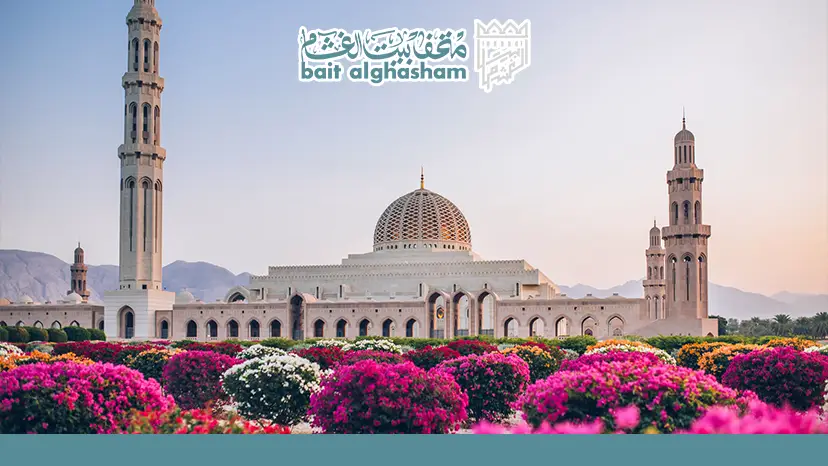
If you are stepping foot in the country for the first time, prioritizing your sightseeing list is essential. Here are the top 10 places to visit in oman that offer the most diverse and unforgettable experiences:
- 1. Sultan Qaboos Grand Mosque (Muscat): A masterpiece of modern Islamic architecture featuring a massive single-piece Persian carpet and a breathtaking 14-ton Swarovski crystal chandelier.
- 2. Muttrah Souq & Corniche: A vibrant, ancient marketplace in Muscat where the air is thick with the scent of frankincense, Omani halwa, and spices.
- 3. Nizwa Fort & Market: The historical heart of Oman, famous for its massive 17th-century circular tower and its lively Friday cattle market.
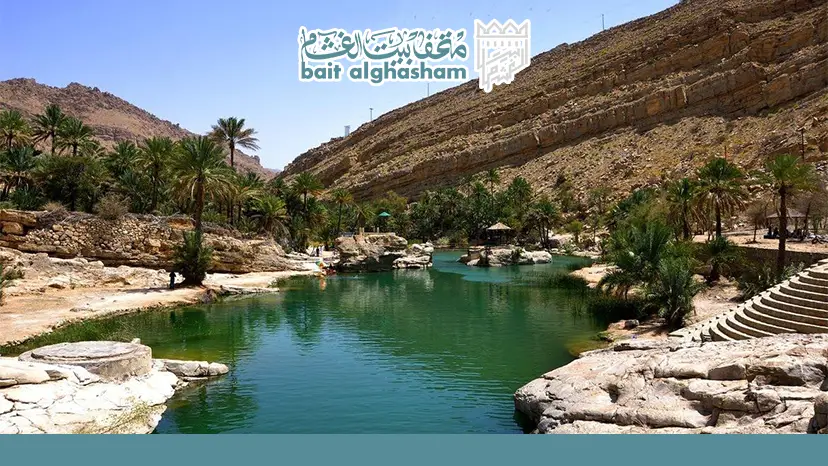
- 4. Wadi Shab: An adventure lover’s paradise where you hike through a dramatic canyon to swim in hidden, crystal-clear turquoise pools leading into a submerged cave waterfall.
- 5. Jebel Akhdar: Known as the “Green Mountain,” this high-altitude haven features terraced farms, luxury resorts, and blooming rose gardens every spring.
- 6. Wahiba Sands (Sharqiya Sands): A dramatic desert landscape of towering copper-colored dunes, perfect for dune bashing, stargazing, and overnight luxury camping.
- 7. Jebel Shams: The highest peak in the country, home to the jaw-dropping “Grand Canyon of Arabia” and the thrilling Balcony Walk trail.
- 8. Bimmah Sinkhole: A spectacular natural limestone crater filled with sparkling turquoise water, ideal for a refreshing swim during a coastal road trip.
- 9. Ras Al Jinz Turtle Reserve: An eco-tourism sanctuary where you can witness endangered green sea turtles nesting on the pristine sands under the stars.
- 10. Salalah (Dhofar Region): A stunning coastal city that completely transforms into a lush, green tropical paradise with misty waterfalls during the summer monsoon (Khareef) season.
If you are traveling with children and want a mix of history and modern entertainment, check out our guide on the best places to visit in Muscat with family.
Top Cultural and Historical Sites in Oman
Oman’s history is anchored in its maritime empire and ancient trade routes. To truly connect with this heritage, visiting these majestic landmarks is non-negotiable:
- Nizwa Fort: The historical heart of Oman, famous for its massive 17th-century circular tower and traditional architectural defense systems.
- Bahla Fort: A monumental mud-brick complex and a designated UNESCO World Heritage Site, renowned for its ancient defensive walls stretching for miles.
- Jabreen Castle: A beautifully preserved 17th-century residential palace, famous for its stunning hand-painted ceilings and hidden structural escape routes.
Best Natural Attractions in Oman
Beyond the historic architecture, the country’s geography is dramatically diverse. For nature lovers and adventurers looking to tick off the top 10 places to visit in oman, these stunning locations are absolute must-visits:
- Daymaniyat Islands Nature Reserve: A protected pristine archipelago featuring vibrant coral reefs teeming with colorful fish, reef sharks, and graceful sea turtles, offering the region’s premier snorkeling experience.
- Wadi Bani Khalid: A stunning inland oasis famous for its large, deep pools of constant flowing turquoise water, beautifully lined with emerald green date palms.
Best Beaches and Mountains in Oman
The dramatic convergence of massive mountain peaks and pristine ocean shorelines makes the Omani landscape unique, offering an incredible contrast of terrains within a short drive.
- The Hajar Mountain Range: Dominating the northern landscape, this rugged limestone range is a haven for outdoor enthusiasts. Peaks like Jebel Shams (the highest peak in Oman) and Jebel Akhdar (the Green Mountain) reach heights of over $3,000\text{ meters}$, providing visitors with crisp, cool alpine air that rarely exceeds $25^\circ\text{C}$ even during peak summer. Here, travelers can explore dramatic vertical gorges, trek the famous Balcony Walk, or wander through ancient cliffside agricultural terraces filled with pomegranates and blooming roses.
- The Pristine Coastline: Stretching over $3,000\text{ kilometers}$, the country boasts some of the most spectacular, uncrowded Oman beaches in the Middle East. For a vibrant urban beach scene with beachfront cafes, walking paths, and beautiful sunsets, Qurum Beach in Muscat is ideal. In contrast, the remote coastal fjords of the Musandam Peninsula often called the “Norway of Arabia” offer soaring limestone cliffs plunging into turquoise waters, best explored via a traditional wooden dhow cruise where wild dolphins regularly swim alongside the boats.
To discover the ancient frankincense ports and archaeological sites of the south, don’t miss our comprehensive overview of the top Tourist attractions in Dhofar.
How to Plan a 7-Day Oman Itinerary?
To get a comprehensive taste of the country’s best highlights, a week-long road trip is the gold standard.
1.Muscat Exploration
Days 1 – 2
Land in Muscat. Spend your first two days exploring the Sultan Qaboos Grand Mosque, the Royal Opera House, and walking the historic coastal alleys of Muttrah Souq.
2.Coastal Wonders to Sur
Day 3
Drive south along the coast from Muscat. Stop to swim at the Bimmah Sinkhole, hike through the breathtaking pools of Wadi Shab, and spend the night in the maritime town of Sur.
3.Desert Oasis & Dunes
Day 4
Head inland to cool off at the emerald pools of Wadi Bani Khalid. By late afternoon, drive into the deep desert of Wahiba Sands for a sunset dune drive and an overnight camp experience.
4.Nizwa and the Grand Canyon
Days 5 – 6
Drive to the historic city of Nizwa to tour its ancient fort and souq. Head up the steep roads of Jebel Shams to hike the famous Balcony Walk overlooking the Grand Canyon of Arabia.
5.Return via Heritage Villages
Day 7
Drive back down toward Muscat, stopping to tour the ancient mud-brick village of Birkat Al Mouz and its historic Falaj irrigation systems before catching your departure flight.
Best Time to Visit Oman
The peak travel window for a northern Oman itinerary runs from October to April. During these cooler winter months, temperatures average a pleasant 22°C to 30°C, making it ideal for outdoor trekking, camping, and walking around the top 10 places to visit in oman. If you plan to visit Salalah in the south, the best time is totally reversed: visit between July and September to experience the cool monsoon mist that turns the entire desert valley completely green.
Travel Tips for Oman Tourists
- Rent a 4×4 Vehicle: While standard highways are perfectly paved, a four-wheel-drive vehicle is strictly required by local police check-points to climb up the steep terrains of Jebel Akhdar and Jebel Shams, as well as to enter desert sand camps.
- Dress Code Respect: Oman is a conservative Islamic nation. While swimwear is perfectly fine on resort beaches or inside deep wadi pools, tourists should wear clothing covering shoulders and knees when walking in public areas, souqs, and shopping malls.
- Driving Safety: Watch out for unexpected camels crossing roads in rural desert areas and keep an eye on weather forecasts, as dry wadi beds can flash flood rapidly during rare rain events.
- Local Currency: The Omani Rial (OMR) is highly valuable. Card payment is widely accepted in cities, but carrying physical cash is essential for small souq purchases, traditional taxis, and local fruit stalls.
Frequently Asked Questions About top 10 places to visit in oman
What are the top places in Oman?
The absolute must-visit destinations in Oman represent its incredible geographical diversity. The historical heart of the country includes the capital city of Muscat (home to the Sultan Qaboos Grand Mosque and Muttrah Souq) and the ancient interior city of Nizwa Fort. For natural wonders, the emerald waters of Wadi Shab, the staggering canyon views from Jebel Shams, and the golden dunes of Wahiba Sands are unmissable. If you travel during the summer, the southern tropical paradise of Salalah is a top priority.
How many days are enough for Oman?
7 to 10 days is the perfect duration for a first-time Oman itinerary. A week allows you to comfortably execute a classic road trip loop covering Muscat, Sur, the coastal wadis, the Wahiba desert, and the Hajar Mountains (Nizwa and Jebel Shams) without rushing. If you wish to add the Musandam Peninsula or fly south to Salalah, extending your trip to 12 or 14 days is highly recommended.
Is Oman expensive to visit?
Oman is generally considered a mid-to-high budget destination within the Middle East travel sector. Because the Omani Rial (OMR) is one of the strongest currencies in the world, daily expenses like dining at high-end restaurants or booking luxury mountain resorts can add up quickly. However, it can easily be managed on a moderate budget; public beaches, wild camping, and hiking are completely free, and delicious local or South Asian meals cost very little ($3–$6 USD per meal).
Best time to visit Oman?
The peak window for Oman tourism is during the winter season, from October to April. During these months, the weather across northern Oman is beautifully mild and sunny, with outdoor temperatures ranging comfortably between ideal for desert camping and mountain trekking. Alternatively, the best time to visit Salalah in the south is between July and September to experience the famous green monsoon (Khareef) season.
Read More in Arabic: سوق نزوي
Read More in Arabic: حديقه المائيه في صلاله
Read More in Arabic: اماكن سياحية في مسقط للعوائل في الصيف
Read More in Arabic: الجبل الاخصر
Read More in Arabic: متحف قريب مني