
Salalah Museum stands out as a prime gem among Oman museums, uncovering ancient history; in this article, we reveal the secrets waiting to be explored.
Location of Salalah Museum in Dhofar
Finding this cultural gem is simple for any traveler. The Salalah Museum location is strategically situated within the heart of Salalah in the Dhofar Governorate, specifically nestled inside the famous Al Baleed Archaeological Park—a UNESCO World Heritage site. This prime location allows visitors to seamlessly pair their museum tour with a walk through the outdoor ruins of the ancient Islamic port of Zafar, making it highly accessible via local taxis or rental cars.
While exploring Oman’s cultural geography, travelers often compare regional hubs; while Muscat boasts the historic urban tales of the Bait Al Baranda Museum or the private ethnographical treasures of the Bait Al Zubair Museum, the location in Dhofar provides an unmatched look into the southern maritime and aromatic heritage.
History of Salalah Museum
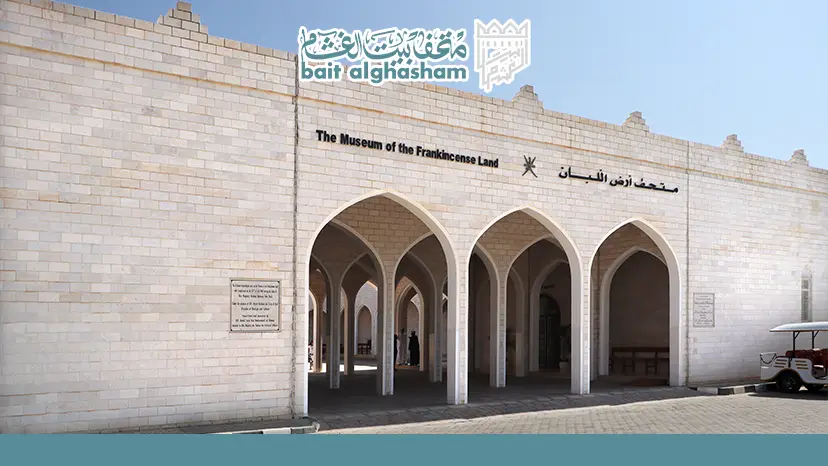
The roots of the Salalah Museum, formally known as the Museum of the Frankincense Land, are deeply intertwined with the ancient history of the region and the preservation of Oman’s national identity. This landmark institution’s history is best understood through these expanded historical milestone points:
- UNESCO Inscription as the Core Catalyst (2000): The momentum to build the museum truly began in November 2000, when UNESCO officially inscribed the “Land of Frankincense” sites onto the World Heritage List. Recognizing the global significance of Dhofar’s interconnected heritage—encompassing Al Baleed, Khor Rori (Sumhuram), Shisr (Ubar), and Wadi Dawkah—the Omani government sought a world-class interpretive centerpiece to contextualize these 5,000-year-old trade networks for global travelers.
- Royal Vision and Construction Phase (2005–2007): Funded entirely under the royal auspices of the late Sultan Qaboos bin Said, construction on the modern museum building began in 2005. The architecture itself was deliberately designed to reflect Omani heritage, drawing heavy inspiration from traditional coastal fortresses and defensive structures native to the Dhofar region, ensuring that the building mirrors the history it houses.
- Official Inauguration (July 23, 2007): After two years of meticulous planning and construction, the museum officially opened its doors on July 23, 2007. Its launch permanently shifted the cultural landscape of Southern Oman, transitioning from a localized, modest artifact exhibition into a highly sophisticated, comprehensive maritime and archaeological sanctuary using modern curation standards.
- Honoring the Legacy of Ancient Zafar (Al Baleed): The primary historical purpose of establishing the museum was to safeguard and honor the exceptional legacy of the adjacent Al Baleed Archaeological Park. Historically known as the ancient fortified port city of Zafar, this commercial powerhouse flourished dynamically between the 8th and 16th centuries. The museum was built right on-site to directly display the rich trove of coins, pottery, glassware, and ironwork unearthed by international excavation teams over the decades.
- A Monument to Global Maritime Mastery: Ultimately, the history of the museum reflects Oman’s unwavering commitment to documenting its historic seafaring prowess. The artifacts and models housed here commemorate a time when Omani mariners completely dominated the monsoon winds of the Indian Ocean, utilizing advanced navigational instruments to export the world’s finest Boswellia sacra resin to the grand ancient empires of Rome, Egypt, India, and China.
Purpose and Cultural Role of Salalah Museum
The primary purpose of the museum goes far beyond merely displaying old artifacts. It serves as a vital educational and cultural hub aimed at protecting Omani national identity and educating younger generations about their ancestors’ resilience and global footprints. By bridging the gap between antiquity and modern vision, the institution plays a dynamic role in academic research, archaeological conservation, and community engagement in Southern Oman.
Exhibits and Collections at Salalah Museum
The indoor exhibits are masterfully curated and divided into two primary, world-class halls that captivate visitors of all ages:
- The History Hall: This section features spectacular archaeological findings, ancient manuscripts, and geographical maps outlining the historical trajectory of the Sultanate, complementing the sweeping national narratives recently celebrated at the grand Oman Across Ages Museum in Manah.
- The Maritime Hall: A stunning tribute to Oman’s legendary relationship with the sea. It showcases meticulously built replicas of traditional Omani boats (like the Dhow), ancient navigational instruments, and tools used by legendary Omani seafarers.
Dhofar Heritage Display at Salalah Museum
A dedicated portion of the museum focuses heavily on the unique cultural traits of the Dhofari people. Visitors can marvel at authentic heritage displays featuring:
- Traditional Dhofari silver jewelry and intricately embroidered clothing.
- Ancient tools used for harvesting the sacred frankincense resin from the Boswellia sacra trees.
- Traditional pottery, musical instruments, and weaponry, such as the iconic Omani Khanjar, highlighting the distinct lifestyle of both the coastal and desert communities of Dhofar.
Visitor Experience at Salalah Museum
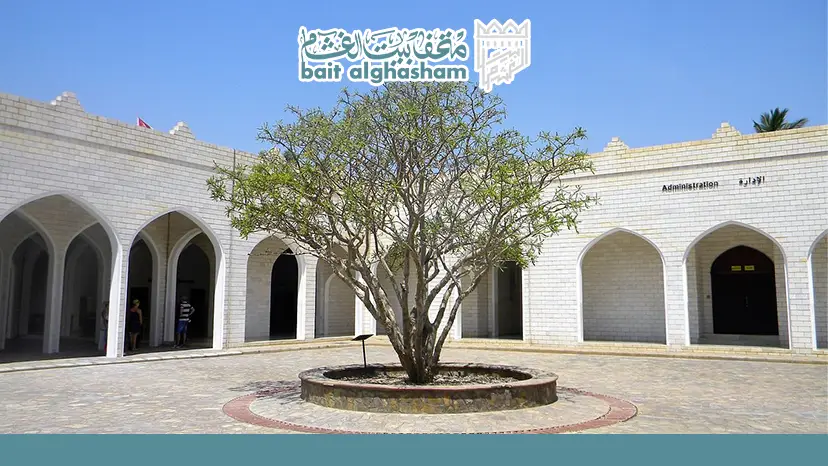
A typical Salalah Museum visit is engineered to be a highly interactive, immersive, and sensory journey through time. Rather than offering a static display of artifacts, the venue focuses heavily on a complete, modern guest experience detailed across these key pillars:
- Bilingual Interactive Learning and Display: All galleries are equipped with modern lighting and meticulously written informative display cards presented clearly in both Arabic and English. This makes the vast historical data highly accessible to diverse international travelers and provides school groups with a clear, self-guided educational environment.
- Multi-Sensory Audio-Visual Presentation Rooms: The museum breathes life into antiquities by using high-definition, multi-lingual documentary screenings and multimedia touchscreens. Visitors can sit back in dedicated screening areas to watch reconstructed histories of the ancient frankincense routes, helping children and visual learners grasp abstract historical timelines with ease.
- Exquisite Architectural Comfort and Accessibility: To contrast with the peak summer humidity of the Khareef season, the interior galleries are fully air-conditioned, spacious, and comfortably laid out. The museum features wide, smooth pathways that are entirely stroller and wheelchair friendly, ensuring a welcoming environment for families with young children and elderly visitors alike.
- Intricate Scale Models and Dioramas: One of the true highlights of the indoor visitor experience is the stunning collection of highly accurate, handcrafted scale models. These include detailed replicas of ancient Omani trading ships (Dhows) and archaeological layouts of historic coastal ports like Al Baleed, allowing history enthusiasts to visualize the true scale of ancient maritime operations.
- Seamless Integration with the Outdoor Ruins: The indoor visitor journey transitions effortlessly into the great outdoors. Upon completing the museum galleries, visitors can step directly out into the surrounding Al Baleed Archaeological Park to explore the excavated remains of old mosques and fortresses, or take a scenic boat ride along the natural freshwater reed lagoon (Khor), rounding out an exceptional, full-day educational excursion.
Cultural Importance of Salalah Museum in Oman
Within the wider framework of Omani heritage, the Salalah Museum (Museum of the Frankincense Land) holds monumental cultural importance. Its key contributions to preserving the nation’s identity can be summarized in the following simplified points:
- Preserving the Complete National Narrative: Working alongside northern cultural icons like the Bait Al Zubair Museum in Muscat, this institution ensures that the complete, diverse story of the Sultanate is preserved. It bridges the geographical and historical gap between the north and south of Oman.
- Redefining Oman’s Global Image: The museum clearly highlights that Oman was never just an isolated desert land. Instead, it proves to international visitors that the country was a highly sophisticated maritime empire with deep global connections.
- Celebrating the Legacy of Frankincense: It serves as a proud monument to the global frankincense trade. The exhibits showcase how Dhofar was once the global epicenter for exporting this sacred resin, which ancient civilizations valued as highly as gold.
- Educational Hub for Future Generations: The museum plays a vital role in local education by teaching children and youth about their ancestors’ craftsmanship, trading skills, and naval mastery, fostering a deep sense of pride in their Omani identity.
Best Time to Visit Salalah Museum
While the museum is open year-round, the best time to visit Salalah Museum is between July and September during the famous Khareef (monsoon) season. During these months, the weather in Dhofar is remarkably cool and misty, allowing you to comfortably enjoy the surrounding Al Baleed Archaeological Park. Alternatively, the winter months (October to April) are also ideal for those who prefer sunny, pleasant beach weather with fewer crowds.
Entry Fees and Visiting Information
To ensure a smooth trip, here is a quick summary of essential Salalah Museum information:
- Entry Fees: The admission ticket is highly affordable and typically covers entry to both the indoor museum halls and the entire outdoor Al Baleed Archaeological Park (including the lagoon boat rides when available).
- Operating Hours: The museum generally operates in two shifts (morning and evening) during weekdays, with adjusted timings on weekends.
Note: It is always recommended to check the latest seasonal timings before your visit, as operating hours can extend during the peak Khareef festival season.
Salalah Museum and Cultural Tourism in Dhofar
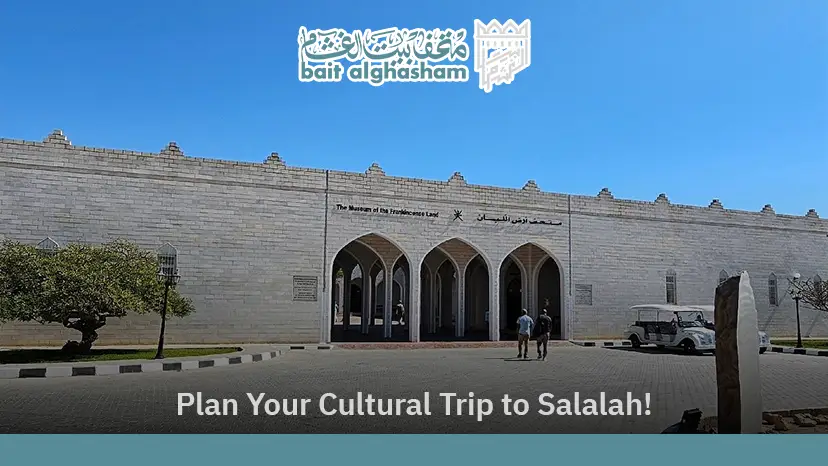
Today, the museum stands as a cornerstone of sustainable cultural tourism in Oman. By successfully drawing international tourists away from just the natural landscapes and into historical spaces, it significantly boosts the local economy. It inspires a profound appreciation for Omani craftsmanship, making a stop at this archaeological sanctuary an unforgettable highlight of any Dhofar itinerary.
Quick Comparison of Major Omani Museums
To help map out your cultural journey across the Sultanate, here is how the primary museums compare:
| Museum Name | Primary Focus | Geographic Location |
| Museum of the Frankincense Land | Frankincense Trade & Maritime History | Salalah (Dhofar) |
| Oman Across Ages Museum | Comprehensive National & Future Vision | Manah (Al Dakhiliyah) |
| Bait Al Zubair Museum | Omani Ethnography, Weapons & Attire | Muscat (Capital) |
| Bait Al Baranda Museum | Muscat’s History from Prehistory to Modern Day | Muttrah (Muscat) |
The Salalah Museum (Museum of the Frankincense Land) is far more than just a house for artifacts; it is a living gateway to Oman’s glorious maritime and commercial golden age. A visit to this exceptional sanctuary offers an unforgettable cultural experience that perfectly blends the natural beauty of Dhofar with the deep, enduring roots of Omani history.
Frequently Asked Questions About Salalah Museum
Where is the Salalah Museum located?
The Salalah Museum location is strategically situated inside the Al Baleed Archaeological Park, a UNESCO World Heritage site in the coastal Al Baleed district of Salalah, Dhofar Governorate, Southern Oman. It sits right next to a beautiful natural freshwater lagoon (Khor Al Baleed), just a short drive from central Salalah.
What is Salalah Museum?
Formally known as the Museum of the Frankincense Land, it is the premier archaeological and cultural museum in Southern Oman. Opened in 2007, the institution serves as a national monument dedicated to preserving and showcasing Oman’s 5,000-year-old history, its legendary maritime dominance, and its status as the ancient global epicenter of the frankincense trade.
What can you see in Salalah Museum?
A Salalah Museum visit offers an immersive look into two brilliantly curated indoor exhibition halls:
- The History Hall: Features rare archaeological artifacts, ancient coins, pottery, and manuscripts tracing the history of Oman and the ancient trade of the coastal city of Zafar.
- The Maritime Hall: Displays stunning, hand-crafted scale models of traditional Omani ships (Dhows), ancient navigational tools, and exhibits explaining Oman’s historical sea routes to China, Rome, and Africa.
- Outdoor Park: Right outside, you can see the excavated stone ruins of the medieval Al Baleed fortress and grand mosque.
Is Salalah Museum worth visiting?
Yes, it is absolutely worth visiting and is widely considered a top-rated attraction in Dhofar. It seamlessly combines highly informative, air-conditioned indoor galleries with an outdoor UNESCO archaeological site. It provides excellent cultural context that makes your entire trip to Salalah much more meaningful, making it a fantastic, budget-friendly stop for families, history lovers, and casual tourists alike.
What are the opening hours of Salalah Museum?
The museum is open daily throughout the week, typically operating in two split shifts:
- Saturday to Wednesday: 8:00 AM – 2:00 PM, and 4:00 PM – 8:00 PM.
- Thursday and Friday: 4:00 PM – 8:00 PM (Evening shift only).
Plan Your Museum Tour in Oman
After exploring the fossils, wildlife displays, and the famous Whale Hall, visitors can continue discovering
Oman museums
through a cultural itinerary that combines science, nature, architecture, and traditional heritage. The Natural History Museum is an excellent stop for anyone planning
tourism in Muscat
,
especially for families, students, and travellers interested in Oman’s biodiversity. You can find the museum easily through
the Natural History Museum location on Google Maps
.
To experience another side of Omani history, you can also
visit Bait Al Ghasham Museum
in Wadi Al Maawil. This restored historic house is one of the distinctive
archaeological landmarks in Oman
,
offering visitors an authentic look at traditional Omani architecture, family life, fortified rooms, and heritage details. Travellers can also explore the available
visit packages
to combine museum visits with other cultural and historical attractions.
Read More in Arabic: العاب اطفال مسقط
Read More in Arabic: سوق صلالة الشعبي
Read more: hilton salalah oman