
The museum of the frankincense land stands as a testament to Dhofar history among top Oman museums. Discover a rare gem of ancient trade.
Location of the Museum of the Frankincense Land in the Sultanate of Oman
The museum is uniquely situated within the Al Baleed Archaeological Park, a UNESCO World Heritage site in Salalah. This strategic Location of the Land of Frankincense Museum in the Sultanate of Oman allows visitors to walk through ancient ruins before entering the modern halls of the museum, making it a centerpiece of the Salalah museum of frankincense landscape.
The History of the Museum of the Frankincense Land
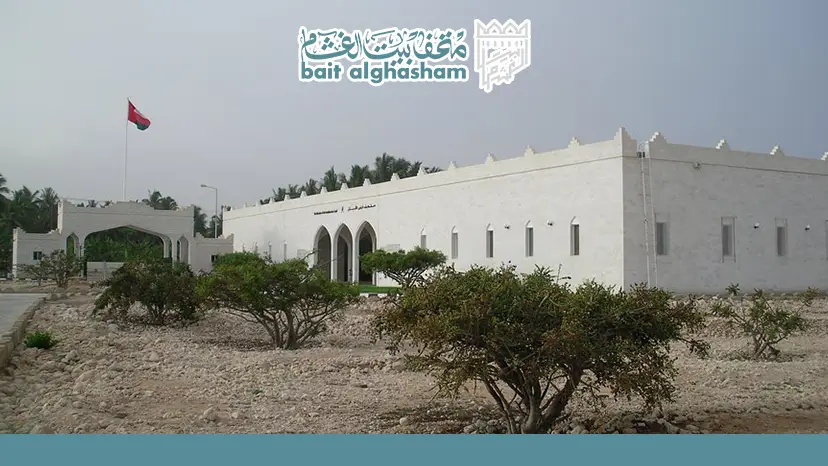
The History of the Land of Frankincense Museum is deeply intertwined with the Sultanate’s vision to bridge the gap between ancient heritage and modern cultural preservation. Here are the key historical milestones of this landmark institution:
- Official Inauguration: The museum was officially opened on July 23, 2007, under the royal auspices of the late Sultan Qaboos bin Said. Its establishment was a strategic move to create a world-class cultural center within the Dhofar Governorate.
- A Tribute to Al Baleed: The museum was specifically designed to honor and protect the adjacent Al Baleed Archaeological Park. Historically known as the ancient city of Zafar, Al Baleed was a legendary fortified port that flourished during the Middle Ages (from the 8th to the 16th century).
- Preserving the UNESCO Legacy: Following the inclusion of the “Land of Frankincense” sites in the UNESCO World Heritage List in 2000, the museum was developed to serve as the interpretive heart of these sites. It provides the necessary historical context for the ruins of Al Baleed, Shisr, and Khor Rori.
- The Hub of Global Trade: The history displayed here commemorates the museum’s role as a bustling maritime hub. During its peak, the port exported the world’s finest frankincense to the empires of China, Rome, and India, acting as a vital link in the Indian Ocean trade network.
- Evolution of Content: Since 2007, the museum has continuously expanded its collection. It has transitioned from a local exhibition to a comprehensive maritime and archaeological museum that utilizes modern curation techniques to tell the story of Oman’s seafaring prowess and its 5,000-year-old relationship with the frankincense tree.
- Architectural Heritage: Even the building’s history is significant; its architecture was inspired by traditional Omani coastal forts, ensuring that the structure itself reflects the History of the Land of Frankincense Museum and the architectural identity of the Dhofar region.
Make the most of your trip by visiting the Salalah Museum which serves as a perfect companion for showcasing the archaeological and cultural heritage of the Dhofar region.
The Significance of the Land of Frankincense Museum’s Heritage
The Significance of the Land of Frankincense Museum’s Heritage transcends local history, representing a legacy of global importance. As a central component of a UNESCO World Heritage site, its value is defined by several key pillars:
- Global Recognition by UNESCO: The museum is an integral part of the “Land of Frankincense” serial property, inscribed in 2000. It serves as the educational gateway to a network of sites including the frankincense trees of Wadi Dawkah, the ancient caravan oasis of Shisr/Ubar, and the historic ports of Khor Rori and Al Baleed.
- The Epicenter of Ancient Commerce: The heritage preserved here represents the Frankincense Trade Route, which was one of the most critical trading activities of the ancient and medieval world. For centuries, this trade linked the Arabian Peninsula to the Mediterranean, Mesopotamia, and East Asia, rivaling the Silk Road in economic and cultural impact.
- A “Living” Archaeological Record: Unlike static exhibits, the museum’s significance lies in its ability to interpret the ruins of the Al Baleed archaeological site. It provides evidence of a highly organized medieval city with distinct commercial, residential, and religious quarters, illustrating the socio-economic patterns of early Southern Arabia.
- Preserving the “Boswellia Sacra” Legacy: The museum highlights the heritage of the Frankincense tree (Boswellia sacra). It explains why this specific aromatic resin was once more valuable than gold, used in the sacred rituals of Pharaohs, Roman Emperors, and Chinese Dynasties.
- Maritime Mastery and Shipbuilding: A significant part of the museum’s heritage is dedicated to Oman’s seafaring identity. It showcases the architectural genius of traditional Omani shipbuilding, which allowed ancient mariners to dominate the monsoon winds of the Indian Ocean, transporting frankincense across thousands of miles.
- Cultural Continuity: Perhaps the greatest significance of the museum of the frankincense land is its role in maintaining cultural continuity. It ensures that the harvesting techniques, trade history, and cultural traditions of the Dhofari people are passed down to future generations, keeping the “Land of Frankincense” identity alive in the 21st century.
Exhibits in the Museum of the Frankincense Land
The museum of the frankincense land offers a world-class curation of artifacts, meticulously organized into two primary wings that provide a comprehensive narrative of Oman’s history. The Exhibits in the Land of Frankincense Museum are designed to take visitors on a journey through time:
1. The Maritime Hall (The Sea Wing)
This hall celebrates Oman’s legendary seafaring history and its mastery over the Indian Ocean. Key highlights include:
- Traditional Ship Replicas: The hall features high-fidelity, full-scale, and miniature replicas of famous Omani ships such as the Ghanjah, Baghlah, and Badan. These displays illustrate the evolution of Omani shipbuilding techniques over centuries.
- The “Jewel of Muscat”: Visitors can learn about the construction of traditional dhows without nails, using ancient sewing techniques that allowed Omani sailors to reach as far as China.
- Navigational Mastery: On display are ancient navigational tools, astrolabes, and rare maritime maps that prove the advanced astronomical and geographical knowledge of Omani mariners.
- Maritime Trade Routes: Interactive maps trace the legendary spice and incense routes that connected the Port of Salalah to the major civilizations of the East and West.
2. The History Hall (The Land Wing)
This wing focuses on the archaeological wealth of the Dhofar region and the socio-economic impact of the frankincense trade. Featured exhibits include:
- Al Baleed Archaeological Finds: A vast collection of pottery, glassware, and ironwork excavated from the frankincense land museum Salalah site (the ancient city of Zafar).
- Ancient Manuscripts & Lithographs: Rare documents that describe the region’s history and its diplomatic importance during the Islamic Golden Age.
- The Sacred Resin Gallery: Detailed displays showing the different grades of frankincense, the tools used for harvesting the resin from the Boswellia sacra trees, and ancient incense burners found at Shisr and Khor Rori.
- Architecture of Ancient Settlements: Detailed models showing the meticulous urban planning of medieval Al Baleed, highlighting how the city was divided into specialized commercial, residential, and religious quarters to facilitate global trade.
- Numismatic Collection: Rare coins from various civilizations (Roman, Islamic, and Indian) discovered at the site, providing physical proof of the diverse international merchants who once frequented this frankincense museum Oman.
Step into a stunning private collection that brings Omani traditional costumes and weaponry to life in Old Muscat at the Bait Al Zubair Museum.
The Role of the Land of Frankincense Museum in Ancient Trade
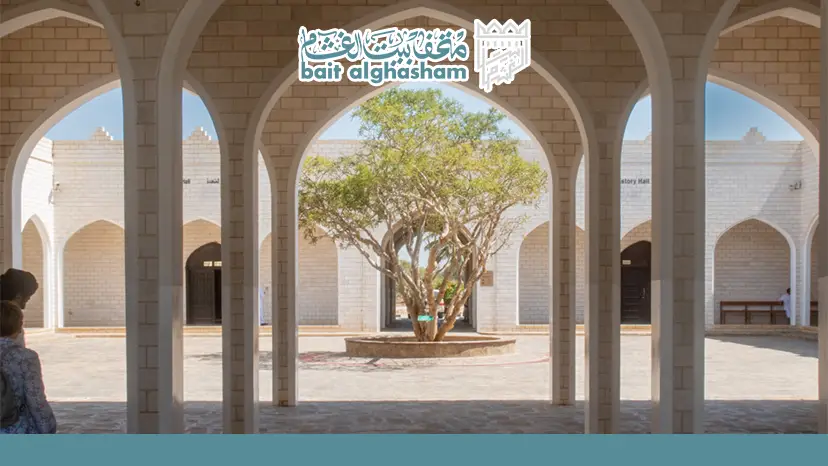
The museum of the frankincense land serves as a vital historical archive, documenting how Southern Arabia became the economic heartbeat of the ancient world. The Role of the Land of Frankincense Museum in Ancient Trade is showcased through several pivotal themes:
- The Source of “White Gold”: The museum illustrates Oman’s status as the world’s primary producer of high-quality frankincense, often referred to as the “Tears of the Gods.” For millennia, this resin was a global commodity as valuable as gold, driving the economies of ancient kingdoms.
- The Nexus of the Incense Route: Exhibits vividly map the intricate Incense Trade Routes. Visitors can explore how Salalah served as the starting point for massive caravans that crossed the “Empty Quarter” and ships that braved the Arabian Sea, linking Oman to the markets of the Mediterranean, the Red Sea, and Mesopotamia.
- A Bridge Between Civilizations: The museum highlights how the trade of frankincense facilitated more than just commerce; it was a medium for cultural and diplomatic exchange. Artifacts on display show the influence of Pharaonic Egypt, the Roman Empire, and ancient Indian civilizations on the region, all drawn by the lure of Omani incense.
- Architectural and Socio-Economic Patterns: As recognized by UNESCO, the museum provides an outstanding illustration of the unique architectural patterns of the region. It showcases how ancient Omani settlements were specifically designed as “fortified trading hubs,” with specialized infrastructures like stone-built warehouses and sophisticated port facilities to manage the global demand.
- Mastery of the Monsoon Winds: A key part of its role in ancient trade was the seasonal timing of exports. The museum documents how Omani traders utilized their advanced knowledge of the Monsoon winds to establish a reliable maritime bridge between the Land of Frankincense and the Far East, long before modern navigation existed.
- Economic Diplomacy: The exhibits reflect how the frankincense trade dictated the geopolitical importance of Southern Arabia. By controlling the supply of this essential resin—used in religious rituals, medicine, and perfumery—ancient Omani cities became influential players in international diplomacy and global wealth distribution.
Experience a high-tech journey through the Sultanate’s history from its geological beginnings to the modern Renaissance at the Oman Across Ages Museum.
The Visitor Experience Inside the Land of Frankincense Museum
The Visitor Experience Inside the Land of Frankincense Museum is carefully curated to be both educational and evocative, engaging all the senses of the traveler. It offers a seamless blend of indoor historical discovery and outdoor archaeological exploration:
- A Sensory Journey: The experience begins with the scent of authentic Omani incense. Inside the museum, visitors can see, touch, and learn to distinguish between the various grades of frankincense resin, including the prized “Hojari” frankincense, known for its medicinal and aromatic purity.
- Educational Insights into Harvesting: The museum features detailed displays on the life cycle of the Boswellia sacra trees. Visitors gain a deep understanding of the traditional harvesting process—from the precise “manqaf” tool used to scar the bark to the patient waiting for the resin “tears” to dry and harden.
- Immersive Archaeological Walk: One of the most unique aspects of the frankincense land museum visit is its integration with the Al Baleed Archaeological Park. After exploring the galleries, visitors can wander through the ancient ruins of the 12th-century city, walking the same paths where medieval merchants once traded.
- Picturesque Landscapes and Lagoons: The museum is surrounded by lush green landscapes and freshwater lagoons (khors). The juxtaposition of ancient stone ruins against the vibrant flora of Salalah—especially during the Khareef season—creates a serene and photogenic environment.
- Accessibility and Comfort: The facility is designed with modern amenities, including informative multi-lingual signage (Arabic and English), air-conditioned galleries for comfort, and a peaceful ambiance that allows for a deep dive into Omani history.
- The Gift Shop Experience: To complete the journey, the museum’s boutique offers visitors the chance to purchase authentic frankincense products, traditional incense burners, and specialized books, ensuring that a piece of the “Land of Frankincense” goes home with them.
Discover the fascinating maritime legacy and prehistoric geological eras of the capital city by exploring the Bait Al Baranda Museum.
Visiting Hours of the Land of Frankincense Museum
To plan your visit to this frankincense museum Oman, note the following Visiting Hours of the Land of Frankincense Museum:
- Daily: 8:00 AM – 8:00 PM.
- (Note: Hours may vary during the Khareef season or public holidays).
Entrance Fees to the Land of Frankincense Museum
The Entrance Fees to the Land of Frankincense Museum are generally structured per vehicle:
- Standard Entry: 2.000 OMR per car (which includes entry to the entire Al Baleed Archaeological Park).
Why is the Land of Frankincense Museum Considered One of the Most Important Museums in Oman?
The museum of the frankincense land holds a prestigious position in the Sultanate’s cultural landscape. It is considered a “must-visit” for the following reasons:
- UNESCO World Heritage Status: It is the only museum in Oman located within a UNESCO World Heritage site (Al Baleed), giving it international recognition and global prestige.
- Archaeological Authority: The museum provides the definitive physical evidence of the ancient incense trade, showcasing artifacts that prove how this region was once one of the wealthiest in the ancient world.
- Unique Focus on Dhofari Identity: It is the primary institution dedicated to the unique cultural and historical traditions of the Dhofar region, preserving a heritage distinct from the rest of the Arabian Peninsula.
- A Dual-Narrative Experience: Unlike other museums, it masterfully combines two pillars of Omani identity—Maritime Prowess and Land-based Trade—under one roof, offering a complete picture of the nation’s history.
- Economic History Hub: It tells the rare story of how a single natural resource (Frankincense) shaped the geopolitical and economic destiny of Oman for over 5,000 years.
- Educational Pillar: As one of the most important museums in Oman, it serves as a vital educational resource for researchers and students studying the “Incense Route” and its impact on global civilizations.
The Museum of the Frankincense Land and Cultural Tourism in Oman
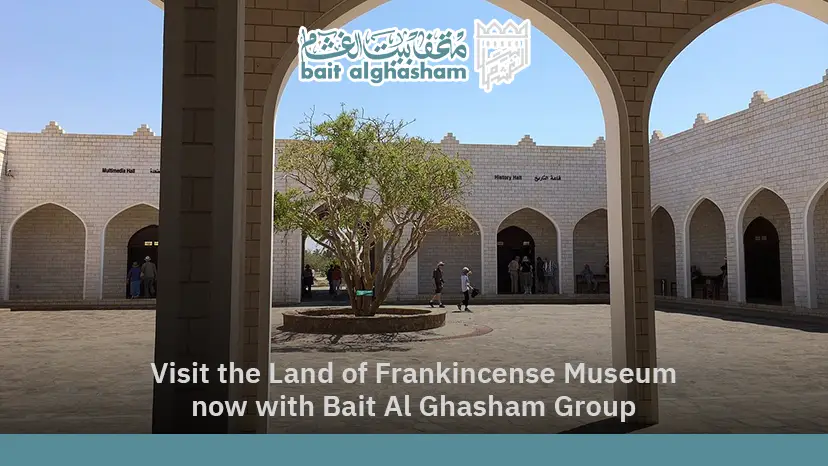
As a cornerstone of Cultural Tourism in Oman, the museum attracts thousands of visitors annually. It serves as an educational hub for schools and a high-interest point for international tourists seeking an authentic Omani experience beyond the modern cityscapes.
Plan Your Visit to the Museum of the Frankincense Land
The Museum of the Frankincense Land is an essential stop for travellers exploring
tourism in Salalah
.
Located within Al Baleed Archaeological Park, the museum allows visitors to combine indoor exhibitions with a walk through the remains of an ancient trading city connected to Oman’s historic frankincense routes.
You can find the destination easily through
Museum of the Frankincense Land on Google Maps
.
Visitors interested in discovering more
Oman museums
can include the museum in a wider journey focused on maritime history, archaeology, and traditional heritage.
Travellers can also explore
archaeological tourism in Oman
to discover other historic ports, forts, settlements, and cultural landmarks across the Sultanate.
To experience traditional Omani architecture and family life, visitors can
visit Bait Al Ghasham Museum
in Wadi Al Maawil and browse the available
visit packages in Oman
for a broader heritage itinerary.
Frequently Asked Questions about museum of the frankincense land
Where is the museum of the frankincense land located?
The museum of the frankincense land is located in the southern part of Oman, specifically in Salalah, Dhofar Governorate. It is situated within the Al Baleed Archaeological Park, a UNESCO World Heritage site along the coastal belt near the Al Hafa district.
What does the Land of Frankincense Museum contain?
The museum is divided into two main halls:
- The Maritime Hall: Contains replicas of ancient Omani dhows and navigational tools.
- The History Hall: Displays archaeological artifacts, ancient manuscripts, and historical evidence of the frankincense trade, including various grades of the Boswellia sacra resin.
Is the Land of Frankincense Museum suitable for families?
Yes, absolutely. The museum is a top destination for family tourism in Salalah. It offers wide-open walkways in the surrounding archaeological park, educational exhibits that engage children, and a safe, scenic environment featuring lagoons and lush landscapes that all family members can enjoy.
Read more: activities to do in muscat
Read more: places to visit in salalah during khareef
Read more: salalah tourist spot
Read more: al jalali and al mirani forts
Read more: oman heritage
Read More in Arabic: أماكن ألعاب للكبار في مسقط
Read More in Arabic: أماكن في صحار
Read More in Arabic: سوق الخافه