
archaeological tourism
Archaeological Tourism – Explore Oman’s Historical Landmarks
Oman is a land where history is deeply woven into the landscape. From ancient forts to early human settlements, archaeological tourism opens a window into civilizations that shaped the region over thousands of years. Exploring Oman’s historical landmarks offers travelers a journey through time, combining discovery, learning, and authentic cultural immersion.
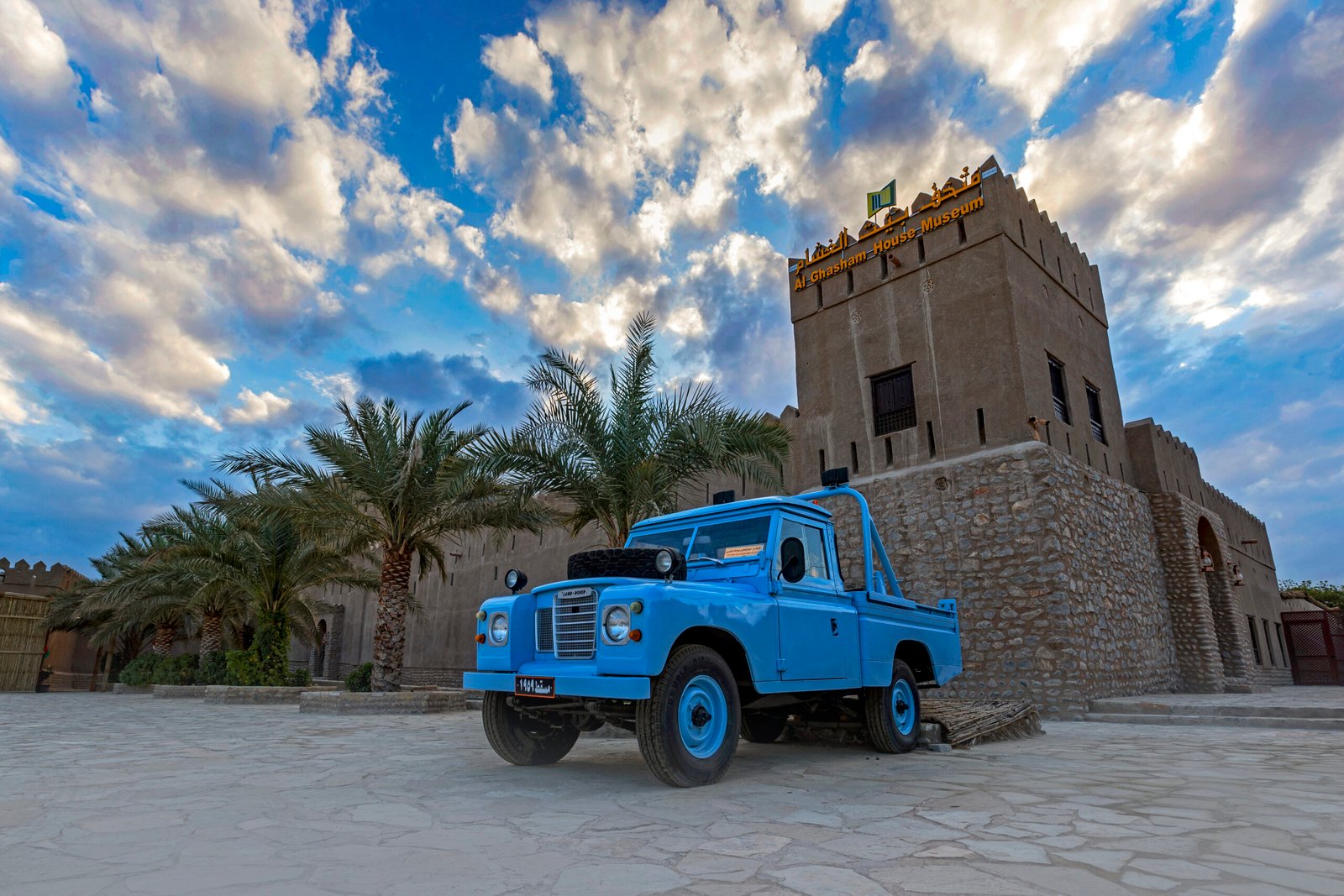
Why Archaeological Tourism in Oman Is Unique
- Preserved archaeological sites that remain closely connected to their original environment and historical setting.
- A strong commitment to conservation that protects Oman’s cultural and archaeological heritage for future generations.
- An authentic experience where archaeological tourism in Oman goes beyond observation, allowing visitors to engage with history in a meaningful way.
- A harmonious blend of cultural context, local traditions, and historical landmarks that brings Oman’s past to life.
Key Archaeological Sites in Oman
Oman is home to a remarkable collection of archaeological treasures that reflect different eras and civilizations. These ancient sites in Oman range from prehistoric settlements and early trade hubs to fortified cities and UNESCO-listed landmarks. Together, they reveal the depth of the nation’s past and make Oman one of the most rewarding destinations for travelers interested in archaeological sites to visit in Oman.
Below are some of the must-visit locations that blend Oman’s rich history with its authentic cultural heritage, offering unforgettable cultural and archaeological tourism experiences:
01
Nizwa Fort
A powerful symbol of Omani civilization and heritage, Nizwa Fort is one of the country’s most iconic archaeological landmarks. Its massive central tower and surrounding traditional souq, filled with local handicrafts, make every visit a rich cultural experience.
02
Bahla Fort
A UNESCO World Heritage Site, Bahla Fort is an impressive example of traditional Omani architecture. Its vast walls and historic structure reflect the brilliance of ancient construction techniques and the importance of fortified cities in Oman’s history.
03
The National Museum of Oman (Muscat)
Located in the capital, the National Museum houses rare archaeological and historical collections that tell the story of Oman across different eras. It showcases the country’s cultural and artistic treasures, offering deep insight into cultural heritage tourism in Oman.
04
Historic Palaces
Sites such as the Portuguese Castle and Jabrin Castle stand as living examples of traditional architecture. These palaces allow visitors to explore the lifestyle, governance, and artistic expression of historical Oman.
05
Ancient Tombs and Archaeological Sites
Several archaeological locations highlight Oman’s diverse civilizations, including the sites of Bat, Al-Khutm, and Al-Ayn. These Bronze Age funerary structures, dating back over 5,000 years, are among the most significant ancient sites in Oman.
06
Land of Frankincense (Dhofar Governorate)
This UNESCO-listed area includes sites linked to the ancient frankincense trade, such as the ruins of Sumhuram (Khor Rori) and Wadi Dawkah. These locations reveal Oman’s historic role as a major center of global trade.
07
Qalhat (South Al Sharqiyah Governorate)
Once a thriving maritime trade city, Qalhat features the remains of an important port and the famous Bibi Maryam Mosque. The site reflects the prosperity of ancient maritime commerce in Oman.
08
Traditional Irrigation Systems (Aflaj)
Recognized as UNESCO World Heritage Sites, Oman’s aflaj systems demonstrate advanced agricultural knowledge and sustainable water management practices preserved over centuries.
09
Muscat Forts and Historic Landmarks
Muscat is rich in archaeological and cultural attractions, including the Al Mirani and Al Jalali forts, renowned museums such as the National Museum and Bait Al Zubair, the traditional Muttrah Souq, and Islamic landmarks like the Sultan Qaboos Grand Mosque.
10
Ancient Copper Mining Sites
Locations such as Samad Al Shan and Wadi Al Jizzi highlight Oman’s long history of copper mining. These sites reveal the advanced skills of ancient Omanis in metallurgy and traditional craftsmanship.
Who Is Archaeological Tourism Ideal For?
- History enthusiasts eager to explore ancient civilizations and historical landmarks.
- Cultural explorers seeking authentic cultural and archaeological tourism experiences beyond traditional sightseeing.
- Researchers and academics interested in ancient sites in Oman and their historical significance.
- Families and students looking for educational yet engaging travel experiences.
- Curious adventurers who value meaningful journeys rooted in culture, heritage, and discovery.
Visitor Experiences
- Immersive journeys through ancient settlements and well-preserved archaeological sites.
- Guided tours enriched with local stories, historical narratives, and cultural insights.
- Close encounters with centuries-old architecture that reflect Oman’s rich heritage.
- Emotional and educational experiences that create a lasting connection to Oman’s past.
- A deeper appreciation of cultural heritage tourism in Oman and its historical legacy.
Start Your Archaeological Tourism Journey
Discover Oman’s ancient forts, early settlements, and living heritage.
Start your journey today and explore one of the region’s richest archaeological destinations.
Frequently Asked Questions About Archaeological Tourism in Oman
Archaeological tourism in Oman includes visits to historic forts, castles, museums, and ancient settlements that reflect the country’s rich cultural and architectural heritage. These experiences often feature guided tours, historical explanations, and opportunities to explore traditional Omani architecture and ways of life.
Yes, archaeological tourism is suitable for families and students of all ages. Many programs are designed to be educational and engaging, offering interactive experiences that help children, students, and adults better understand Omani history and culture in an enjoyable way.
The duration varies depending on the program. Some experiences can be completed in half a day, while others extend to a full day or multiple days when combined with visits to several archaeological and cultural sites.
Absolutely. Archaeological tourism can be easily combined with cultural, nature-based, and leisure experiences, such as visiting traditional markets, exploring natural landscapes, or participating in cultural workshops, creating a well-rounded travel experience.
Archaeological tourism is ideal for history enthusiasts, cultural travelers, students, researchers, families, and visitors seeking authentic heritage experiences that offer deeper insight into Oman’s past and identity.