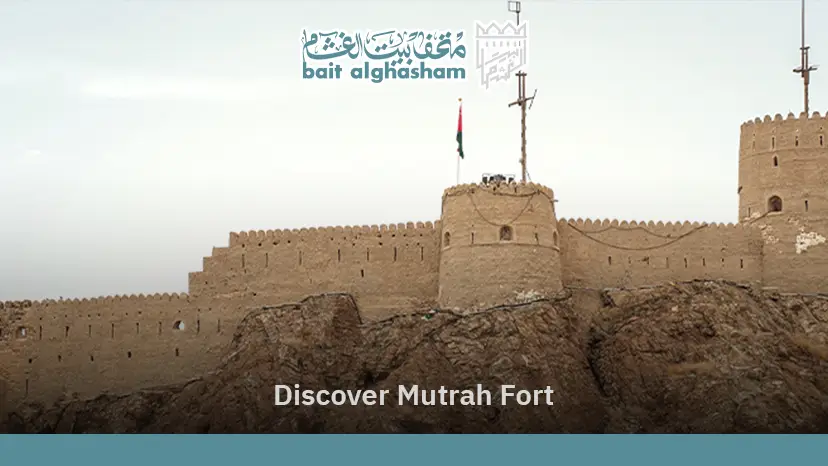
Mutrah Fort stands as one of the most magnificent archaeological landmarks adorning the waterfront of Oman’s capital. More than just an ancient military stronghold, it is famously known as the “Eye of Muscat,” having kept a watchful gaze over the sea and incoming vessels for centuries. Perched atop a majestic rocky hill, the fort creates a stunning artistic tableau that blends the turquoise waters of the Gulf with Oman’s profound maritime history.
What is Mutrah Fort?
Mutrah Fort is a historic defensive bastion located in the heart of the Mutrah district in Muscat. It serves as a vital bridge between a storied military past and a vibrant tourism present. For every traveler seeking the scent of history in the capital, the fort is a primary destination, offering unparalleled views of the Sea of Oman and the iconic Mutrah Corniche.
The Strategic Location of Mutrah Fort in Muscat
The Mutrah Fort location is arguably one of the most beautiful and strategic spots in the Muscat Governorate. It occupies the eastern edge of the Mutrah Corniche, sitting vertically above the waters of Port Sultan Qaboos. This unique geography has provided the fort with exceptional characteristics throughout the ages:
- Strategic Observation Point: Its elevated position offers a panoramic vantage point covering all maritime lanes leading to the heart of the capital.
- Connection to the Old Quarter: The fort is an integral part of Mutrah’s historic fabric, overlooking the traditional Mutrah Souq and ancient neighborhoods to the south.
- Ease of Access: Located in the center of Muscat’s tourism hub, visitors can easily reach it on foot after a stroll along the Corniche.
History and Defensive Significance
The Mutrah Fort history reflects its role as the eternal guardian of the old harbor. Originally built around 1588 during the Portuguese presence, it served as a military pivot point to monitor navigation. Following the Omani liberation, the fort underwent strategic transformations:
- The Busaidi Renaissance: Under the reign of Sayyid Said bin Sultan, the fort saw extensive renovations, including reinforced walls and modern observation platforms.
- Arsenal of Historic Cannons: The fort houses a rare collection of Portuguese, British, and Omani cannons, standing as silent witnesses to Omani military resilience.
- Early Warning System: It functioned as a communication hub using light and fire signals to coordinate with Mirani Fort and Jalali Fort.
Architectural Design: Engineering Genius on the Peaks
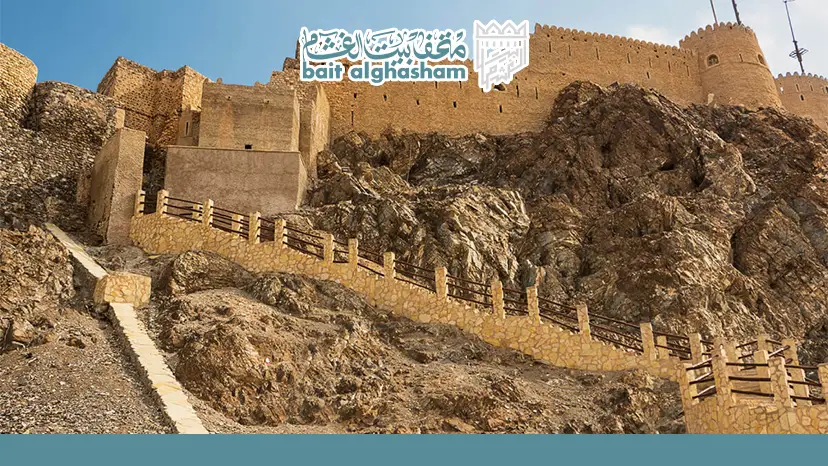
The architectural design of Mutrah Fort Oman is a profound masterclass in adapting military fortification to a hostile, vertical landscape. Rather than fighting the terrain, Omani and Portuguese engineers utilized the natural rock formations as a foundation, making the fortress a physical extension of the mountain itself. This seamless integration provided a structural strength that made it nearly impossible to breach from the sea.
- The Strategic Trio of Circular Towers: The fort is anchored by three massive circular towers, strategically staggered at different elevations. This layout was not merely aesthetic; it provided a 360-degree interlocking field of fire. The uppermost tower, perched on the highest pinnacle, served as the primary command center. Its walls were constructed with extreme thickness specifically to absorb the violent kinetic recoil of heavy bronze cannons, preventing the stone from cracking under the pressure of continuous firing.
- Traditional Sustainability: The Power of Sarooj: The durability of the fort is attributed to the use of Omani Sarooj—a legendary traditional mortar made from a precise mixture of lime, clay, and ash. Unlike modern cement, Sarooj breathes and hardens over centuries, making it exceptionally resistant to the intense coastal humidity and salt spray of the Muscat harbor. By using stone quarried directly from the mountain, the fort’s exterior mimics the texture and color of the cliffside, providing a natural form of visual camouflage from a distance.
- Advanced Defensive Platforms & Embrasures: The fort’s architecture is defined by its expansive defensive platforms, or “merlons,” which provided a stable base for the heavy battery of cannons. Between these platforms, the high walls are punctuated with narrow “murder holes” (Marami). These vertical slits allowed defenders to pour boiling liquids or fire small arms at invaders attempting to scale the cliffs, while keeping the garrison completely shielded from incoming projectiles.
- Tactical Verticality and Stone Stairways: The internal structure is a complex labyrinth of narrow stone staircases and steep ramps. This design was a deliberate tactical hurdle; it forced invaders into “choke points,” where they could only ascend in single file, making them easy targets for the guards stationed at the intermediate bastions. This vertical design ensures that even if the lower gates were breached, the upper summit remained a secure, defensible stronghold.
From the high battlements of Mutrah, you can spot the iron-clad silhouette of Al Jalali Fort Muscat, a legendary cliffside stronghold that remains one of the most iconic symbols of Omani coastal sovereignty.”
A 360-Degree Panoramic View of the Corniche
The view from Mutrah Fort is the finest in the capital, offering a sense of mastery over time and space:
- The Golden Sunset: As the sun dips behind the Muscat mountains, the fort is bathed in gold, and the lights of the Corniche reflect beautifully on the Gulf waters.
- Mountain and Sea Embrace: To the landward side, you see the craggy mountains cradling the old city; to the sea, the elegant curve of the Corniche with its colorful mosque domes and traditional dhows.
Top Features Inside Mutrah Fort: An Open-Air Museum of Maritime Might
Exploring Mutrah Fort from the inside is a journey through a meticulously preserved “living museum” of ancient military architecture. Every corner of the stronghold tells a story of naval strategy and the relentless protection of the Muscat coastline.
- The Battery of Antique Cannons: The fort’s most commanding feature is its collection of massive antique cannons. These heavy artillery pieces remain in their original “embrasures” (firing slots), aimed directly at the harbor entrance. Many of these cannons are historical relics in their own right—forged from iron and bronze—bearing intricate Portuguese, British, and Omani inscriptions. These emblems reveal their origin and age, standing as silent, powerful witnesses to the fierce naval skirmishes that once took place in the Gulf of Oman.
- The High Towers & Sentinel Platforms: The fort is anchored by three primary circular towers that serve as the ultimate 360-degree observation decks. The highest tower, situated at the fort’s absolute pinnacle, provides a bird’s-eye view that spans from the majestic Al Hajar Mountains to the deep blue horizon of the sea. These towers were designed with double-thick stone walls to protect the garrison from incoming naval fire while allowing sentinels to communicate via light signals with [Mirani Fort] and [Jalali Fort].
- The Labyrinth of Stone Staircases: Connecting the different levels of the fortress is a complex system of narrow stone staircases and steep ramps. This was a deliberate “architectural trap.” The stairs were designed to be uneven and winding to disorient and hinder invaders, forcing them to ascend in single file. For the modern visitor, these passages offer an authentic glimpse into the daily life of a soldier, leading to hidden storage rooms once used for gunpowder and dried provisions.
- The Guard Rooms and Command Posts: Inside the interior chambers, you can explore the rugged stone rooms that once housed the fort’s permanent garrison. These rooms feature small ventilation slits designed to keep the air moving in the sweltering Muscat heat without compromising the fort’s structural integrity. These spaces now often house informative plaques that detail the fort’s evolution from a 16th-century Portuguese outpost to a symbol of Omani sovereignty.
- Panoramic Courtyards: Between the towers lie open-air courtyards that once served as assembly points for the military. Today, these platforms are the ultimate spot for photography, offering a stunning contrast between the ancient, weathered mountain stone and the modern, vibrant cruise ships docked in the port below.
The strategic integration of Mutrah into the capital’s defense network ensures that every [Muscat Fort works in harmony, creating an impenetrable chain of watchtowers from the mountains to the sea.”
Tourist Activities at Mutrah Fort
A visit to Mutrah Fort is far more than a simple walk through ancient corridors; it is a multi-sensory experience that connects you to the vibrant pulse of Muscat’s history. From the peaks of the towers to the bustling alleys at its feet, the fort offers a variety of activities for every type of traveler.
- Mastering the Art of “Golden Hour” Photography: For visual storytellers, the fort serves as the ultimate “Omani canvas.” Its elevated platforms offer a 360-degree panoramic view that is second to none in the capital. The absolute best time for Mutrah Fort photos is during the “Golden Hour”—the final 45 minutes before sunset. As the sun dips behind the craggy Al Hajar Mountains, the fort’s stone walls turn a deep amber, providing a cinematic backdrop against the white domes of the Corniche and the sapphire waters of the Gulf.
- The “Heritage Triangle” Tour (Corniche & Souq): One of the best ways to experience the fort is by making it the centerpiece of a Mutrah Corniche and Souq tour. After descending from the battlements, you are just a five-minute walk away from the legendary Mutrah Souq. This allows you to transition from the silent majesty of military history to the aromatic, bustling atmosphere of the market, where you can haggle for authentic Omani frankincense, intricate silver jewelry (Khunjars), and hand-woven textiles.
- Historical Immersion and Educational Reflection: Throughout the fort’s various levels, visitors will find expertly curated informative plaques. These displays narrate the gripping stories of the naval battles fought in these waters and the architectural evolution of the fort from a Portuguese outpost to an Omani stronghold. Taking the time to read these accounts allows for a moment of deep reflection on the sheer resilience required to build such a masterpiece on a vertical cliffside.
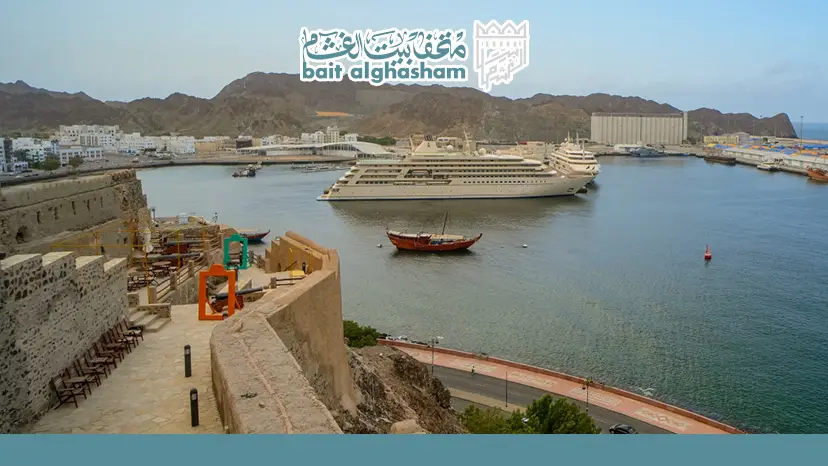
- Watching the Modern “Maritime Symphony”: From the fort’s sea-facing balconies, you can witness the fascinating contrast between Muscat’s past and future. You can observe traditional Omani dhows (wooden fishing boats) gliding past massive international cruise ships and royal yachts docked at Port Sultan Qaboos. This unique vantage point highlights Oman’s enduring status as a global maritime hub.
- The Climb for Fitness and Views: For those who enjoy an active lifestyle, the ascent to the highest tower is a rewarding physical challenge. The stone steps lead you through a series of “bastions” or rest points, each offering a slightly different perspective of the city below. It is the perfect way to burn some energy while being rewarded with the freshest sea breezes and the most iconic views in the Sultanate
In contrast to the coastal stone walls of Mutrah, the interior is home to Nizwa Fort, famous for its massive cylindrical tower and deep foundations that protected the ancient cultural capital of the Sultanate
Best Time to Visit & Travel Tips
The Golden Hour: Winter (November to March) is the ideal season for pleasant weather. To capture the perfect sunset over the harbor, we recommend visiting in the late afternoon.
Mutrah Fort opening hours: The fort generally welcomes visitors from 8:00 AM to 8:00 PM (Saturday to Thursday), and on Fridays from 8:00 AM to 11:00 AM and 1:30 PM to 8:00 PM. It is always wise to arrive at least an hour before closing to fully explore the battlements.
Preparation: The fort requires climbing several stone steps; ensure you wear comfortable shoes and stay hydrated.
Mutrah Fort tickets: A small entry fee applies at the gate, which directly supports the ongoing maintenance of Omani archaeological sites.
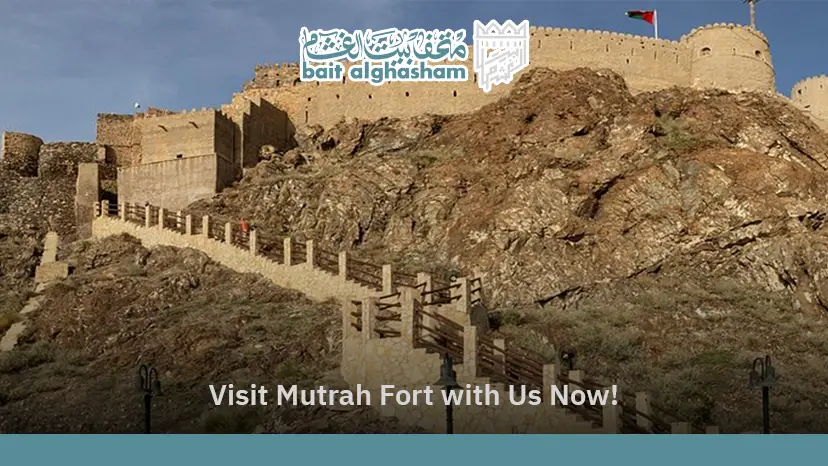
Don’t miss the most beautiful view in Muscat!
Book your tour now with (Bait Al Ghasham Group) and enjoy the magical sunset from the highest peak of Mutrah Fort. Capture unforgettable photos and live the details of Omani history in the heart of the capital.
Frequently Asked Questions About Mutrah Fort
1. Why is Mutrah Fort important?
Mutrah Fort is historically significant as the “Eye of Muscat,” serving for centuries as the primary guardian of Oman’s most vital commercial harbor. Its strategic importance lies in its role as a coastal defense stronghold that protected the Mutrah Souq and the capital’s sea lanes from maritime invasions. Today, it is a key site for archaeological tourism, representing the transition of Omani military architecture from the 16th century to the modern era.
3. Is Mutrah Fort open to tourists?
Yes, Mutrah Fort is open to tourists and the general public. After undergoing a major professional restoration, it was reopened as a “living museum.” Visitors can explore its towers, stone passages, and cannon platforms. To plan your trip, always check the Mutrah Fort opening hours, which typically run from 8:00 AM to 8:00 PM (with a mid-day break on Fridays for prayers).
4. What can you see from Mutrah Fort?
From the summit of Mutrah Fort, you can see a spectacular 360-degree panoramic view of Muscat. Looking out to sea, you have a clear view of Port Sultan Qaboos and the Gulf of Oman. Looking inland, you can see the entire curve of the Mutrah Corniche, the colorful domes of the city’s mosques, the traditional white Omani houses, and the rugged peaks of the Al Hajar Mountains.