
Salalah, often referred to as the “Perfume Capital of Arabia,” offers a travel experience that stands in stark contrast to the typical desert landscape of the Gulf. From its mist-covered mountains to its ancient frankincense ports, the variety of tourist attractions in Salalah makes it a year-round destination for adventurers, history buffs, and families alike.
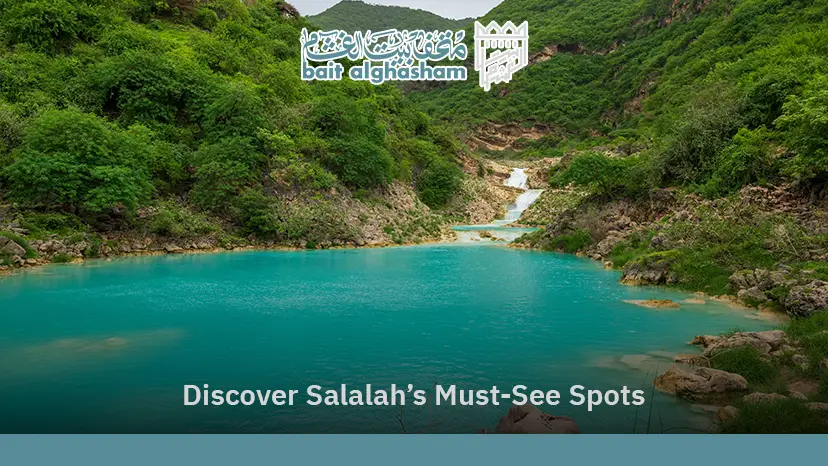
Overview of Salalah as a Tourist Destination
What makes Salalah unique is its seasonal transformation. During the Khareef (monsoon), the region becomes a verdant oasis, while the rest of the year offers perfect beach weather and clear skies. For anyone looking for diverse places to visit in Salalah, the city provides a seamless blend of tropical vibes, rich maritime history, and authentic Omani hospitality.
Natural Wonders in Salalah
The natural attractions in Salalah are undoubtedly the main draw for international and local visitors, especially during the Khareef season when the desert landscape undergoes a miraculous transformation. From mist-shrouded peaks to hidden turquoise springs, these are the top tourist attractions in Salalah for nature enthusiasts:
- Wadi Darbat: Often called the jewel of the Dhofar region, this valley is one of the most famous tourist attractions in Salalah. It features a spectacular natural lake where visitors can enjoy boat rides, surrounded by lush green hills and seasonal waterfalls that cascade dramatically into the valley. It is a quintessential spot for Salalah sightseeing.
- Jabal Samhan: As the highest point in the Dhofar mountain range, reaching over 2,100 meters, this limestone plateau offers a breathtaking “view above the clouds.” It is a must-see for Salalah sightseeing, providing a dramatic vantage point where the mountains meet the mist, often home to the rare Arabian leopard.
- Ayn Athum: Renowned for having one of the most beautiful waterfalls in Oman, this site is a favorite for nature photographers. The water falls in delicate, lace-like curtains against a backdrop of dense greenery, making it one of the most photographed natural attractions in Salalah during the monsoon.
- Ayn Khor: A hidden gem located on the western side of the city. During the peak of Khareef, it reveals a stunning turquoise pool fed by a powerful white waterfall. It is a top choice for those looking for serene places to visit in Salalah away from the main crowds.
- Mughsail Blowholes (Marneef Cave): A spectacular display of nature’s power where the sea forcefully erupts through natural vents in the limestone cliffs. These blowholes can shoot water up to 30 meters high, creating a thrilling experience that ranks high among natural attractions in Salalah.
- Ayn Sahalnoot: Located in the Sahalnoot valley, this spring is famous for its striking limestone formations and clear blue waters. It is one of the most accessible tourist attractions in Salalah, surrounded by walking paths and picnic spots perfect for families.
- Shaat Hidden Beach & Cliffs: For those seeking raw, untouched beauty, the cliffs of Shaat offer a “standing at the edge of the world” feeling. The dramatic drop into the Arabian Sea and the sight of clouds rolling over the cliffs make it one of the most majestic natural attractions in Salalah.
- The Baobab Trees of Dhofar: A unique botanical wonder located near Wadi Hinna. These ancient, giant trees are a biological link to Africa and are among the most peculiar places to visit in Salalah for nature lovers and botanists.
Historical Sites and Heritage Landmarks
The region is steeped in ancient lore, offering a window into a time when Oman was the global hub for the incense trade. Explorers and history enthusiasts looking for historical sites Salalah will find plenty of ancient ruins and preserved monuments to uncover:
- Al Baleed Archaeological Park (UNESCO World Heritage Site): As the most prominent of the historical sites Salalah offers, this park was once the medieval port of Zafar. Visitors can walk through the ruins of grand mosques and palaces that date back to the 8th century. It is also home to the Museum of the Frankincense Land, which is essential for understanding the maritime and trade history of the region.
- Sumhuram (Khor Rori): This ancient fortified city and port dates back to the 3rd century BC. Once the center of the global frankincense trade, Sumhuram is one of the most significant historical sites Salalah has to offer. Perched beautifully over a freshwater lagoon, the ruins include city walls, a temple, and ancient storage rooms where frankincense was once kept before being shipped to Rome and India.
- Prophet Job’s Tomb (Nabi Ayoub): Perched high in the mist-covered mountains of Jabal Al Qara, this site is a significant spiritual landmark and one of the most serene places to visit in Salalah. It is an interfaith pilgrimage site revered by Muslims, Christians, and Jews, offering both religious history and spectacular panoramic views of the green plains below.
- Taqah Castle: A well-preserved 19th-century fort that offers a glimpse into the traditional administrative life of the region. Unlike larger military forts, Taqah Castle serves as a residential museum, showcasing the Oman lifestyle and culture through its authentic living quarters, traditional kitchens, and collections of antique silver and weaponry.
- Mirbat Old Town and Castle: For those tracking historical sites Salalah and its surroundings, Mirbat is a must-see. The town is famous for its historic merchant houses with intricately carved wooden doors and its 19th-century castle which played a role in the Battle of Mirbat. Nearby lies the white-domed Tomb of Bin Ali, a masterpiece of medieval Islamic architecture.
- Prophet Umran’s Tomb: Located in the heart of the city, this site features one of the longest graves in the world (approx. 30 meters). It is a peaceful spot and an important stop for those interested in the religious and historical sites Salalah is known for.
- The Lost City of Ubar (Shisr): Though it requires a trip into the desert, the ruins of Shisr (the legendary “Atlantis of the Sands”) are a vital part of the UNESCO-listed Frankincense Trail. This outpost was a crucial watering hole for caravans crossing the Rub’ al Khali, making it one of the most adventurous historical sites Salalah travelers can explore.
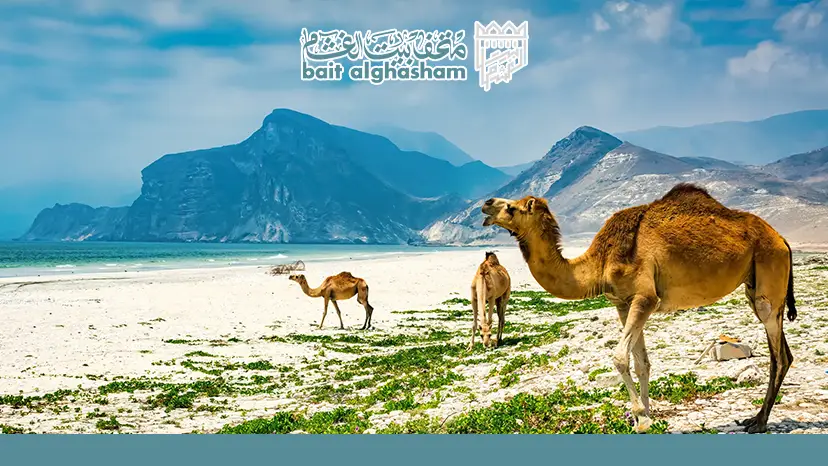
Famous Beaches and Coastal Areas
The coastline of Dhofar is home to some of the most dramatic natural attractions in Salalah. From the rugged limestone cliffs of the west to the serene, palm-fringed shores of the east, the beaches here offer a tropical escape that is unique to the Arabian Peninsula.
- Al Mughsail Beach: Spanning several kilometers, this is arguably the most famous of all tourist attractions in Salalah. It is celebrated for its vast stretch of powdery white sand and the majestic Marneef Cave. The cave’s limestone overhang provides a perfect natural shelter where visitors can sit and admire the crashing waves of the Arabian Sea.
- The Mughsail Blowholes: Located just a short walk from Marneef Cave, these natural vents are a highlight for Salalah sightseeing. During high tide and the Khareef season, the sea pressure forces water through these hollows in the rock, shooting spectacular geysers up to 30 meters into the air. It is one of the most thrilling natural attractions in Salalah for families and photographers.
- Fazayah Beach: Often described as a “hidden gem,” Fazayah is accessible via a thrilling, winding mountain road. It is one of the most pristine places to visit in Salalah, offering crystal-clear turquoise waters and soft sands framed by rugged cliffs. It is the ideal spot for those seeking a quiet, “off-the-beaten-path” coastal experience.
- Taqah Beach: Located in the charming fishing village of Taqah, this beach is one of the top tourist attractions in Salalah for watching traditional Omani life. You can often see local fishermen casting their nets or white flamingos gathering in the nearby lagoons. The beachfront is lined with traditional stone houses, adding to its authentic Oman lifestyle and culture.
- Raysut & Dahariz Beach: For those staying near the city center, Dahariz Beach offers a beautiful long promenade lined with coconut trees and vibrant fruit huts. It is one of the most accessible natural attractions in Salalah for an evening stroll or a sunset dinner by the shore.
- Mirbat Coastal Cliffs: Further east, the coastline becomes more rugged. The cliffs near Mirbat offer dramatic views of the sea and are among the best places to visit in Salalah for spotting dolphins or enjoying the raw, unpolished beauty of the Dhofar coast.
- Shaat Hidden Beach: Perched at the foot of the massive Shaat cliffs, this secluded cove is one of the most majestic natural attractions in Salalah. The contrast between the towering mountains and the deep blue sea creates a landscape that feels like the edge of the world.
Museums and Cultural Centers
To truly understand the “Land of Frankincense,” you must visit its cultural hubs.
- The Land of Frankincense Museum: Located within Al Baleed Archaeological Park, this is one of the premier tourist attractions in Salalah, showcasing Oman’s maritime prowess and archaeological treasures.
- Sultan Qaboos Mosque: A grand display of Islamic architecture and a central landmark for any Salalah sightseeing tour.
Local Markets and Shopping Experiences
No trip is complete without taking home a piece of Dhofar.
- Haffa Souk: The ultimate destination for authentic frankincense, handmade perfumes, and traditional Omani crafts.
- Fruit Stalls: Visiting the tropical fruit huts for fresh coconut water is one of the most iconic places to visit in Salalah.
Parks and Outdoor Activities
For those seeking relaxation or light exercise, the city offers several green spaces and recreational areas that perfectly blend leisure with the region’s unique geography. These spots are essential tourist attractions in Salalah for anyone looking to unwind or stay active.
- Ittin Park & Plain: This expansive green area is a popular spot for local families and tourists to enjoy picnics under the mist during the Khareef season. Located on the foothills of the mountains, it offers fresh air and dedicated BBQ areas. It is one of the most accessible places to visit in Salalah for a relaxing evening, often featuring pop-up food stalls serving traditional Dhofari “Mudhbi” meat.
- Adventure Trekking in the Dhofar Mountains: For those who prefer a more active pace, the mountains of Dhofar provide numerous trails for hikers looking to explore natural attractions in Salalah on foot. From the rugged paths of Jabal Samhan to the lush, canopy-covered trails of Wadi Darbat, trekking allows you to see rare flora and fauna up close, far away from the standard Salalah sightseeing routes.
- The Coconut & Banana Plantations: Often described as “green lungs” within the city, wandering through these tropical groves is a tranquil outdoor activity. Many visitors enjoy walking through the pathways between the towering palms, making it one of the most refreshing natural attractions in Salalah for a morning stroll.
- The Waterfront Promenade (Dahariz Beach): A beautifully developed coastal walkway that is perfect for jogging or a long walk. With its palm-shaded benches and nearby cafes, it has become a staple for tourist attractions in Salalah, offering a safe and scenic environment for outdoor exercise while listening to the waves of the Arabian Sea.
- Tawi Attair Sinkhole (The Well of Birds): For birdwatchers and nature enthusiasts, this massive natural sinkhole is a must-see. It is one of the deepest in the world and offers a unique outdoor experience where you can listen to the echoes of thousands of birds nesting in the limestone walls—a true highlight among the natural attractions in Salalah.
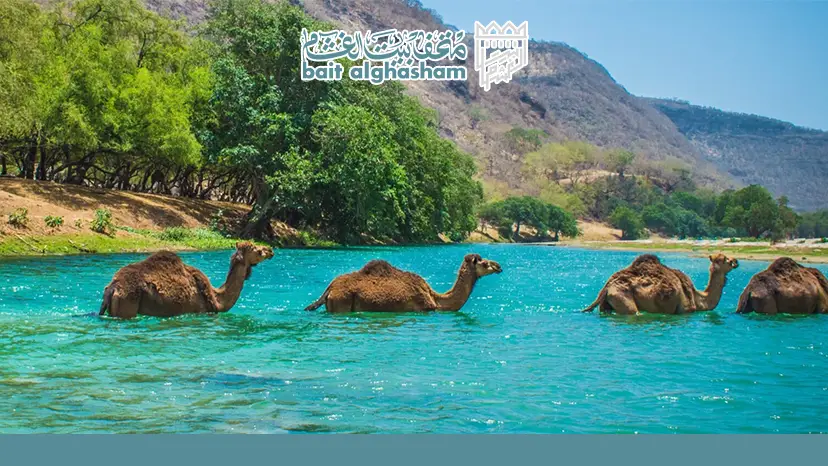
Day Trips and Excursions Around Salalah
If you have extra time to venture beyond the city limits, these excursions are highly recommended. They offer a deeper connection to the wild landscapes and ancient mysteries that define the region’s tourist attractions in Salalah.
- The Empty Quarter (Rub’ al Khali): A journey into the world’s largest continuous sand desert is a bucket-list experience. This vast sea of golden dunes is home to the legendary “Lost City of Ubar” (Shisr), a UNESCO World Heritage site and a vital addition to your list of historical sites Salalah. Exploring these desert ruins allows you to walk the same paths as the ancient frankincense caravans.
- Mirbat: The Ancient Port Town: Located about an hour’s drive east, Mirbat is a charming coastal town that feels frozen in time. It is famous for its historic merchant houses featuring intricately carved Dhofari woodwork. A visit to the white-domed Bin Ali’s Tomb is essential, as it stands as one of the most iconic medieval historical sites Salalah has preserved.
- Wadi Hinna & The Baobab Trees: For a unique natural excursion, head towards the mountains near Mirbat to see the ancient Baobab trees. These giant, prehistoric-looking trees are rare botanical tourist attractions in Salalah, creating a landscape that feels more like the African savannah than the Arabian Peninsula.
- Hasik and the Natif Waterfalls: If you are looking for a longer coastal drive, the route to Hasik offers some of the most dramatic cliffside views in Oman. The Natif waterfalls, where freshwater constantly drips from the limestone cliffs into the turquoise sea, are among the most serene natural attractions in Salalah and its surroundings.
- The Sinkhole of Teeq & Tawi Attair: Known as the “Well of Birds,” Tawi Attair is one of the deepest sinkholes in the world. It is a spectacular site for Salalah sightseeing, especially for birdwatchers and those interested in the unique geological formations that make up the tourist attractions in Salalah.
- Mughsail to Fazayah Coastal Drive: This is arguably one of the most beautiful drives in the world. The “Zig-Zag” road climbs steeply over the mountains, offering bird’s-eye views of the hidden beaches below. It is the ultimate way to discover the rugged natural attractions in Salalah that remain untouched by modern development.
Festivals and Seasonal Events
- Salalah Tourism Festival: Held during the Khareef, this festival celebrates traditional Oman culture with folk dances, traditional food, and international performances, making it the peak time for tourist attractions in Salalah.
Tips for Visiting Salalah Attractions
- Transport: Renting a 4WD is the best way to access remote natural attractions in Salalah.
- Timing: Visit during the Khareef (July–August) for greenery, or between October and March for perfect beach weather.
- Etiquette: Dress modestly when visiting historical sites Salalah and religious landmarks.
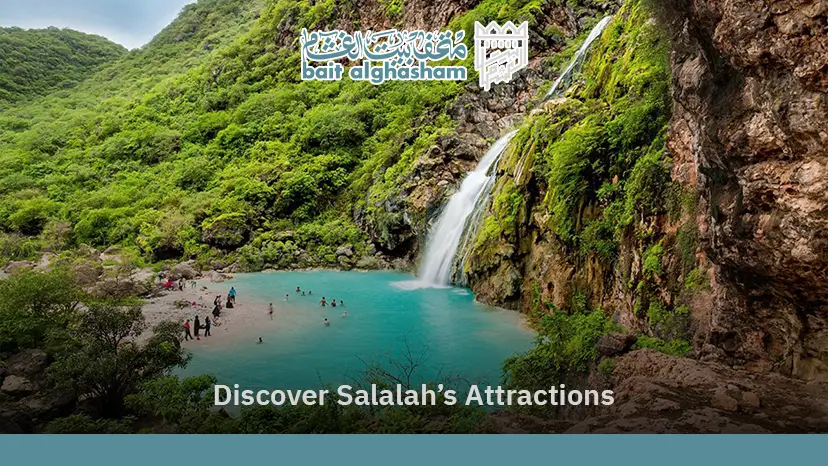
Discover Salalah’s Best Attractions – Don’t Miss Out
From the aromatic souks to the mist-shrouded peaks, the tourist attractions in Salalah offer a unique escape from the ordinary. Whether you are exploring the ruins of ancient civilizations or relaxing by a waterfall, Salalah promises an unforgettable Arabian adventure.
FAQ about tourist attractions in salalah
What are the must-visit tourist attractions in Salalah?
The top tourist attractions in Salalah include a mix of nature and history. Wadi Darbat is essential for its lush greenery and waterfalls, while the UNESCO-listed Al Baleed Archaeological Park and Sumhuram are the primary historical sites Salalah is famous for. Don’t miss the dramatic Mughsail Blowholes and the spiritual serenity of Prophet Job’s Tomb.
Which attractions are suitable for families?
Salalah is a very family-friendly destination. Ittin Park and Dahariz Beach are perfect places to visit in Salalah for picnics and evening strolls. Families also enjoy the tropical fruit huts for fresh coconut water and the boat rides at Wadi Darbat. For an educational experience, the Land of Frankincense Museum offers interactive insights into traditional Oman culture.
What is the best time of year to visit Salalah?
The most popular time is the Khareef season (late June to early September), when the natural attractions in Salalah turn emerald green and the weather is misty and cool. However, if you prefer clear blue skies and birdwatching, the winter months (October to March) are ideal for Salalah sightseeing and beach activities.
Can visitors explore waterfalls and mountains around Salalah?
Yes, absolutely. Exploring the rugged natural attractions in Salalah is a highlight of the trip. During the Khareef, you can visit spectacular waterfalls like Ayn Athum and Ayn Khor. The mountains, such as Jabal Samhan and Jabal Ittin, offer stunning “above the clouds” views and are accessible via well-paved winding roads.
Are guided tours available for Salalah attractions?
Yes, there are many professional guided tours available. Most agencies offer specialized “East Salalah” and “West Salalah” itineraries. A guide is highly recommended for visiting remote historical sites Salalah or the Empty Quarter (Rub’ al Khali) to ensure you get the most out of your Salalah sightseeing experience with local stories and expert navigation.