
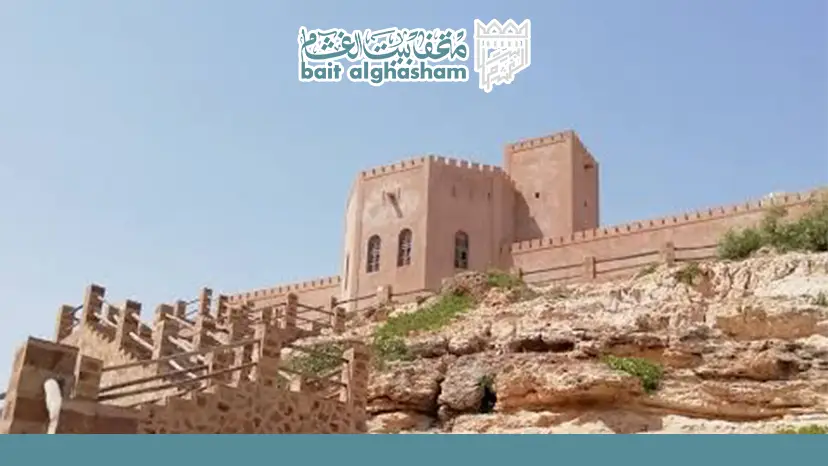
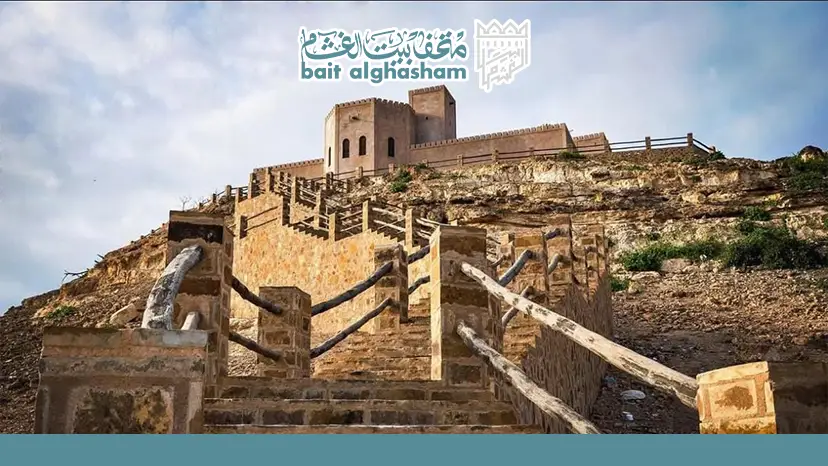
Located 30 kilometers east of Salalah in the Taqa Wilayat, Taqa Castle is a prominent 19th-century coastal stronghold in southern Oman. Originally built as a private tribal residence and later used as the Governor’s (Wali’s) official seat, the castle is now a beautifully restored museum showcasing traditional Dhofari architecture, cultural heritage, and regional history.
Taqa Castle’s History and Defensive Role
Constructed in the 19th century by Sheikh Ali bin Timman Al Ma’shani, Taqa Castle initially served as a fortified private manor house designed to protect the local chief, his extended family, and the surrounding coastal community:
- Administrative Residence of the Wali: In the early 20th century, during the reign of Sultan Taimur bin Feisal, the castle was officially acquired by the state and converted into the official headquarters for the governor (Wali) of Taqa. It functioned as the civic heart of the town for decades—serving as a courthouse, taxation office, and municipal hub—and remained active as an administrative center until the 1980s.
- Defensive Guard Duty and Coastal Surveillance: High limestone walls, raised corner watchtowers, and parapets fitted with musket embrasures provided vital tactical oversight against potential seaborne raids, smuggling, and inter-tribal disputes. The elevated upper towers offered command post vantage points with 360-degree views stretching across the Arabian Sea, the fishing harbor below, and the trade tracks leading inland toward the Qara Mountains.
- Armory and Storage Capacity: To withstand potential blockades or local unrest, the lower levels of the stronghold featured fortified storehouses for grain, dried fish, and fresh water, alongside a dedicated armory equipped with cannons, matchlock rifles, traditional Omani daggers (khanjars), and swords.
- Museum Restoration and Heritage Preservation: In 1994, the Ministry of Heritage and Culture undertook a comprehensive restoration of the structure using authentic local materials, converting it into a public ethnographic museum. Today, visitors can tour restored living quarters, the Wali’s private reception hall (majlis), administrative courtrooms, traditional kitchens, and exhibit rooms showcasing historical household artifacts, clothing, and weaponry.
Its Architectural Style Distinct From Interior Forts
While northern Omani forts (such as Nizwa or Bahla) are renowned for massive mud-brick towers and immense siege ramparts, Taqa Castle showcases Dhofar’s coastal defensive architecture:
- Local Limestone Construction: Built using regional Taqa stone—a porous local limestone cut from nearby quarries—the structure naturally reflects the soft golden hues of the coastal landscape while offering excellent durability against marine humidity.
- Woodwork and Decoration: The interior rooms feature intricate wood carvings, imported Indian teak doors, and ceilings made of woven palm fronds (da’an) and mangrove beams. Red and blue geometric motifs decorate the living quarters, reflecting distinct Dhofari decorative arts.
- Residential Focus: Unlike purely military strongholds, the castle’s layout balances defense with domestic comfort. Courtyards, high windows designed for sea breezes, and separate family quarters emphasize its dual role as a administrative fort and a refined seaside manor.
Its Proximity to Taqa Beach and Wadi Darbat
One of the main reasons travelers visit Taqa Castle is its ideal geographic positioning near some of Dhofar’s most stunning natural and historical attractions:
- Taqa Beach: Located just a few minutes’ walk from the castle, Taqa Beach features a long stretch of white sand, traditional fishing boats (dhows), and a elevated cliffside viewpoint (Taqa Plateau) that overlooks the entire bay and coastline.
- Nearby Wadi Darbat: Situated just 15 minutes inland, nearby Wadi Darbat is Dhofar’s premier natural valley. Famous for its lush seasonal waterfalls, freshwater lakes, kayaking spots, and roaming camels, pairing the castle with a trip to the wadi creates a balanced cultural and nature itinerary.
- Khor Rori & Sumhuram Archaeological Park: Located a short drive east, this UNESCO World Heritage site protects the ancient port where Omani frankincense was shipped across the ancient world, allowing visitors to experience both 19th-century and ancient Omani history in a single trip.
Plan Your Southern Itinerary:
Adding this coastal stronghold to your travel itinerary connects seamlessly with other top [places to visit in Salalah](%20https://baitalghasham.com/en/tourism-in-the-oman/tourism-in-salalah/), including nearby wadis, blowholes, and mountain viewpoints.
Best Time to Visit as Part of a Dhofar Tour
Planning your excursion to Taqa Castle depends on the climate and experience you seek:
- Khareef Season (July to September): During the monsoon season, the surrounding mountains turn emerald green, and the coastal climate cools significantly. The castle’s stone walls stand against a dramatic backdrop of mist and soft rain, making it an atmospheric stop during peak summer travel.
- Winter Season (October to April): The post-monsoon winter months offer clear blue skies, pleasant temperatures (25°C to 28°C), and calm seas. This season is ideal for exploring the open-air courtyards, walking to the beach, and enjoying photography without heavy rainfall.
- Opening Hours and Etiquette: The castle is typically open to visitors Saturday through Thursday from 8:00 AM to 4:00 PM, and Fridays from 8:00 AM to 11:00 AM. Visitors are encouraged to dress modestly out of respect for local traditions.
Explore Dhofar’s Premier Destinations:
Discover coastal lagoons, mountain springs, and historic sites by exploring premier places to visit in Salalah during your trip to the south.
The Daily Life and Domestic Quarters Inside the Castle
Beyond its military and administrative functions, Taqa Castle provides a rare, intimate look into the everyday lives of Dhofari families, household staff, and regional governors during the 19th and 20th centuries:
- The Wali’s Private Living Quarters: Located on the upper level to capture refreshing coastal sea breezes, the governor’s family quarters feature traditional wooden canopy beds, hand-embroidered Omani textiles, brass oil lamps, and imported ceramic cookware. These artifacts showcase the historical trade links connecting Dhofar with India, East Africa, and Zanzibar.
- Traditional Kitchens and Storage Rooms: The ground floor contains authentic baking ovens (tandoors), basalt grain grinding stones (raha), and giant terracotta vessels (zeer) used for storing dried shark, coconut oil, dates, and local frankincense. These rooms highlight the self-sufficient lifestyle required to sustain the castle’s residents through long seasons.
- The Judicial Holding Area (Al-Sijn): A small, heavily secured holding room on the lower level illustrates how local justice was administered directly by the Wali. Before the establishment of modern Omani judicial systems, regional governors resolved civil disputes, enforced laws, and detained offenders within the castle walls.
- Servants’ Quarters and Utility Rooms: Adjacent to the main storage units, smaller rooms housed household staff and guards, complete with traditional weaving looms and utility tools that reveal the daily labor required to maintain the governor’s estate.
Discover Ancient History and Heritage:
Visiting coastal strongholds and UNESCO World Heritage trade ports provides a fascinating gateway into the rich world of archaeological tourism in Oman.
Photography Tips and Best Viewpoints
Capturing the beauty of Taqa Castle requires taking advantage of its unique coastal elevation and surrounding landscapes:
- The Castle Courtyard: The central open-air ground courtyard, with its white limestone walls and coconut palm overhangs, offers excellent natural light for architectural photography.
- The Roof Viewpoint: Climbing to the roof of the main tower provides a magnificent panoramic shot combining the castle’s traditional battlements in the foreground with the turquoise waters of the Arabian Sea in the background.
- Golden Hour Lighting: Visiting about an hour before sunset allows the soft golden light to highlight the warm tones of the local Taqa stone walls.
Study Regional Building Styles:
Unlike the massive inland clay fortresses of the north, this coastal site offers a unique perspective on Omani Fort Architecture, utilizing regional limestone and maritime wooden accents.
Nearby Dining and Local Hospitality in Taqa
Visiting Taqa Castle offers an excellent opportunity to experience authentic regional seafood, traditional Dhofari flavors, and warm coastal hospitality right in the surrounding town:
- Local Seafood Restaurants: Small, family-run eateries situated near Taqa Beach specialize in freshly caught Arabian Sea fish, including grilled kingfish, tuna, Emperor fish (Sheri), and crispy fried sardines. These dishes are traditionally served with fragrant spiced Omani rice (Kabsa or Machboos), fresh lime, and house-made hot sauces.
- Fresh Coconut and Tea Stalls: Shaded fruit stands and mobile tea vendors located around the castle grounds and along the beach road sell chilled green coconuts (Mashli) cut fresh to order. They also brew traditional Omani karak tea spiced with cardamom, saffron, and ginger—perfect for a refreshing roadside stop.
- Traditional Dhofari Barbecue: In the late afternoons and evenings, roadside grills around the town center serve Kak (traditional stone-baked bread) alongside tender grilled meats cooked over hot mountain stones, offering travelers a taste of authentic local culinary traditions.
Explore Historical Royal Residences:
Travelers fascinated by traditional Omani residences can visit Bait Al Ghasham, a restored 200-year-old mud-brick royal mansion in South Al Batinah that highlights regional domestic life and craftsmanship.
Frequently Asked Questions About Taqa Castle
What makes Taqa Castle architecturally distinct?
Taqa Castle stands out because it uses local coastal limestone (Taqa stone) rather than the mud-brick typical of northern Omani forts. Additionally, it was designed primarily as a fortified residential manor and governor’s seat (Wali’s residence), featuring imported Indian teak wood, woven palm frond ceilings, and coastal decorative motifs that reflect Dhofari architectural style.
Is it close to Taqa Beach?
Yes, Taqa Castle is located within short walking distance of Taqa Beach. The castle sits right in the town center of Taqa, just a few minutes on foot or a short 1-to-2-minute drive from the white sands, fishing harbor, and coastal promenade.
Can it be combined with Wadi Darbat?
Yes, combining Taqa Castle with Wadi Darbat is one of the most popular travel itineraries in Dhofar. Wadi Darbat is located just 15 minutes inland from the castle, making it seamless to explore the castle in the morning and spend the afternoon enjoying the wadi’s natural waterfalls, freshwater lakes, and mountain scenery.