
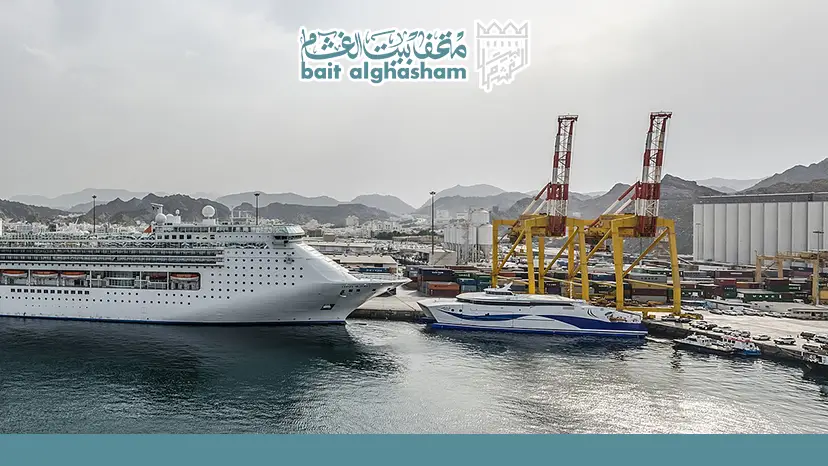
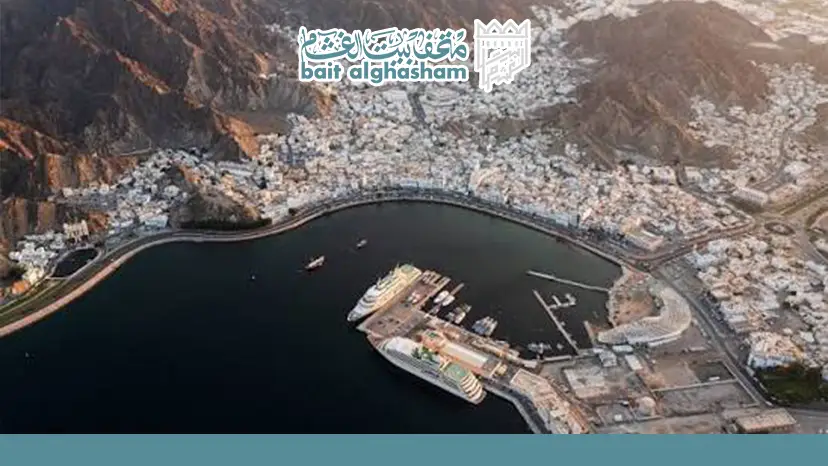
Situated at the heart of the capital’s historic coastline, Sultan Qaboos Port Muscat has served as Oman’s premier maritime bridge between East and West for decades. Sheltered by dramatic dark volcanic mountains and overlooking the Gulf of Oman, Old Mutrah harbor stands as an enduring symbol of the nation’s rich nautical traditions. From its early days as a vital trading hub to its modern transformation into a world-class cruise ship destination, the port remains a central highlight of Muscat’s scenic seafront.
The Port’s Historic Role in Maritime Trade
The deep waters of Old Mutrah harbor have drawn merchants, sailors, and global trading fleets for centuries, serving as a primary intersection for regional and international commerce:
Ancient Trading Roots and Maritime Crossroads
Historically, the natural sheltered bay of Muscat provided a crucial stopover along ancient Silk Road maritime routes. Arab dhows, Portuguese merchant vessels, and international traders utilized the harbor to exchange Omani frankincense, dried dates, copper, spices, and textiles across the Indian Ocean, linking Persia, India, East Africa, and the Arabian Peninsula.
Development of the Historic Container Terminal
Opened in 1974 under the modernizing vision of Sultan Qaboos bin Said, Mina Sultan Qaboos was established as Oman’s pioneer commercial deep-water facility. For four decades, the historic container terminal operated as the economic lifeline of the Sultanate, handling heavy containerized freight, industrial commodities, consumer imports, and commercial shipping necessary for the nation’s rapid infrastructure growth.
The Port’s Evolution Through the Ages
To protect the historic character of Mutrah, alleviate urban traffic congestion in central Muscat, and modernize industrial logistics, commercial cargo operations were officially relocated to Sohar Port in 2014. This strategic transition marked a major milestone in the port’s evolution through the ages, successfully converting Sultan Qaboos Port Muscat from an industrial freight hub into a dedicated waterfront destination for tourism, leisure, and maritime heritage.
Exploring the vibrant capital is an essential part of any itinerary, with historic harbors, royal palaces, and grand mosques serving as the most iconic places to visit in Muscat.
Its Shift Into a Cruise Ship Destination
Today, Sultan Qaboos Port Muscat is internationally recognized as the Sultanate’s luxury tourism gateway:
- Cruise Ship Arrivals: The port regularly welcomes international cruise ship arrivals from major global cruise lines during the winter sailing season, bringing thousands of passengers directly into the heart of historic Muscat.
- Modern Passenger Terminals: Updated visitor facilities offer streamlined immigration clearance, tourist information desks, taxis, and tour bus parking right at the pier.
- Vibrant Waterfront Atmosphere: Luxury yachts, traditional wooden Omani dhows, and large cruise vessels anchored against the dramatic mountain backdrop create a picturesque, bustling harbor scene.
Its Proximity to Mutrah Souq and the Two Forts
One of the greatest advantages of Sultan Qaboos Port Muscat is its walkable access to the capital’s most iconic historic landmarks:
- Mutrah Corniche & Souq: Located just steps from the port entrance, the paved Mutrah Corniche leads directly into Mutrah Souq—one of the oldest traditional bazaars in the Arab world, famous for frankincense, silver jewelry, Khanjars, and Omani textiles.
- Mutrah Fort: Perched high on a rocky outcrop overlooking the harbor, this 16th-century Portuguese fortress offers sweeping panoramic views of the entire port, the bay, and the surrounding mountains.
- Al Jalali and Al Mirani Forts: Positioned nearby in Old Muscat guarding the Sultan’s Palace (Al Alam Palace), these twin historic forts highlight the strategic military importance of Muscat’s natural harbor throughout history.
Stroll the Waterfront Promenade:
Located right outside the harbor gates, the scenic Mutrah Corniche Muscat offers visitors a beautifully paved seaside walkway lined with gazebos, cafes, and historic Portuguese forts.
Architectural Heritage and Modern Waterfront Developments
The transformation of Sultan Qaboos Port Muscat balances the preservation of historical charm with modern waterfront amenities:
- Restoration of Traditional Facades: The waterfront architecture along the harbor retains traditional Omani design elements, featuring whitewashed buildings, intricate wooden lattice windows (Mashrabiya), and arched walkways.
- The Waterfront Promenade: Modernized paved walkways and public seating allow residents and tourists to take evening strolls while admiring docked traditional dhows and luxury yachts against the backdrop of dark volcanic mountains.
Outdoor Activities Around the Harbor
Visitors to Sultan Qaboos Port Muscat can participate in a wide variety of maritime and recreational experiences directly along the scenic bay:
- Dhow Cruises and Sunset Excursions: Local tour operators offer traditional wooden dhow trips departing directly from the harbor waters. These relaxing coastal cruises allow passengers to view the dramatic Muscat coastline, natural rock formations, hidden coves, and historic Portuguese forts from an impressive sea-level perspective, with evening departures offering stunning sunset views.
- Photography and Scenic Viewpoints: The harbor is widely recognized as one of the most photographed waterfront destinations in the Sultanate. Enthusiasts can capture striking contrast shots between traditional dhows, luxury yachts, and cruise liners set against the dark volcanic mountains. The elevated observation towers at Mutrah Fort and the seaside Corniche gazebos provide unmatched vantage points during golden hour.
- Seaside Walking and Dining: The sprawling paved promenade along the bay provides a safe, scenic setting for morning jogs and relaxed evening walks. A collection of seaside cafes and traditional Omani restaurants line the waterfront, allowing guests to sample fresh local seafood, aromatic Omani coffee, and karak tea while enjoying the sea breeze.
Explore Traditional Bazaars:
Just steps across the coastal road lies the famous Old Mutrah Souq, one of the oldest markets in Oman, renowned for its winding timber-roofed alleys filled with frankincense, silver, and traditional crafts.
Visiting Tips for Cruise Travelers and Day-Trippers
Planning your day trip to Sultan Qaboos Port Muscat ensures a seamless and efficient experience when exploring the capital’s historic waterfront:
- Navigating the Pier Area and Local Transport: Taxis, tour buses, and city shuttles are readily available immediately outside the passenger terminal exit gates. Drivers offer fixed-rate or metered trips to iconic city landmarks located further inland, such as the Sultan Qaboos Grand Mosque, Royal Opera House Muscat, or the National Museum in Old Muscat.
- Currency, Cash, and Local Payments: While major retail shops, restaurants, and vendors inside Mutrah Souq accept international credit and debit cards, carrying small cash denominations of Omani Rials (OMR) is strongly recommended. Cash is ideal for minor purchases like traditional street snacks, Omani karak tea, small souvenirs, or paying local boat captains for short dhow rides across the bay.
- Optimal Timing and Beating the Heat: Daytime temperatures can rise significantly by mid-afternoon. Starting your shore excursion early in the morning allows you to visit outdoor sites like Mutrah Fort and the open-air Corniche comfortably before spending the warmer afternoon hours inside shaded shops or air-conditioned museums.
- Port Security and Re-entry Protocol: Always keep your cruise passenger ID card or passport copy easily accessible. Security checkpoints at the port gates require valid identification for all passengers returning to docked vessels.
Best Time to Visit the Surrounding Area
To enjoy the bustling waterfront and nearby heritage sites comfortably, timing your visit is key:
- Winter Season (October to April): The cooler months bring ideal daytime temperatures ranging between 22°C and 28°C, making it pleasant to stroll along the Corniche, explore the open-air markets, and climb the fort stairways.
- Time of Day: Early mornings provide quiet harbour views, soft light for photography, and cooler walking weather. Late afternoons and sunset are equally spectacular, as the harbor lights reflect off the water and Mutrah Souq comes alive with evening shoppers.
- Cruise Season Insights: Visiting between November and March offers the liveliest atmosphere along the waterfront as international liners dock at the harbor.
Book Nationwide Guided Adventures:
Travelers looking to combine capital harbor tours with desert safaris, mountain treks, and coastal lagoons can choose from a wide variety of professionally guided Oman tours.
Frequently Asked Questions About Sultan Qaboos Port Muscat
Does the port still receive cruise ships?
Yes, Sultan Qaboos Port Muscat is Oman’s primary cruise ship destination. While industrial cargo shipping was permanently relocated to Sohar Port in 2014, the harbor was transformed into a dedicated tourism and leisure hub that welcomes major international cruise liners throughout the winter sailing season (typically October through April).
How is it connected to Mutrah Souq?
The port is located directly across the street from Mutrah Souq, connected via the paved Mutrah Corniche promenade. Passengers exiting the main port terminal gate can simply follow the pedestrian walkway along the harbor front to reach the central entrances of the bazaar in just a few minutes.
Can it be reached on foot from the Corniche?
Yes, the port is seamlessly integrated into the Mutrah Corniche and easily reached on foot. The wide, flat seaside promenade runs continuously along the bay, allowing visitors to walk safely and comfortably between the harbor gates, Mutrah Souq, local cafes, and Mutrah Fort.