
Located roughly 45 kilometers west of Salalah, Marneef Cave and Al Mughsail Blowholes represent one of the most dynamic coastal landscapes in southern Oman. This iconic site brings together dramatic limestone cliffs, open-air caverns, and powerful marine geysers along the shores of Al Mughsail beach. Serving as a centerpiece for Salalah coastal adventures, the area offers travelers a captivating blend of natural geology and scenic seaside beauty where the Arabian Sea meets the Qara Mountain range.
What Are the Rock Blowholes?
The famous Mughsail blowholes are natural marine fountains formed through thousands of years of coastal erosion along the rugged shoreline:
- Geological Formation: Continuous wave action has carved underground tunnels and vertical shafts into the porous limestone shelf beneath Marneef Cave.
- The Rock Geyser Mechanism: As ocean swells push water into these subterranean caverns, immense hydraulic pressure builds up, forcing seawater upward through cavities in the rock to create spectacular rock geysers.
- Natural Water Displays: During high tide and strong wave conditions, water jets can blast upwards of 28 to 30 meters into the air, accompanied by a deep, resonant roaring sound that echoes through the surrounding limestone cliffs.
Best Time to See the Water Bursts
Timing your visit to Marneef Cave and Al Mughsail Blowholes makes a noticeable difference in the height and intensity of the water plumes:
- Khareef Monsoon Season (July to September): Peak water activity occurs during the summer monsoon season. Heavy ocean swells and high tides create dramatic, consistent water bursts that reach maximum height, surrounded by mist and cool coastal air.
- High Tide Conditions: During the non-monsoon months (October through June), visiting during peak high tide ensures you still witness active geyser eruptions when ocean swells hit the coast.
- Time of Day: Early morning and late afternoon visits offer comfortable walking temperatures, ideal lighting for photography, and spectacular views of water mist against the golden sunlight.
Plan Your Southern Coastal Highlights:
Visiting this dramatic coastal headland connects easily with other iconic [places to visit in Salalah](%20https://baitalghasham.com/en/tourism-in-the-oman/tourism-in-salalah/), allowing travelers to experience blowholes, mountain waterfalls, and frankincense groves in a single trip.
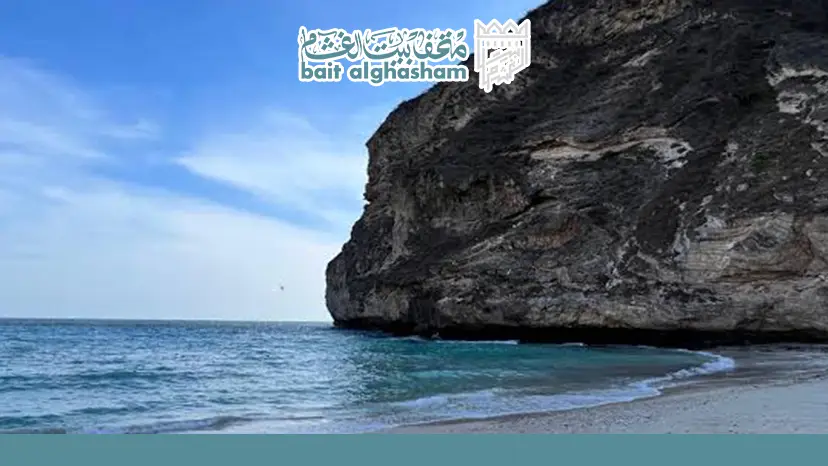
Al Mughsail Beach Surrounding the Site
The coastal landscape surrounding Marneef Cave and Al Mughsail Blowholes features one of the most breathtaking stretches of shoreline in the Dhofar Governorate:
- Paved Promenade and Elevated Viewing Decks: A well-maintained network of fenced walkways, stone staircases, and wooden viewing platforms extends seamlessly from the main visitor parking area up into Marneef Cave and directly over the rock blowholes. These raised decks allow families, tour groups, and photographers to safely observe the crashing waves and explosive water bursts from above without entering high-risk splash zones.
- The Pristine Sands of Al Mughsail Beach: Stretching across six kilometers of smooth white sand bordered by towering limestone cliffs, Al Mughsail beach creates a striking natural contrast against the dark blue waters of the Arabian Sea. It is a premier location for long coastal walks, picnic gatherings, sunset photography, and observing migratory sea birds, flamingos, and dolphins along the shoreline.
- The Sheltered Pavilion of Marneef Cave: Rather than an enclosed underground cavern, Marneef Cave consists of a massive, sweeping limestone overhang that forms a vast natural pavilion. Furnished with stone benches and shaded from direct sunlight, this airy rock shelter provides visitors with a cool, comfortable resting point to enjoy panoramic views of the coastal cliffs and open ocean breezes.
- Family Amenities and Local Kiosks: The area adjacent to the promenade features dedicated family picnic huts (barasti shelters), public restrooms, ample parking facilities, and small local kiosks selling fresh green coconut water (Mashli), snacks, and cold beverages.
Relax Along Nearby Shores:
After witnessing the powerful water geysers, head closer to the city center to relax on the calm sands of Khor Al Dahariz Beach, a popular seaside spot for walks and bird watching.
Geological Formation of the Cave and Coastal Cliffs
The unique coastal landscape of Marneef Cave and Al Mughsail Blowholes was sculpted through millions of years of natural weathering, tectonic uplift, and marine erosion:
- Porous Limestone Base: The cliffs and headlands consist primarily of thick layers of sedimentary limestone deposited during ancient marine eras when southern Arabia was submerged beneath shallow seas. This mineral-rich rock is inherently porous and soluble, making it particularly susceptible to erosion when exposed to salt water, atmospheric moisture, and coastal winds.
- Dissolution and Wave-Cut Cavities: Over millennia, weak carbonic acid in rainwater slowly dissolved the limestone from above, forming underground fissures and sinkholes (karst topography). Simultaneously, powerful oceanic swells hollowed out massive sea caves into the base of the cliffs from below.
- Creation of the Vertical Blowholes: As heavy wave surges continued to pound the hollowed sea caves, the pressurized air and trapped water gradually broke through the ceiling’s weakest points, creating the distinct vertical shafts and subterranean blowhole tunnels that blast seawater skyward today.
Nearby Scenic Routes and Coastal Attractions
A trip to Marneef Cave serves as the perfect starting point for exploring the dramatic western coast of Dhofar:
- The Zig-Zag Hairpin Pass (Sarabayt Road): Located just past Al Mughsail, this winding mountain highway climbs steeply up the Qara Mountains, offering breathtaking aerial views over the coast.
- Frankincense Trees in Fazayah Coast: Continuing further west leads toward remote beaches and natural frankincense tree groves growing wild along the rocky slopes.
What to Wear and Pack for Your Visit to Marneef Cave and Al Mughsail Blowholes
Preparing the right gear ensures a comfortable and enjoyable visit to the blowholes:
- Footwear: Wear sturdy, non-slip rubber-soled shoes or sandals, as seawater spray makes the paved walkways wet and slick.
- Waterproof Protection: Keep smartphones, cameras, and electronics in waterproof bags or dry pouches when standing near the viewing grates to protect them from saltwater mist.
- Modest Attire and Sun Protection: Lightweight, quick-drying clothing that covers shoulders and knees is recommended, along with hats and sunglasses for open beach walks.
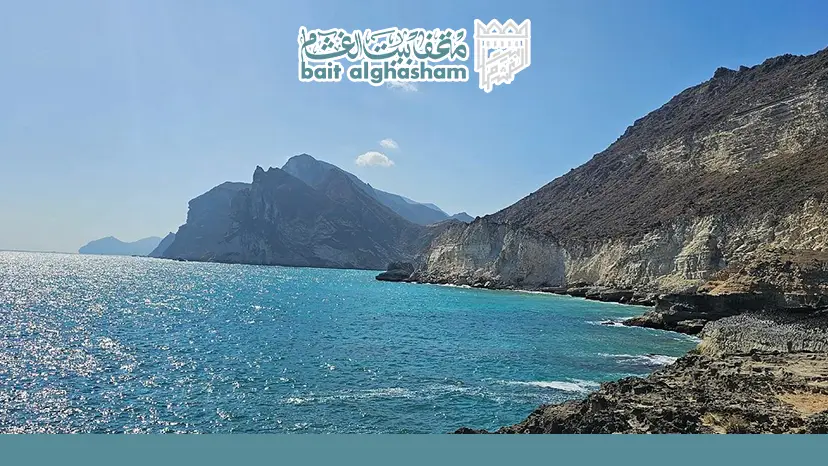
Safety Tips During Your Visit
While visiting Marneef Cave and Al Mughsail Blowholes is a thrilling experience, keeping basic safety precautions in mind ensures a smooth trip:
- Stay Behind Safety Fences: The rock blowholes are enclosed by protective metal grates and fencing. Never cross barriers or stand directly over the vents, as water bursts emerge with extreme force.
- Beware of Slippery Surfaces: Wet limestone rocks and wooden decking around the blowholes can become exceptionally slick from ocean spray. Wear shoes with reliable rubber traction.
- Exercise Caution Near Cliff Edges: Strong winds and high waves are common along the rocky headland. Keep children close and avoid climbing onto unpaved cliff edges along the shore.
Book Guided Southern Adventures:
Travelers looking to explore the natural wonders of Dhofar with comfortable transportation and local expert insights can choose from a variety of organized Oman tours.
Frequently Asked Questions About Marneef Cave and Al Mughsail Blowholes
Is there an admission fee to visit Marneef Cave and the blowholes?
No, entrance to Marneef Cave, the blowhole viewing decks, and Al Mughsail beach is free of charge and open to the public.
Are there facilities and restrooms at the site?
Yes, the site features a paved parking area, public restrooms, small snack kiosks, and shaded seating areas around the cave.
Can you swim at Al Mughsail Beach near the blowholes?
Swimming directly near the blowholes and rocky headland is strictly prohibited due to dangerous undertows and strong wave action. Swimming on the main sandy beach should also be done with extreme caution, especially during the Khareef season when currents are severe.