
Hidden beneath the limestone karst expanse of the Selma Plateau, Majlis Al Jinn Cave stands as one of the most astonishing geological wonders on the Arabian Peninsula. Known locally as Khoshilat Maqandeli, this colossal subterranean cavern is celebrated worldwide as one of the world’s largest cave chambers. Carved out over millions of years by natural underground water dissolution, the cavern offers a thrilling focal point for extreme adventure tourism in Oman, drawing seasoned explorers, geologists, and thrill-seekers to its vast, sunlit depths.
Where Is Majlis Al Jinn Cave Located?
Locating this subterranean giant requires journeying into the rugged highland terrain of eastern Oman:
- Geographical Region: Majlis Al Jinn is situated in the Ash Sharqiyah North Governorate, perched on the isolated and windy Selma Plateau within the eastern Al Hajar Mountain range.
- Altitude and Access: Resting approximately 1,300 meters above sea level, the cave entrance is reached via remote mountain roads leading up from coastal towns such as Fins or internal routes from Tiwi and Ibra.
- Terrain: Navigating to the plateau demands a sturdy 4WD vehicle to handle steep inclines, loose gravel, and rugged mountain tracks.
Why Is Majlis Al Jinn Cave One of the World’s Largest Cave Chambers?
The physical scale of Majlis Al Jinn is nothing short of breathtaking, placing it among the top single-chamber subterranean voids on Earth:
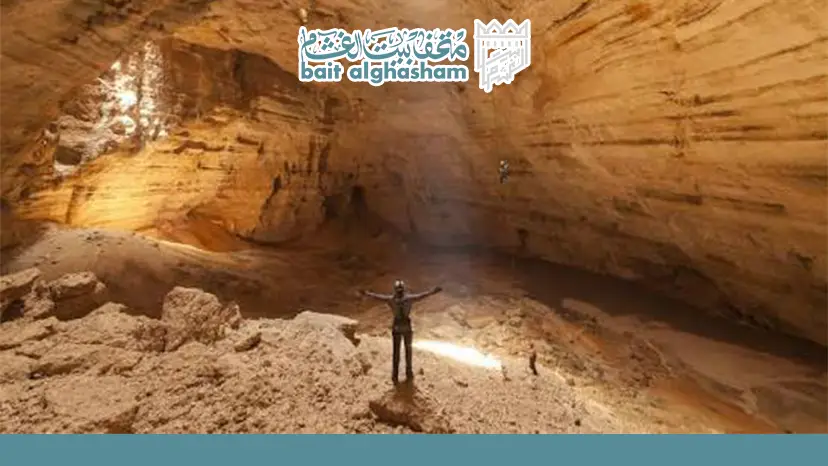
- Immense Dimensions: The chamber measures approximately 340 meters in length, 228 meters in width, and boasts a soaring ceiling height of up to 120 meters.
- Volumetric Capacity: With an estimated volume of over 4 million cubic meters, the chamber is large enough to fit multiple commercial airliners or several standing pyramids inside its main hall.
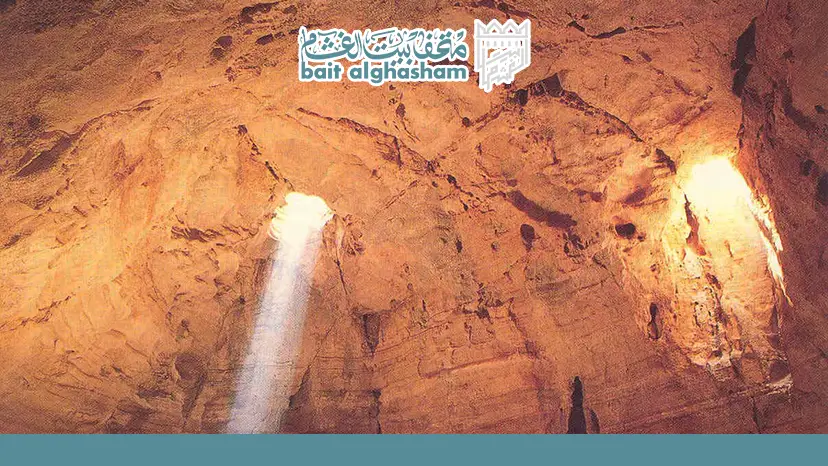
- Natural Skylights: The cave ceiling features three natural drop-in openings formed by roof collapses—known as First Drop, Asterisk, and Cheryl’s Drop—through which shafts of brilliant sunlight pierce the cavern darkness, creating spectacular visual light beams.
Top Cultural Experience
Exploring the beautifully restored mud-brick fortress of Bait Al Ghasham stands out as one of the most enriching cultural things to do in Oman for travelers seeking history and local heritage.
How Is It Visited (Rope Descent)?
Entering the depths of Majlis Al Jinn is an extreme technical undertaking unlike standard tourist caverns:
- Rope Descent Caving: Accessing the cave floor requires vertical rope descent caving (single-rope techniques/SRT). Adventurers must abseil down a free-hanging drop of over 100 to 120 meters through one of the top ceiling openings.
- Technical Ascents: Exiting the cave requires ascending back up the same vertical ropes using specialized ascenders and mechanical haul systems, requiring peak physical fitness and advanced vertical rope skills.
- Specialized Logistics: Because there are no staircases, walkways, or artificial lighting systems inside, any expedition demands comprehensive safety equipment, backup rigging systems, and expert ground support teams.
Is It Suitable for Casual Visitors or Adventurers Only?
Given its extreme environment and protected status, visiting Majlis Al Jinn is subject to strict operational and safety parameters:
- Adventurers Only: The cave is strictly intended for professional caver-explorers, certified extreme athletes, and guided technical expeditions. It is completely unsuitable for casual tourists, children, or non-technical sightseers.
- Permit Requirements: To prevent environmental degradation and ensure public safety, entry into the cave chamber is tightly regulated by Oman’s Ministry of Heritage and Tourism and Environment Authority. Special official permits and certified guide teams are required prior to any descent.
- Surface Viewing for Travelers: Casual travelers visiting the Selma Plateau can observe the dramatic surface openings from a safe distance, taking in the sweeping highland scenery while respecting safety barriers around the abyss.
Mountain & Cultural Travel Planning
To easily combine your visit to historical castles with high-altitude hiking across the Al Hajar Mountains, explore our detailed Jabal Shams Oman Guide for expert routes and safety recommendations.
Geology and Formation of Majlis Al Jinn
Understanding the ancient geological forces that created this massive underground void provides insight into Oman’s unique natural heritage:
- Karst Dissolution Process: Formed millions of years ago within the Eocene limestone beds of the Selma Plateau, the cave is a prime example of a karst landform. Rainwater absorbed atmospheric carbon dioxide, turning slightly acidic and gradually dissolving the underground limestone along natural fractures and fault lines to carve out the massive subterranean vault.
- Structural Mechanics and Chamber Growth: Unlike conventional cave systems that expand as horizontal river passages, Majlis Al Jinn developed primarily as a massive single bell-shaped chamber. Over millennia, continuous internal bedrock collapses and water drainage expanded the hall upward and outward, eventually eroding the surface crust to create its three iconic ceiling skylights.
The Discovery and History of Exploration
The history of how this hidden subterranean giant was mapped and brought to global attention highlights decades of adventurous exploration:
- Initial Discovery and Mapping: The cavern was first systematically explored and surveyed between 1983 and 1985 by American geologist Don Davison Jr. and his wife Cheryl Jones. Guided by satellite imagery and local insights, Davison abseiled down through the ceiling drop-holes, meticulously mapping the chamber’s immense interior dimensions and naming the three natural entrance openings (First Drop, Asterisk, and Cheryl’s Drop).
- Famous Expeditions and World Records: Over the decades, the cave’s breathtaking vertical drop has attracted world-class extreme athletes and athletes. Notable milestones include record-breaking BASE jumps through the ceiling openings directly onto the cave floor and high-profile technical climbing ascents, establishing Majlis Al Jinn as a legendary destination in extreme adventure sports.
Local Folklore and the Origin of the Name
The cultural significance and local legends surrounding the cavern reflect the deep history of the Selma Plateau:
- Meeting Place of the Spirits: The Arabic name Majlis Al Jinn translates directly to “The Gathering Place of the Spirits” or “Genies.” Local villagers historically believed that a subterranean chamber of such immense proportions, concealed beneath small surface openings in the desert plateau, could only have been created by supernatural forces.
- Khoshilat Maqandeli: Among the local Omani communities residing on the Selma Plateau, the cave is traditionally known as Khoshilat Maqandeli. This native name references the specific surface sinkhole formation and honors local oral geography passed down through generations of mountain dwellers.
Responsible Travel and Surface Sightseeing Tips
How non-caving travelers and general tourists can safely experience the Selma Plateau environment:
- Surface Viewing Safety: While descending into the cave is strictly prohibited for non-specialists, travelers can journey up the Selma Plateau in a 4WD vehicle to admire the dramatic mountain landscape. Visitors can observe the fenced perimeter around the cave openings from a safe, designated distance, ensuring both personal safety and ecological preservation.
- Combining Nearby Attractions: A trip to the plateau offers an ideal opportunity to build a broader regional itinerary. Visitors can pair their mountain drive with a trek through the emerald pools of Wadi Shab, explore the coastal plantations of Tiwi, or visit the prehistoric, UNESCO-listed Jaylah Beehive Tombs situated nearby on the high plateau.
Seamless Guided Excursions
If you want to experience historic fortresses, desert dunes, and mountain canyons with professional local guides, you can easily book Oman tour packages tailored to your schedule.
Frequently Asked Questions About Majlis Al Jinn Cave
Where is Majlis Al Jinn Cave located?
The cave is located on the remote Selma Plateau in the Ash Sharqiyah North Governorate of eastern Oman. It sits within the eastern Al Hajar Mountain range at an elevation of roughly 1,300 meters above sea level, accessible via rugged mountain tracks from coastal towns like Fins or Tiwi.
Does entry require descent equipment?
Yes, entry strictly requires specialized vertical descent and caving equipment. There are no walking paths, stairs, or natural walk-in entrances. Access is only possible by abseiling down a free-hanging vertical drop of over 100 to 120 meters through one of three natural skylight openings in the cave ceiling, using single-rope techniques (SRT).
Is it suitable for non-specialist visitors?
No, it is strictly suitable for experienced technical cavers, professional athletes, and certified caving expeditions only. Due to the extreme drop, lack of internal infrastructure, and high physical demands of ascending back up the ropes, casual tourists and non-specialist visitors cannot enter. Official permits from Omani tourism and environmental authorities are also required.