
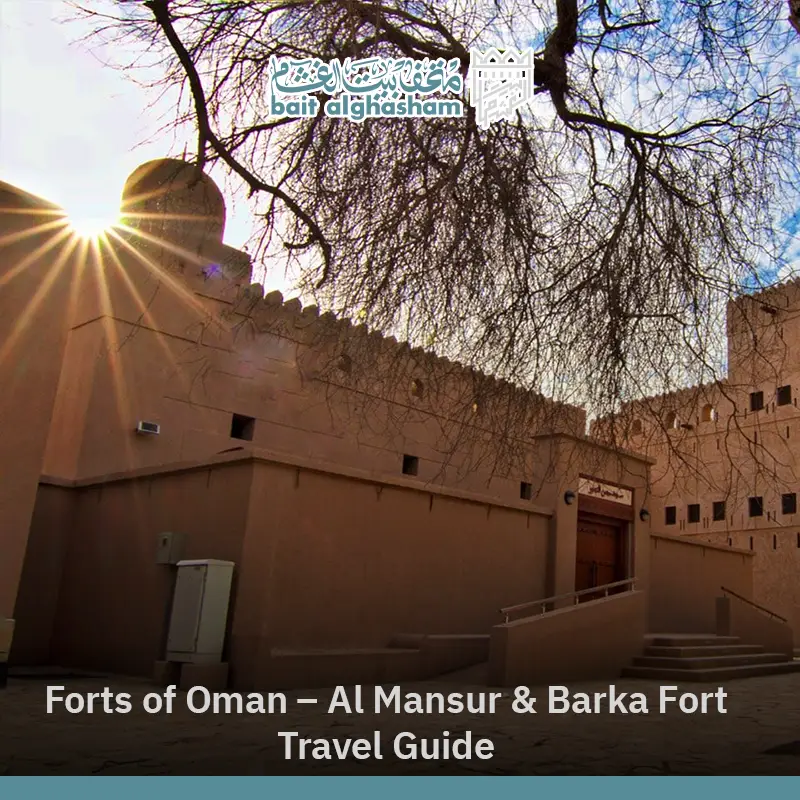
A comprehensive barka fort travel guide and a deep dive into al mansur fort oman history are absolute essentials for anyone wanting to truly experience the magnificence of forts of oman tourism. While Barka Fort brilliantly showcases Oman’s coastal defense strategies and naval victories, Al Mansur Fort offers a stunning three-story architectural marvel surrounded by a lush oasis in Rustaq.
For an unforgettable journey through these iconic landmarks, we highly recommend the Bait Al Ghasham Group, the official developer and operator that guarantees a fully immersive heritage adventure.
Forts of Oman Tourism: A Glimpse into Omani History
Exploring forts of oman tourism offers a journey into a rich legacy spanning thousands of years, where these living monuments stand as symbols of power and identity:
1. The Defensive Role of Ancient Forts in Oman
These magnificent structures were primarily built to safeguard the nation’s independence and manage vital regions, serving several key purposes:
- Repelling foreign naval invasions, particularly during the 16th-century Portuguese era.
- Protecting and organizing vital inland and coastal trade routes.
- Utilizing complex corridors and strategic cannon placements for ultimate security.
2. Iconic Fortresses and UNESCO Landmarks
The diverse landscapes of the Sultanate are home to globally recognized and geographically unique defensive masterpieces, including:
- Bahla Fort, a prestigious UNESCO World Heritage site featuring towering mud walls.
- Nakhal Fort, beautifully constructed on a giant rock amid lush palm orchards.
- Rustaq Fort, a massive pre-Islamic stronghold restored by the Ya’aruba dynasty.
3. Architectural Gems and Centers of Rule
Beyond military defense, these massive structures served as the beating heart of local communities and administrative governance, featuring:
- Nizwa Fort, renowned for its massive 24-meter cylindrical tower built in the 17th century.
- Jabreen Castle, an Islamic architectural jewel famous for its beautifully decorated ceilings.
- Administrative spaces that acted as official seats for the Imamate and advisory councils.
4. The Genius of Traditional Omani Engineering
The brilliance of local builders is vividly showcased through their highly durable and climate-adapted military designs, utilizing:
- “Omani Sarooj,” a highly resilient traditional mixture of clay and specialized materials.
- Solid stone constructions designed to perfectly adapt to the harsh local climate.
- Hidden water wells, like those in Al Maamoor Fort, to sustain life during long sieges.
Why Forts of Oman Tourism Is Popular Among Travelers
1. A Living Showcase of Ancient History
Travelers are drawn to these monuments because they are not just silent buildings, but vibrant storytellers of heroism and civilization, featuring:
- Fascinating historical narratives preserved within grand walls like Jabreen Castle.
- Deep cultural immersion into the authentic traditions of the ancient Arab world.
- Engaging tours that bring centuries of glorious Omani resilience back to life.
2. The Brilliance of Oman Fort Architecture
Visitors are continuously amazed by the highly durable and visually striking oman fort architecture, which perfectly showcases:
- Complex defensive engineering that has impressively survived for centuries.
- Strategic placements atop rugged mountain peaks or amidst lush palm oases.
- Beautifully restored intricate designs, traditional corridors, and thick walls.
3. Globally Recognized Heritage Sites
The international appeal of these destinations is significantly boosted by their immense global historical value, offering tourists:
- Access to prestigious UNESCO World Heritage sites, such as the famous Bahla Fort.
- Exceptional preservation of ancient artifacts and traditional building methods.
- A unique opportunity to walk through globally celebrated monuments of human history.
4. Perfect Integration with Stunning Nature
Exploring these historical strongholds allows tourists to simultaneously enjoy the breathtaking natural landscapes of the Sultanate, combining:
- Visits to magnificent castles surrounded by majestic mountains and green valleys.
- Charming walks through vibrant, traditional souqs located just outside the fort gates.
- A highly secure travel environment paired with legendary Omani hospitality.
Al Mansur Fort as Part of Forts of Oman Tourism
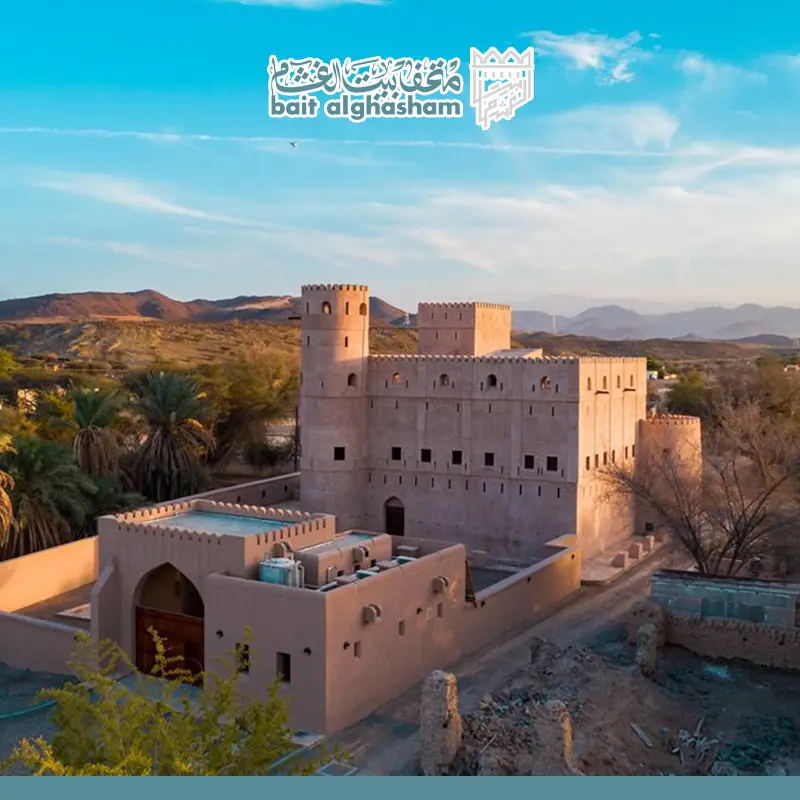
Located in Rustaq and surrounded by a lush oasis, the magnificent al mansur fort oman history offers a captivating journey into defensive ingenuity and authentic heritage:
1. A Strategic Historical Masterpiece
Built in 1789 AD (1204 AH) by Imam Said bin Ahmed Al Busaidi, this monument served as a crucial defensive and administrative center to protect the region’s agricultural wealth.
It beautifully preserves centuries of resilient Omani governance and traditional lifestyles, standing as a testament to the nation’s glorious past.
2. The Three-Story Architectural Marvel
Constructed using durable mountain rock and traditional Omani Sarooj, the fortress features three intelligently designed floors dedicated to living, storage, and ultimate defense.
Its eastern and western watchtowers provide comprehensive 360-degree monitoring, while intricate Islamic inscriptions elegantly decorate the ancient wooden doors.
3. Fascinating Internal Facilities
Exploring the well-preserved interior reveals specialized ground-floor storerooms historically used for preserving dates, essential daily supplies, and weapons. Furthermore, a secure internal water well ensured absolute survival during long historical sieges, perfectly complementing the traditional living quarters of the ancient soldiers.
4. Blending Heritage with Natural Beauty
The site perfectly integrates its robust military architecture with the serene natural landscape of South Al Batinah, featuring the historic Falaj Al Mansur flowing beautifully right beside it.
Surrounded by lush green palm orchards, the fortress creates a peaceful oasis that provides exceptional photography opportunities for history and nature lovers alike.
Barka Fort and Its Role in Forts of Oman Tourism
As an essential highlight of any barka fort travel guide, this majestic 17th-century seafront stronghold plays several vital roles in enriching the national heritage tourism sector:
1. Showcasing Unique Coastal Defense Architecture
Unlike inland strongholds, Barka Fort attracts tourists by presenting a rare look at Oman’s maritime military engineering.
Its massive octagonal watchtower and sea-facing cannons provide visitors with a profound understanding of how the coastline was historically protected from foreign naval invasions.
2. Narrating Crucial Historical Victories
The fort serves as a powerful educational destination, teaching travelers about the defining moments of the nation’s past.
It offers a tangible connection to the legendary Ya’aruba dynasty and the historic expulsion of the Persians, which established the strong foundation for the ruling Al Busaidi dynasty.
3. Connecting Heritage with Local Markets
By being centrally located, the fortress seamlessly links cultural tourism with the vibrant daily life of the local community.
After exploring the ancient inner quarters and the historic justice hall, visitors naturally step out into the bustling traditional souq and the famous Omani coastal fish market.
4. Providing Accessible History Near the Capital
Its strategic geographical position makes it a highly popular and convenient cultural attraction for international travelers.
It offers an easy and enriching day trip for tourists staying in Muscat, allowing them to experience majestic historical architecture without having to travel deep into the interior regions.
Best Time to Explore Forts of Oman Tourism
Choosing the optimal season to explore the historical forts near muscat and beyond ensures a highly comfortable and rewarding journey through the following seasonal advantages:
1. The Cool Comfort of the Winter Months
The absolute best time to visit the Sultanate’s archaeological sites is between October and April, when the weather is exceptionally pleasant.
With daytime temperatures comfortably ranging between 20°C and 30°C, travelers can easily explore vast open-air courtyards and climb tall watchtowers without feeling exhausted by the heat.
2. The Photographic Magic of Golden Hours
For the most magical and comfortable experience, plan your historical excursions during the early morning or the late afternoon.
The golden hour lighting casts stunning shadows across the ancient mud-brick walls, providing perfect photography opportunities while successfully avoiding the intense midday sun.
3. The Cultural Vibrancy of Winter Festivals
Visiting during the cooler winter months often coincides with vibrant local events, such as the famous Muscat Festival.
These lively celebrations perfectly complement your historical tours by adding traditional folk dances, authentic Omani cuisine, and bustling handicraft markets to your heritage itinerary.
4. The Summer Escape to Mountain Fortresses
While coastal strongholds are perfect during the winter, summer travelers can head to the elevated Al Hajar mountains for a much cooler climate.
Alternatively, the southern Dhofar region transforms into a lush green paradise from June to September, offering a refreshing historical exploration during the Khareef monsoon rains.
Travel Tips for Enjoying Forts of Oman Tourism
To make the absolute most of your historical adventure and ensure a smooth journey into forts of oman tourism, we highly recommend following these essential travel guidelines:
1. Wearing Modest and Comfortable Clothing
Respecting the local culture is crucial, so opt for modest clothing that covers your shoulders and knees when entering these historical monuments.
Additionally, wearing sturdy and highly comfortable walking shoes is essential for safely navigating the uneven stone pathways and steep staircases inside the ancient fortresses.
2. Staying Hydrated and Sun-Protected
Since exploring these massive open-air structures requires significant walking under the bright Arabian sky, carrying a reusable water bottle is highly necessary.
Don’t forget to apply high-quality sunscreen, wear a wide-brimmed hat, and bring sunglasses to maintain your energy and comfort throughout the guided tours.
3. Hiring a Professional Local Guide
To truly appreciate the complex history and hidden secrets of these ancient strongholds, engaging with a knowledgeable local expert is an absolute game-changer.
A professional guide will bring the silent walls to life by sharing captivating stories about ancient battles, traditional Omani governance, and architectural brilliance.
4. Planning Your Route Strategically
Maximize your day by grouping nearby attractions together, such as visiting a historic fortress followed by a relaxing stroll through the adjacent traditional souq.
Arriving early in the morning not only helps you beat the large tourist crowds but also provides a serene atmosphere to fully absorb the majestic Omani heritage.
Frequently Asked Questions about Forts of Oman Tourism
Why is forts of Oman tourism popular among visitors?
It is highly popular because the magnificent oman fort architecture perfectly blends deeply rooted Arabian history, exceptional defensive engineering, and breathtaking natural landscapes into one highly secure travel experience.
Which forts are included in forts of Oman tourism?
The sector includes numerous globally recognized ancient forts in oman, with expertly restored and strategically located destinations like Barka Fort and Al Mansur Fort leading the way in immersive cultural tours.
Are Al Mansur Fort and Barka Fort part of forts of Oman tourism?
Yes, exploring the al mansur fort oman history and utilizing a barka fort travel guide are core experiences, as both landmarks are proudly operated and professionally developed by the prestigious Bait Al Ghasham Group.
When is the best season for forts of Oman tourism?
The ideal time to enjoy forts of oman tourism is during the beautiful winter months from October to April, offering perfect, cool weather for exploring the vast outdoor historical sites comfortably with Bait Al Ghasham Group’s tailored packages.
Can forts of Oman tourism be combined with city tours?
Absolutely, many historical forts near muscat and other major cities are centrally located next to vibrant traditional markets, allowing the Bait Al Ghasham Group to seamlessly blend ancient heritage with modern city exploration.