
Al Khaburah’s Fishing and Maritime Heritage defines its identity as a historic coastal town in the Al Batinah North Governorate of Oman. Its deep-rooted maritime heritage centers on traditional fishing, dhow seafaring, and coastal trade along the Gulf of Oman. The community’s enduring connection to the sea continues to shape its local economy and cultural identity, reflecting centuries of seamanship and traditional craftsmanship across North Al Batinah.
Exploring Al Khaburah’s Fishing and Maritime Heritage Throughout History
For generations, Al Khaburah served as a vital maritime center on the Batinah coast, connecting inland agricultural valleys with international sea lanes.
- Maritime Crossroads: Positioned strategically along the Gulf of Oman, the town operated as a natural gateway for regional trade, exporting local produce, dates, and dried fish to markets across the Arabian Gulf, East Africa, and the Indian subcontinent.
- Traditional Fishing Villages: The coastline is dotted with historical traditional fishing villages where generations of Omani families have preserved ancient fishing techniques, net-weaving arts, and maritime folklore passed down through centuries.
- Seafaring Community: The town’s historic reputation was built on the skill of its sailors and shipbuilders, who navigated open waters long before the advent of modern navigational tools.
The Traditional Fish Market and Fishing Craft
At the heart of the city’s daily rhythm lies Al Khaburah’s fish market, a bustling coastal hub where traditional fishing methods meet modern local commerce. For travelers exploring the wider North Al Batinah coast, the experience can also be combined with a visit to Shinas forts and beaches, offering a chance to discover the region’s historic landmarks alongside its scenic coastline.
- Morning Auctions: Every morning, local fishermen dock their wooden dhows and fiber boats along the shore, bringing in fresh catches of kingfish, tuna, hamour, and trevally to be sold in high-energy public auctions.
- Traditional Wooden Dhows: Al Khaburah remains famous for its legacy of Omani boat craftsmanship. Artisans historically crafted wood-stitched dhows, such as the Shasha (a traditional boat made from date-palm fronds) and larger wooden cargo vessels.
- Authentic Cultural Scene: Visiting the waterfront market offers travelers an authentic look into local Omani life, away from commercialized tourist districts, where traditional bargaining and community camaraderie remain fully intact.
Discover Muscat’s Premier Landmarks:
From marble courtyards to historic coastal fortresses and traditional souks, Oman’s capital is filled with iconic cultural treasures. Be sure to Explore Places to Visit in Muscat to craft a full itinerary covering the very best of the city’s heritage and architectural gems!
How Coastal Navigation History Shaped Al Khaburah’s Fishing and Maritime Heritage
Beyond local fishing, the town played an integral role in Omani coastal navigation history, serving as a key waypoint for merchant fleets traversing the Arabian Sea. Its historic character also makes it an interesting stop for travelers interested in archaeological tourism in Oman, particularly those exploring the forts, watchtowers, and heritage sites scattered across North Al Batinah.
- Navigational Expertise: Ancient mariners from Al Khaburah relied on celestial navigation, wind patterns, and deep knowledge of the Batinah coastline to guide dhows safely between major ports like Sohar and Muscat.
- Trade Route Feeder: The port functioned as a critical feeder node for Sohar—historically one of the Islamic world’s primary trading harbors—supplying provisions, timber, and marine goods to long-distance merchant ships.
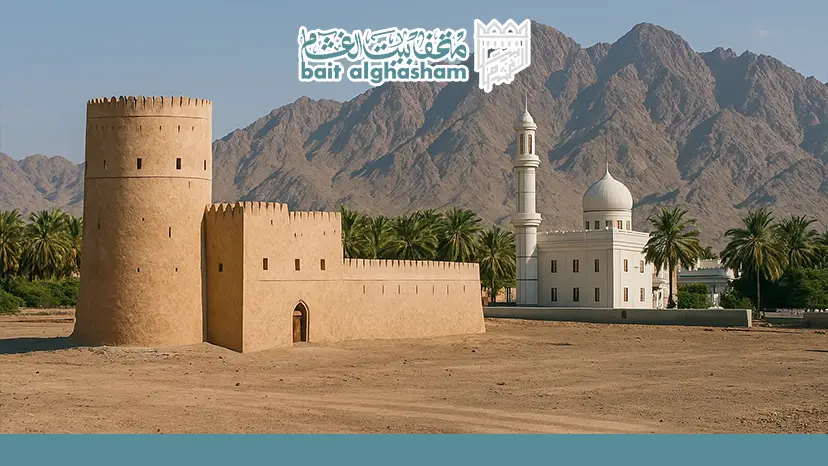
- Coastal Fortifications: To protect these valuable trading routes and fishing waters, historical watchtowers and strongholds were erected along the coastline and inland valleys, safeguarding the community against maritime raids.
Plan an Unforgettable Omani Experience:
Ready to explore Oman’s historic forts, mountain valleys, and coastal harbors hassle-free? Let Bait Al Ghasham Group handle all your travel arrangements. Book your tour package today to enjoy a seamless, expertly guided journey across the Sultanate!
Best Time to Experience Al Khaburah’s Fishing and Maritime Heritage
To experience the true energy of Al Khaburah’s waterfront and coastal traditions, timing your visit is essential. Planning ahead with Oman tour packages can also help travelers combine Al Khaburah with nearby coastal and heritage destinations across North Al Batinah.
- Early Morning Activity: The absolute best time to visit Al Khaburah’s fish market is early in the morning between 6:00 AM and 8:30 AM, when the fishing boats land their fresh catch and the daily auction reaches its peak.
- Cooler Winter Months: Planning your trip between November and March provides pleasant weather with average temperatures between 20°C and 27°C, making it ideal for walking along the port, exploring coastal villages, and photographing the coastline.
- Weekday Visits: Visiting on weekday mornings offers a more authentic, local experience, allowing you to observe traditional market trade without the larger crowds of weekend travelers.
Frequently Asked Questions About Al Khaburah
Where is Al Khaburah located in Oman?
Al Khaburah is located in the North Al Batinah Governorate along the northern coast of Oman, roughly midway between Sohar and Muscat along the main coastal highway.
What is Al Khaburah famous for?
Al Khaburah is renowned for its rich maritime history, traditional fishing villages, bustling morning fish market, historical dhow construction, and historic inland forts like Al Khaburah Fort.
Is the fish market in Al Khaburah open to tourists?
Yes, the fish market is open to the public and welcomes respectful visitors who wish to observe the lively morning auctions and take photographs of traditional Omani coastal life.
How far is Al Khaburah from Muscat and Sohar?
- From Muscat: Approximately 170 kilometers (about a 1.5-hour drive via the Batinah Expressway).
- From Sohar: Approximately 60 kilometers (about a 35-to-40-minute drive).
Do I need a 4×4 car to visit Al Khaburah and its coastal market?
No, a standard two-wheel-drive sedan is completely sufficient. The roads connecting the main highway to the town center, port, and fish market are fully paved.
Why is Al Khaburah famous for fishing?
Al Khaburah is famous for fishing due to its strategic position along the rich marine waters of the Gulf of Oman and its deep-rooted seafaring tradition. For generations, the town has sustained vibrant traditional fishing villages known for skilled Omani mariners, abundant daily catches (such as kingfish, hamour, and tuna), and a historical legacy of handcrafted dhows and Shasha boats (traditional palm-frond boats).
Can visitors see the traditional fish market?
Yes, visitors are welcome to explore Al Khaburah’s traditional fish market. The market is open to the public daily, offering a lively, authentic look into Omani coastal culture. The best time to visit is early in the morning (between 6:00 AM and 8:30 AM), when local fishermen dock their boats to sell their fresh catch in high-energy public auctions.
How is it linked to ancient navigation routes?
Historically, Al Khaburah served as a vital coastal node and feeder port connecting the Batinah plain to long-distance maritime trade networks across the Arabian Gulf, East Africa, and the Indian subcontinent. Ancient navigators from Al Khaburah relied on celestial navigation and seasonal monsoon winds to guide dhows carrying local marine goods, timber, and agricultural produce to major regional trade centers like Sohar and Muscat.
Experience Oman’s Authentic Living Heritage:
Complete your Omani adventure with a trip to South Al Batinah to Discover Bait Al Ghasham—a beautifully restored 200-year-old mud-brick mansion that gives travelers an intimate look into traditional Omani architecture, royal history, and timeless craftsmanship.