
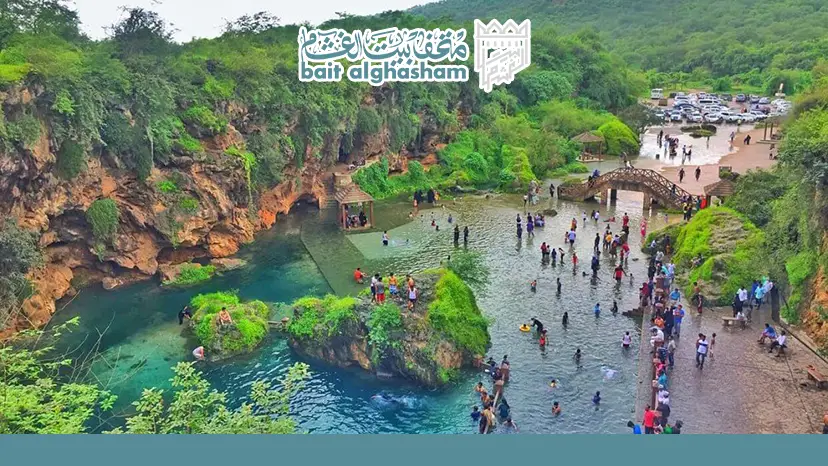
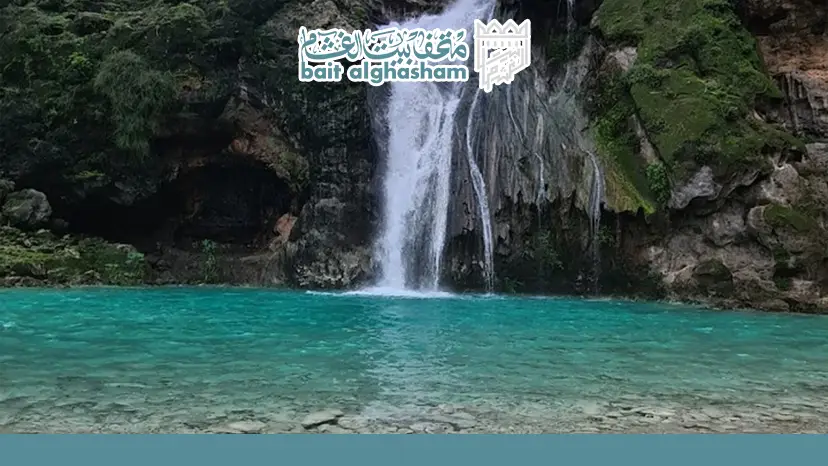
Ain Sahalnaut Spring Salalah is a stunning natural freshwater spring located in Wadi Sahalnoot, about 15 kilometers from the center of Salalah. It features crystal-clear water, limestone cliffs, and green valley views
Where Is Ain Sahalnaut Spring Salalah Located?
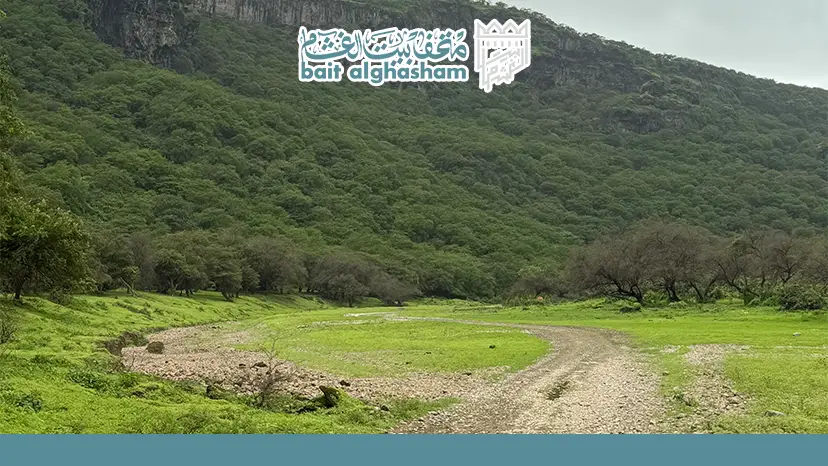
Ain Sahalnaut is located approximately 15 kilometers northeast of central Salalah, nestled within the quiet countryside of the Dhofar Governorate. Positioned near the entrance of Wadi Sahalnaut, it sits comfortably close to the city while retaining an untouched, rural atmosphere.
- Accessibility: The spring is easily reached via paved roads connecting central Salalah to the surrounding foothills. Standard sedans can comfortably reach the main parking area without requiring a 4×4 vehicle.
- Scenic Approach: The drive itself offers winding views through rural Salalah, passing traditional farms and gentle mountain slopes before descending toward the spring area.
Is It Suitable for Swimming?
The striking clear pool of Ain Sahalnaut naturally tempts visitors to take a dip, but safety and local guidelines must be prioritized regarding swimming in natural springs:
- Regulations & Safety: Direct swimming in the main spring pool is generally restricted or strongly discouraged by local authorities. Water depths inside the canyon sink unexpectedly, and submerged rock formations pose hidden hazards.
- Water Conditions: During peak monsoon flow, underwater currents can become unpredictable. Visitors are urged to enjoy the water visually from the footbridges and surrounding walkways rather than wading deep into the pool.
- Footpath Views: A well-built wooden walkway and bridge extend over the water channel, offering safe, elevated vantage points to admire the turquoise pool and take photos without entering the water.
Best Time to Visit Ain Sahalnaut Spring Salalah
To experience Ain Sahalnaut at its most vibrant, timing your excursion according to the region’s seasonal climate is key:
- Khareef Season (July to September): The annual monsoon transforms the valley into a tropical paradise. Rainwater recharges the spring, filling the pool with vivid turquoise water while fog and lush greenery envelop the cliffs.
- Early Post-Khareef (October): Early autumn is often considered the golden window. The water levels remain high and the vegetation stays bright green, but the rain clouds clear and visitor crowds taper off.
- Time of Day: Arrive early in the morning (between 8:00 AM and 10:00 AM) to beat the afternoon crowds, secure parking easily, and enjoy the tranquil sounds of flowing water in peace.
Tips for a Safe Picnic Trip at Ain Sahalnaut Spring Salalah
Ain Sahalnaut Spring Salalah is a cherished location for a relaxed family picnic, provided you come prepared for the outdoors:
- Bring Ground Cover: Flat grassy spots and shaded areas line the stream bed. Pack a waterproof picnic blanket or mat, as the ground can stay damp during the Khareef season.
- Wear Slip-Resistant Shoes: Footpaths, wooden stairs, and surrounding rocks become slick due to moss and mist. Sturdy walking shoes with reliable grip are recommended.
- Pack Food and Essentials: While mobile food carts occasionally set up near the parking lot during peak season, bringing your own snacks, fresh water, and picnic supplies ensures a self-sufficient trip.
- Practice Leave-No-Trace: Help protect Dhofar’s natural ecology by collecting all trash and utilizing designated waste bins before leaving the site
What to Pack for Your Trip to Ain Sahalnaut
Packing the right gear will help you make the most of your visit to Ain Sahalnaut Spring Salalah, especially if you plan to explore the walkways or capture the dramatic landscape:
- Non-Slip Footwear: The wooden boardwalks, stone steps, and surrounding rocks can become slippery due to moisture and moss during Khareef. Wear comfortable sneakers or hiking sandals with strong traction.
- Photography Essentials: The vivid turquoise pool framed by limestone walls is one of the most photographed spots in Dhofar. Bring a wide-angle lens, polarising camera filters (to cut water glare), and a waterproof phone pouch or dry bag.
- Rain Protection: Light drizzle and mist are common in the valley during monsoon season. A lightweight rain jacket or compact umbrella will keep you comfortable while walking outdoors.
- Picnic Gear: Bring a water-resistant picnic sheet, foldable chairs, and a cooler with fresh drinks and snacks to comfortably enjoy the shaded spots along the valley floor.
Safety Precautions and Environmental Rules
Help protect both yourself and the valley’s fragile ecosystem by following these essential guidelines:
- Avoid Climbing Cliff Edges: The limestone cliffs around the natural canyon are steep and unstable, particularly when wet. Always stay behind safety railings and stick to marked footpaths and bridges.
- Adhere to Swimming Warnings: Observe all posted warning signs regarding water entry. Depths inside the canyon pool are deceptively deep, and currents can shift without notice.
- Keep the Valley Clean: Pack out everything you bring in. Dispose of all food containers, plastic bottles, and litter in the designated waste bins near the entrance parking lot.
- Respect Local Wildlife: The freshwater ecosystem supports local birds, fish, and plant species. Refrain from disturbing the natural flora or leaving food waste in the water channel.
Explore Salalah with Local Experts:
Want a hassle-free experience exploring Salalah’s water springs, mountains, and cultural sites? Let Bait Al Ghasham Group take care of your travel arrangements. You can Book your tour package today and enjoy guided excursions tailored for families, groups, and solo travelers.
Nearby Attractions to Combine with Ain Sahalnaut
Because Ain Sahalnaut Spring Salalah is located in the northeastern sector of Salalah, you can easily combine your visit with other premier natural springs and attractions into a half-day or full-day itinerary:
- Ain Razat: Located just a short drive east, Ain Razat features large landscaped gardens, natural caves, and a wide freshwater lake framed by lush mountain slopes.
- Ain Athum & Ain Tobruk: Situated nearby along the mountain roads, these seasonal waterfalls cascade dramatically down limestone cliffs after heavy Khareef rainfall.
- Tawi Atair Sinkhole & Wadi Darbat: Extending your trip further east takes you toward the famous Tawi Atair sinkhole and the sprawling waterfalls and boating lake of Wadi Darbat, making for a comprehensive Dhofar water spring tour.
Ain Sahalnaut is just one of the many breathtaking natural attractions Oman has to offer. If you want to discover more stunning springs, lush valleys, and historic sites across the region, explore our comprehensive guide on Places to Visit in Salalah to craft your perfect trip.
Frequently Asked Questions About Ain Sahalnaut Spring Salalah
Where is Ain Sahalnaut located?
Ain Sahalnaut is situated about 15 kilometers northeast of central Salalah in the Dhofar Governorate, nestled near the base of Wadi Sahalnaut in rural Salalah.
Is swimming allowed at Ain Sahalnaut?
Swimming in the deep central pool is restricted for safety reasons due to variable depths and submerged rocks. Visitors can enjoy views safely from the wooden bridges and walkways.
Is Ain Sahalnaut suitable for a family picnic?
Yes, it is a wonderful spot for a family picnic. The area features shady trees, scenic walking paths, and flat ground near the water channel suitable for relaxing outdoors.
Is there an entrance fee to visit Ain Sahalnaut?
No, Ain Sahalnaut is a public natural site with free admission and free parking for all visitors.
Do I need a 4×4 car to reach Ain Sahalnaut?
No, the roads leading to the Ain Sahalnaut parking area are fully paved, making it easily accessible for standard two-wheel-drive sedans and compact cars.
Where exactly is Ain Sahalnaut?
Ain Sahalnaut is located in the Dhofar Governorate of southern Oman, approximately 15 kilometers northeast of central Salalah. It sits within the countryside at the entrance of Wadi Sahalnaut, just a 15-to-20-minute drive from Salalah city center via paved roads.
Can you swim there?
No, swimming is restricted or strongly discouraged for safety reasons. While the vibrant turquoise water looks inviting, the main spring pool has unpredictable depths, underwater currents, and submerged rocks. Visitors are encouraged to admire the water from the wooden footbridges and surrounding walkways rather than swimming.
What is the best time to visit?
- Best Season: Khareef season (July to September) and early post-Khareef (October). During this period, the monsoon rain recharges the spring, the turquoise water reaches its peak flow, and the surrounding mountains are covered in lush greenery.
- Best Time of Day: Early morning (between 8:00 AM and 10:00 AM) on weekdays. Arriving early lets you enjoy cooler temperatures, peaceful natural sounds, and easy parking before the afternoon crowds arrive.
Is Ain Sahalnaut open year-round?
Yes, Ain Sahalnaut is open year-round, 24 hours a day, with free public entry. However, the landscape varies significantly by season:
- Khareef & Early Autumn (July to October): The spring is at its absolute peak. Monsoon rains fill the canyon with vibrant, turquoise water, and the surrounding cliffs turn lush and green.
- Rest of the Year (November to June): The site remains open as a calm, scenic valley. While the spring water level recedes and the landscape returns to its natural dry state, it stays a peaceful retreat for nature walks.
Are there food stalls or cafes at Ain Sahalnaut?
- Seasonal Stalls: During the peak Khareef season, local food carts and pop-up stalls set up near the parking area, offering quick snacks, tea, fresh coconut water, and traditional Omani street food (Mishkak).
- Off-Season & Full Dining: Outside of Khareef (or for full restaurant dining), there are no permanent indoor cafes directly at the spring. However, full-service restaurants, grocery stores, and cafes in central Salalah are only a short 10-to-15-minute drive away.
As a leading name in Omani heritage and tourism, Bait Al Ghasham Group proudly owns and operates the iconic Bait Al Ghasham Museum, alongside offering premium guided tours across Salalah and Muscat. Visit our homepage to Discover best Oman Tours and learn more about our rich history, cultural experiences, and tourism services.