barka fort
Barka Fort… A Living Witness to Omani Architectural Heritage
Barka Fort opens a window onto the rich past of Wilayat Barka, where forts and watchtowers once safeguarded the community, and interior rooms reflected daily life, governance, and justice in earlier centuries. Within its walls designed in authentic Omani architectural style visitors can discover details of traditional living, defense systems, and urban development. Exploring this landmark is a cultural journey that brings history to life and preserves the spirit of the place to this day.
Barka Fort Location
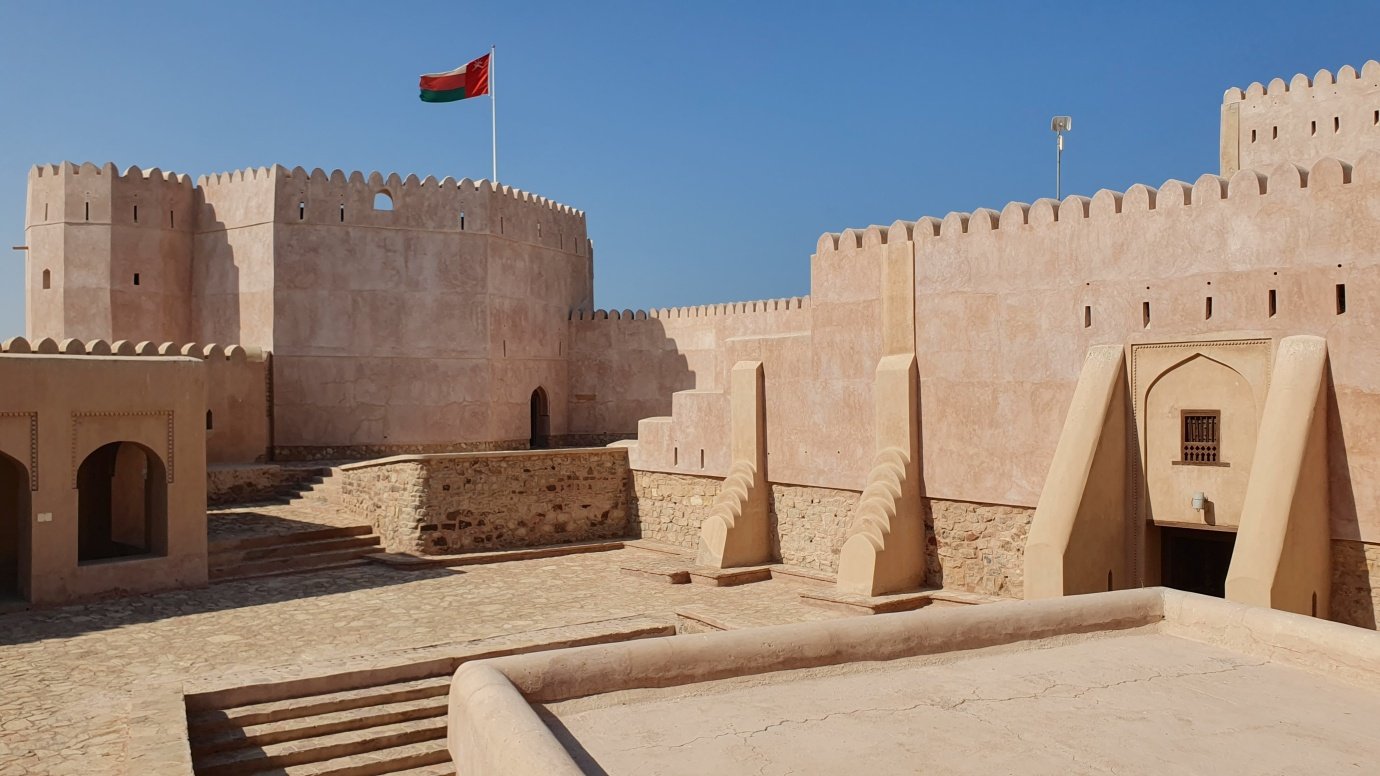
Barka Fort is located in the heart of Wilayat Barka, within the market area, about 1 km from the coast of the Gulf of Oman along the Al Batinah shoreline. It is surrounded by traditional markets such as the fish and vegetable souqs. The fort is distinguished by its octagonal tower and two restored watchtowers, which were once part of the city’s defensive wall making Barka Fort Oman a prominent historical landmark.
Barka Fort History
- Construction period: Built in the mid-17th century in two phases—the first during the reign of Saif bin Sultan Al Ya’arubi, and the second under Hamad bin Saeed Al Busaidi.
- Historical role: Served as the seat of governance and residence of the Wali (governor), and included a justice hall and the Imam’s wing.
- Key events: Witnessed the Persian massacre in 1728 during the era of Saif bin Sultan, reflecting the historical conflicts over control of the Al Batinah coast and Muscat.
This rich background makes Barka Fort history an essential chapter in Oman’s heritage.
Architectural Features of Barka Fort
Barka Fort heritage is evident in its integrated defensive design, showcasing the ingenuity of traditional Omani builders through a balance of strength, function, and beauty. Key features include:
- Watchtowers on all corners for surveillance and defense.
- A justice hall and the Imam’s wing, alongside family rooms and reception areas.
- Defensive sections with weapon stores and secret chambers.
- A water well and storage tanks ensuring self-sufficiency.
- Walls and gates built with sarooj and stone, adorned with traditional decorative elements.
What to Expect During Your Visit?
During your visit, you can explore:
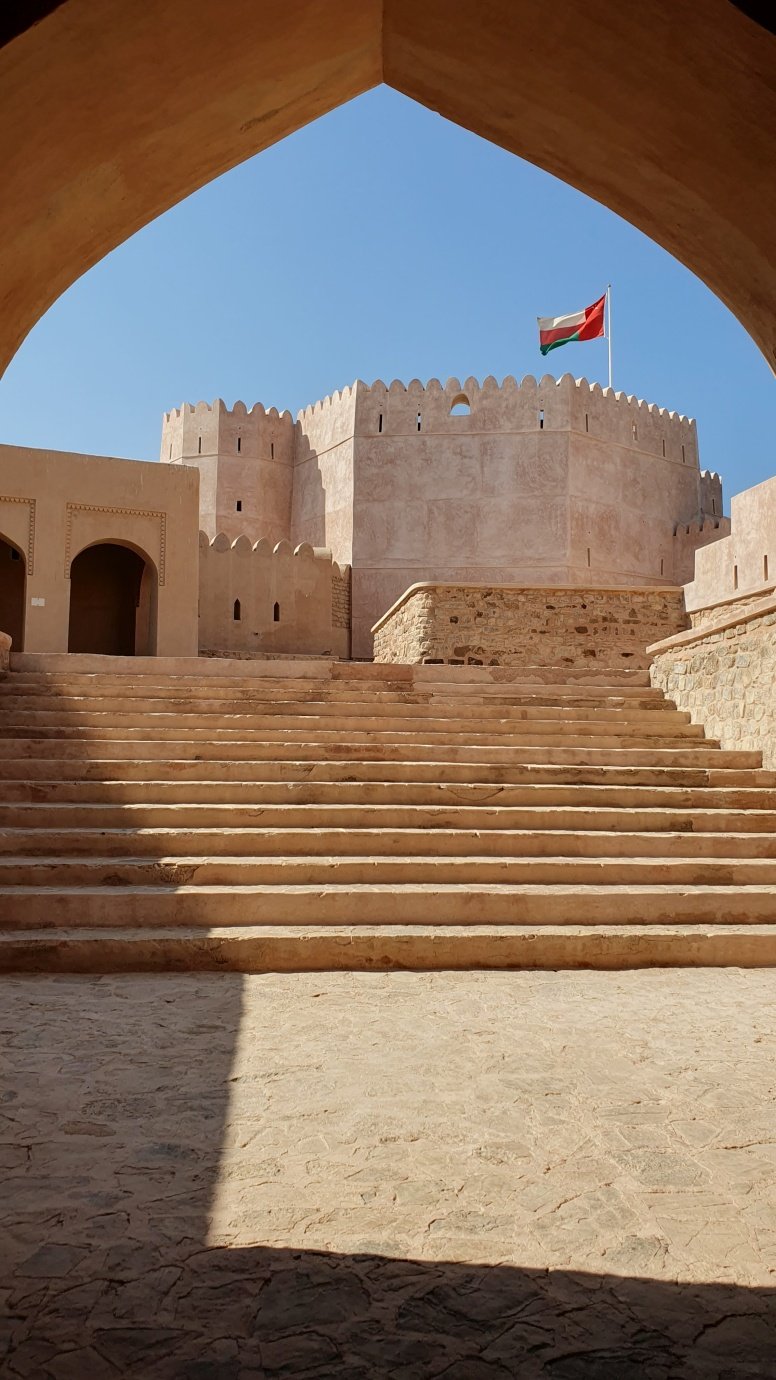
- Towers, defensive corridors, and historic gates.
- The justice hall, Imam’s wing, and reception rooms.
- Traditional military and storage facilities.
- Surrounding old markets that reflect everyday life in the past.
- Ideal spots for photographing traditional architecture and historical details.
Why Visit Barka Fort?
Adding this site to your itinerary enhances your Barka Fort tourism experience by offering:
- A cultural journey blending history with traditional architecture.
- Deeper insight into the defensive and administrative role of Omani forts.
- An authentic heritage site that is less crowded.
- A calm, enriching visit suitable for families, students, and history enthusiasts.
Best Time to Explore Barka Fort
- October to April for pleasant weather and comfortable tours.
- Early mornings or before sunset for ideal natural lighting and photography.
Step into the heart of Barka’s past. explore Barka Fort and experience history where it was lived.
Frequently Asked Questions About Barka Fort
Barka Fort is an important historical landmark that reflects Omani defensive architecture and governance. Built in the 17th century, it served as a seat of authority, a residence for the wali (governor), and a center for administration and justice, playing a key role in protecting the region and managing local affairs.
Barka Fort is located in the heart of Wilayat Barka, within the Al Batinah region of Oman. It sits near the traditional market area, approximately 1 km from the Gulf of Oman coast, making it easily accessible for visitors.
A typical visit to Barka Fort takes between 45 minutes to 1.5 hours, depending on the level of exploration and interest in architectural and historical details.
Yes, Barka Fort is suitable for families, students, and educational groups. Its open spaces, clear layout, and historical exhibits make it an engaging and educational destination for visitors of all ages.
Absolutely. Barka Fort is often included in archaeological and cultural tourism programs, especially those focusing on Omani forts, traditional architecture, and the historical development of the Al Batinah coast.
Visitors can explore watchtowers, defensive corridors, the justice hall, the Imam’s wing, residential rooms, storage areas, water wells, and traditional architectural details that illustrate daily life, defense strategies, and governance in historic Oman.