
Nestled inland within the historic maritime city of Sur, Bilad Sur Fort stands as one of the most significant military architecture landmarks in the Ash Sharqiyah South Governorate. Unlike the coastal watchtowers that guarded the harbor entrances, this inland fortress was designed as a central stronghold to safeguard the surrounding agricultural plains, inland trade routes, and local settlements. Surrounded by lush date palm groves and offering panoramic views across the region, it remains an essential stop for travelers exploring Oman’s rich heritage.
The Fort’s History and Defensive Role
The origin of Bilad Sur Fort dates back several centuries, serving as a primary pillar in the wilayat’s defensive history:
- Inland Military Defense: Constructed strategically inland, the fort was designed to defend the city against potential landward raids from rival tribes or foreign invaders entering through the surrounding valleys.
- Architectural Features: The complex features four distinct corner towers (named Al Khandaq, Al Murtafa’a, Al Buma, and Al Souq), high fortified walls, defensive ramparts, and embrasures for cannons.
- Administrative and Refuge Center: Beyond its military function, the fortress historically served as the seat of local governance, housing administrative rooms, weapon stores, date silos, and secure quarters to shelter townspeople during times of conflict.
Bilad Sur Fort Location Overlooking Sur’s Lagoon
Positioned slightly elevated within the interior plain, the fort enjoys a commanding geographical vantage point:
- Strategic Sightlines: The high watchtowers provide unobstructed views sweeping across Sur’s lagoon, the inner bay, and the surrounding date palm plantations, allowing early detection of approaching movements.
- Connection to Waterway Trade: The nearby lagoon historically served as a vital waterway for transport and fishing, linking inland agriculture directly with the active dhow building yards and maritime routes of the coast.
- Peaceful Oasis Setting: Today, the fort’s setting offers a quiet, scenic contrast to the bustling coastal port, surrounded by green farms and traditional Omani neighborhoods.
Coastal Maritime Landmarks
Standing gracefully at the entrance of Sur’s sea channel, the iconic Al Ayjah Lighthouse in Sur offers visitors panoramic views of traditional wooden dhows navigating the turquoise bay.
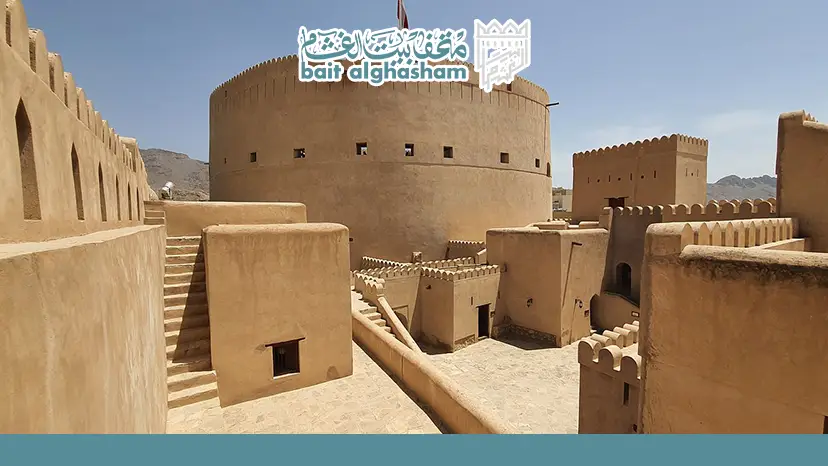
Combining the Visit With Al Ayjah Lighthouse and the Dhow Harbor
Exploring Bilad Sur Fort can easily be integrated into a broader coastal itinerary due to its proximity to the lighthouse and traditional harbor. Located just a short drive apart, these landmarks showcase the complete story of Sur’s dual identity as both an agricultural inland hub and a formidable maritime empire.
Al Ayjah Lighthouse
Located roughly 10 minutes east of the fort across the Khor Al Batah Suspension Bridge, the iconic white-and-blue Al Ayjah Lighthouse stands guard at the entrance of Sur’s lagoon channel. Originally built as a beacon and watchtower, it offers breathtaking panoramic views of the turquoise sea, historic white merchant houses, and traditional wooden dhows gliding into the harbor at sunset.
Sur Dhow Building Yard
Situated along the quiet waters of the inner lagoon, the famous Sur Dhow Factory is the last remaining shipyard of its kind in the region. Visitors can step directly into the open-air workshops to watch master shipwrights hand-craft traditional Omani wooden vessels (Ghanjah and Sambuk) using centuries-old techniques, raw teak wood, and hand tools without relying on modern blueprints.
Al Ayjah Watchtowers
Perched atop the rocky hills surrounding the bay, a series of historic watchtowers overlooks the coastal channel. These elevated outposts historically worked in tandem with Bilad Sur Fort, creating an interconnected early-warning defense grid that relayed signal fires and flag alerts from the sea deep into the inland settlements.
Rich Historical Heritage
From ancient bronze-age tombs to centuries-old coastal strongholds, discovering preserved archaeological landmarks in Oman provides travelers with a captivating glimpse into Arabia’s rich trade and cultural history.
The Fort’s Condition Today
Thanks to extensive and meticulous restoration projects overseen by Oman’s Ministry of Heritage and Tourism, Bilad Sur Fort stands today as an exceptionally well-preserved showcase of traditional Omani military architecture.
- ### Restored Masonry and Authentic Woodwork
The restoration was carried out using traditional building materials to maintain absolute historical integrity. Artisans used locally sourced stone, straw-reinforced mud brick, and natural sarooj plaster to reinforce the exterior walls and corner towers. Intricately carved Omani wooden doors, sturdy teak support beams, and decorated palm-trunk ceilings have all been fully restored to reflect the stronghold’s original 18th-century appearance.
- ### Enhanced Visitor Facilities and Accessibility
The fort features well-curated educational displays, clear bilingual informational signage (Arabic and English), paved footpaths, and ambient courtyard seating. Visitors can explore the multi-level corner towers, climb rampart stairways for elevated city views, and walk through fully restored interior rooms, including historical weapon stores, administrative quarters, and traditional date-press rooms (Mawadibs).
- ### Cultural Events and Community Heritage Venue
Beyond serving as a static historical monument, the open courtyards and surrounding palm gardens of Bilad Sur Fort regularly host local cultural festivals, National Day celebrations, and traditional craft markets. During peak tourist seasons, visitors can experience live demonstrations of Omani folk music, sword dances, and regional culinary arts right within the fortress walls.
Military Design and Craftsmanship
The intricate towers, straw-reinforced mudbrick walls, and carved teak doors found across the Sultanate showcase the distinctive elegance of traditional Omani Fort Architecture
Architectural Highlights of the Fort’s Four Towers
The defensive architecture of Bilad Sur Fort relies on its four corner watchtowers, each designed to address specific security threats from both external land routes and internal market approaches. Built with thick stone masonry, heavy timber joists, and defensive embrasures, these towers provided 360-degree surveillance across the plain:
Al Khandaq & Al Murtafa’a Towers
Positioned along the western and northern perimeters, Al Khandaq Tower (the Trench Tower) and Al Murtafa’a Tower (the Elevated Tower) were constructed to defend against incoming land raids from the interior valleys.
- Moat and Trench Monitoring: Al Khandaq directly overlooks the fort’s historic outer moat and dry trench system, preventing attackers from approaching the base of the outer walls undetected.
- Elevated Cannon Embrasures: Al Murtafa’a stands on slightly elevated ground, featuring heavy stone cannon ports (makharij) and narrow arrow slits angled downward. This allowed defenders to fire artillery across western desert tracks and landward trade routes leading into Sur.
Al Buma & Al Souq Towers
Situated on the eastern and southern flanks, Al Buma Tower and Al Souq Tower focused on internal security, administrative oversight, and communication with the surrounding settlement.
- Marketplace Surveillance: Al Souq Tower directly overlooks the town’s historic trading plaza, serving as an observation post to monitor commerce, prevent civil unrest, and guard agricultural produce entering the fort’s storage vaults.
- Command and Signals: Al Buma Tower housed multi-level guard quarters and served as an elevated signal station. Guards used flags during the day and torch fires at night to relay tactical warnings to nearby coastal watchtowers near Sur’s lagoon.
Practical Visitor Information: Opening Hours and Tickets
Planning your trip with up-to-date practical details ensures a smooth visit:
- Operating Hours: The fort is generally open to visitors Saturday through Thursday from 8:00 AM to 4:00 PM, and on Fridays from 8:00 AM to 11:00 AM and 2:00 PM to 4:00 PM.
- Entrance Fees: Standard admission tickets are nominal (usually around 1 to 3 OMR), with free or discounted entry available for young children and student groups.
- Best Time of Day: Visiting during the early morning or late afternoon provides comfortable temperatures for walking along open ramparts and ideal natural lighting for photography.
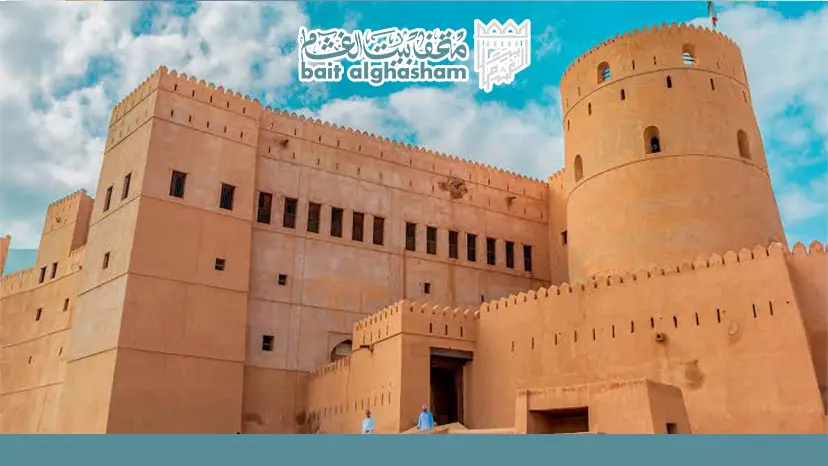
How to Get There and Parking Facilities
Reaching the fort from central Sur or nearby coastal landmarks is quick and straightforward:
- Driving Directions: From Sur city center or the coastal corniche, head southwest along the main inner city roads toward the Bilad Sur residential district following clear brown tourism signs.
- Parking & Accessibility: Ample free parking is available directly outside the main fort gate, accommodating private sedan cars, 4WD vehicles, and tour buses with paved accessibility paths.
Guided Cultural Adventures
To explore historic strongholds, coastal reserves, and mountain canyons with local experts, travelers frequently book curated Oman tours tailored to their travel preferences.
Frequently Asked Questions About Bilad Sur Fort
What is the history of Bilad Sur Fort?
Bilad Sur Fort was built several centuries ago to serve as the main inland defense center for the Wilayat of Sur. It protected the region’s agricultural plains and village settlements from landward threats, while also serving as a regional administrative and shelter hub.
Can it be combined with a visit to Al Ayjah Lighthouse?
Yes, combining both sites is very convenient. Bilad Sur Fort is located only 10 to 15 minutes by car from Al Ayjah Lighthouse, the suspension bridge, and the traditional Dhow Building Factory.
What is its current condition?
The fort is in excellent restored condition. Comprehensive restoration efforts have preserved its four corner towers, outer walls, courtyards, and interior rooms, making it a safe, clean, and highly educational heritage site for visitors.