
Tucked away in the pristine landscapes of the Ash Sharqiyah South Governorate, Al Saleel Nature Reserve is one of Oman’s most vital wildlife sanctuaries. Established by Royal Decree in 1997, this protected ecosystem spans over 220 square kilometers, providing a sanctuary for vulnerable species such as the Arabian Gazelle. Characterized by wide alluvial plains, rugged limestone hills, and dense forests of Samr acacia trees, the reserve stands out as a premier destination for quiet ecotourism and nature conservation in the Sultanate.
Where Is Al Saleel Nature Reserve Located?
Finding your way to this peaceful ecological sanctuary is straightforward for travelers exploring eastern Oman:
- Geographic Position: Located within the Wilayat of Al Kamil Wal Wafi in the Ash Sharqiyah South Governorate.
- Proximity to Major Cities: The reserve is situated roughly 57 kilometers inland from the coastal city of Sur and about 300 kilometers southeast of Muscat.
- Road Accessibility: The reserve is easily reached via paved highways connecting Muscat, Ibra, and Sur. A standard sedan can reach the administrative entrance, though exploring interior dirt tracks requires a 4WD vehicle.
Arabian Gazelles and Other Wildlife Species
Spanning a vast alluvial plain backed by rugged limestone hills, Al Saleel Nature Reserve protects a remarkably complete arid ecosystem. The combination of dense woodland cover, seasonal wadi beds, and legal environmental protection allows a rich web of native Arabian wildlife to thrive undisturbed across Ash Sharqiyah South.
Thriving Population of Arabian Gazelles
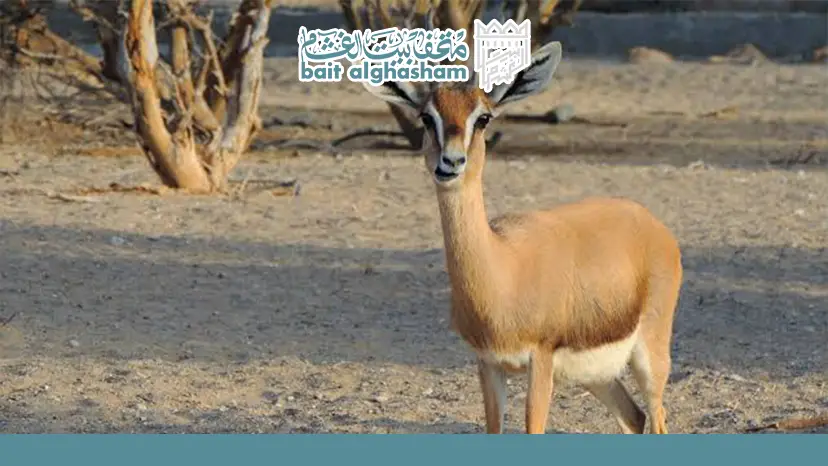
Al Saleel protects one of the largest and healthiest concentrations of the Arabian Gazelle (Gazella gazella) in the Sultanate, estimated to represent over 7% of the total wild population in Oman. Visitors exploring the reserve during early morning or late afternoon hours can frequently observe herds grazing along the open alluvial gravel flats or seeking shelter in the shade of acacia groves. The reserve’s perimeter fencing and anti-poaching ranger patrols have played a pivotal role in stabilizing gazelle numbers, allowing them to carry out natural breeding and foraging patterns without pressure from human encroachment.
Elusive Predators and Desert Mammals
Beyond gazelles, the sanctuary provides a vital refuge for several rare terrestrial mammals and small carnivores:
- Native Wildcats: The reserve shelters the elusive Omani wildcat (Felis lybica lybica) and Gordon’s wildcat (Felis silvestris gordoni), which hunt under the cover of darkness.
- Canids and Small Predators: Arabian red foxes (Vulpes vulpes arabica) and Jayakar’s sand boas navigate the scrubland, maintaining ecological balance by preying on desert rodents.
- Rodents and Small Mammals: Species such as the Brandt’s hedgehog, Wagner’s gerbil, and various spiny mice thrive in the rocky crevices, forming the primary prey base for local raptors and nocturnal predators.
Avian Diversity and Unique Flora
The physical environment of Al Saleel is anchored by one of Oman’s largest contiguous forests of Samr acacia trees (Acacia tortilis). These flat-topped umbrella acacias fix nitrogen in the soil, prevent erosion across wadi plains, and provide nutrient-rich pods and leaves that sustain the gazelles through dry summer spells.
The dense canopy also supports a thriving avian ecosystem:
- Resident Raptors: Birds of prey like the Lappet-faced Vulture, Egyptian Vulture, and Sooty Falcon nest in the higher acacia branches and surrounding mountain cliffs.
- Migratory and Native Passerines: Over 100 bird species have been cataloged in the reserve, including the Arabian Babbler, Crowned Sandgrouse, Desert Lark, and various migratory warblers that utilize the woodland as a crucial stopover during seasonal trans-continental journeys.
Endlessly Shifting Dunes
Experiencing a traditional bedouin night under the stars amidst the towering golden dunes of Sharqiya Sands Desert remains one of the most unforgettable wilderness highlights of eastern Oman.
Best Time to Visit Al Saleel Nature Reserve and Camp
Timing your trip according to climate conditions ensures a comfortable wilderness experience:
- Cooler Winter Season (October to April): The ideal window for visiting, with pleasant daytime temperatures between 20°C and 28°C—perfect for wildlife watching, photography, and gentle walks.
- Summer Heat Considerations (May to September): Summer temperatures frequently exceed 40°C, making daytime animal viewing difficult as wildlife seeks deep shade during peak hours.
- Camping and Overnight Stays: While wild camping inside the protected core is strictly regulated to protect animals, designated camping zones nearby offer tranquil overnight stays under unpolluted, starry skies.
Eco-Etiquette Rules Inside the Reserve
Preserving the fragile biodiversity of Al Saleel Nature Reserve relies heavily on responsible tourism practices. Because the reserve protects sensitive populations of Arabian gazelles and delicate Samr acacia forests, all visitors must adhere to strict environmental guidelines to ensure their presence leaves zero impact on the habitat:
Mandatory Permits and Guided Access
Unregulated entry into core conservation areas can disrupt wildlife breeding cycles and damage protected flora:
- Official Authorizations: All individual visitors, tour operators, and photography crews must obtain official entry permits from Oman’s Environment Authority or check in with local ranger stations at the main gate prior to entering.
- Ranger Escorts: For deep-reserve exploration, hiring an official local ranger or certified ecotourism guide is highly recommended. Guides ensure visitors remain within permitted zones while sharing educational insights about the local ecosystem.
Ethical Wildlife Observation
Observing wild animals in their natural element requires patience and strict behavioral restraint:
- Maintain Respectful Distance: Always observe Arabian gazelles, wildcats, and raptors from a distance using telephoto lenses or binoculars. Never approach herds on foot or attempt to corner animals against perimeter fences.
- Strict No-Feeding Policy: Feeding wild mammals alters their natural foraging habits, creates human dependency, and increases their susceptibility to disease.
- Vehicle Speed Limits: Drive at slow, controlled speeds (under 30 km/h) along internal tracks. Slow speeds prevent dust clouds from coating acacia leaves and reduce the risk of accidental vehicle strikes with gazelles crossing wadi beds.
Leave No Trace Principles
The arid desert environment decomposes waste slowly, making habitat preservation vital:
- Complete Waste Removal: Carry out all garbage, food scraps, and plastic packaging. Even organic waste like fruit peels can attract non-native pests or disrupt wild animal diets.
- Stick to Designated Tracks: Drive 4WD vehicles exclusively on marked gravel roads and established tracks. Off-road driving crushes fragile root networks of young acacia trees and destroys underground burrows of desert rodents and reptiles.
- Firewood Restrictions: Collecting deadwood or cutting branches from Samr acacia trees for campfires is strictly illegal. Deadwood provides essential micro-habitats for native insects, birds, and soil organisms. Visitors should bring their own eco-friendly charcoal or gas stoves for cooking.
Top Regional Activities
From observing wild gazelles in acacia forests and watching sea turtles nest on coastal shores to trekking emerald wadi pools, exploring these landscapes ranks high among the best things to do in Oman.
Flora of Al Saleel: The Significance of the Samr Acacia Trees
The vast forest of Samr acacia trees (Acacia tortilis) forms the ecological backbone of Al Saleel Reserve:
- Environmental Role: These umbrella-shaped trees prevent soil erosion across gravel plains, retain groundwater moisture, and offer essential shade for native mammals during extreme summer heat.
- Keystone Food Source: The nutrient-rich pods, leaves, and flowers of the acacia tree provide vital nourishment for Arabian gazelles, particularly during dry drought months when ground grasses wither.
Ranger Patrols and Wildlife Conservation Efforts
Protecting over 220 square kilometers of desert wilderness requires dedicated, round-the-clock conservation programs:
- Anti-Poaching Patrols: Trained local rangers patrol the perimeter and interior tracks daily to prevent illegal hunting, wood collection, and unauthorized entry.
- Scientific Research & Monitoring: The Environment Authority utilizes camera traps, GPS tracking, and seasonal census counts to monitor the health, population growth, and migration patterns of the gazelle herds.
Seamless Travel Planning
To navigate remote desert tracks, mountain passes, and protected wildlife reserves with complete comfort and peace of mind, travelers can easily book Oman tour itineraries tailored to their schedules
Nearby Cultural and Natural Attractions in Ash Sharqiyah South
Combining a visit to Al Saleel with neighboring landmarks makes for a rich, well-rounded day trip:
Wadi Bani Khalid
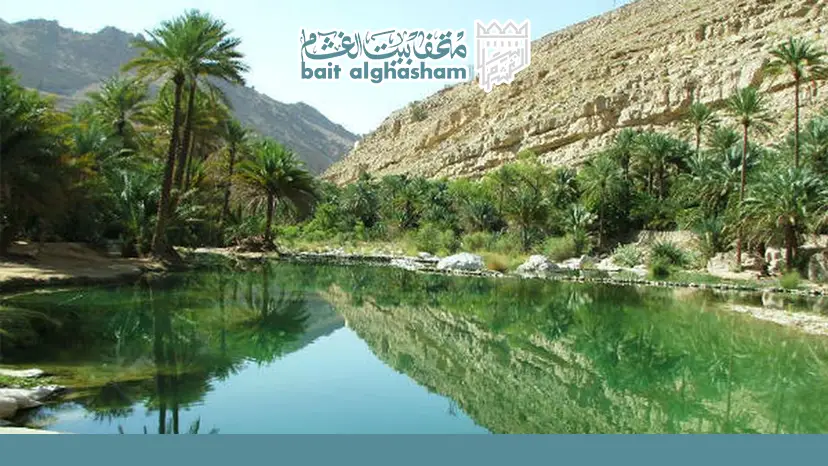
Located less than an hour’s drive northwest of the reserve, Wadi Bani Khalid offers a striking contrast to the arid acacia plains of Al Saleel. Famous for its year-round flowing water, this dramatic canyon features large, deep turquoise freshwater pools lined with lush date palm groves and steep limestone cliffs. Visitors can swim in the clear pools, trek along water channels (falaj systems), or explore the nearby Mukhal Cave to see subterranean rock formations.
Al Kamil Wal Wafi Castle
Situated just minutes from the reserve’s main gate in the neighboring town center, Al Kamil Castle is a restored historic stronghold built over three centuries ago. Constructed from stone, mud brick, and plaster, the castle showcases classical Omani architectural elements, including heavy defensive towers, intricate wooden ceiling beams, and historical weapon displays. The interior rooms house an extensive collection of regional copperware, ancient pottery, and traditional crafts, offering deep insight into local inland heritage.
Coastal and Desert Extensions
- Sharqiya Sands: Drive 40 minutes west to experience off-road dune bashing and sunset desert camping across the iconic golden dunes of Sharqiya Sands.
- Sur Coastal Landmarks: Travel 40 minutes northeast toward the coast to tour Bilad Sur Fort or watch sea turtles along the coast at Ras Al Jinz Turtle Reserve.
Expertly Guided Itineraries
Exploring historical forts, desert camps, and pristine coastal reserves with local knowledge is effortless when booking specialized Oman tours accompanied by certified local guides.
Frequently Asked Questions About Al Saleel Nature Reserve
What animals live in Al Saleel Reserve?
Al Saleel Nature Reserve is famous for its large population of Arabian gazelles. It also shelters Omani wildcats, red foxes, desert hedgehogs, numerous reptile species, and over 100 native and migratory bird species.
Is camping allowed inside?
Camping within the core protected zones is restricted to protect wildlife habitats. However, camping is allowed in designated buffer zones nearby with prior permission from the Environment Authority.
Where exactly is it located?
The reserve is located in the Wilayat of Al Kamil Wal Wafi within the Ash Sharqiyah South Governorate, roughly 57 kilometers from Sur and 300 kilometers southeast of Muscat.