
Carved into the rugged mountainsides of Ash Sharqiyah South, Wadi Tiwi Oman is a lush, vibrant canyon celebrated for its emerald waters, towering date palms, and ancient mountain settlements. Located just a short drive from its world-famous neighbor, Wadi Shab, this stunning gorge offers a deeper look into authentic rural life and dramatic highland scenery. Whether you are exploring its lush plantations or cooling off in its natural water basins, visiting Wadi Tiwi provides an unforgettable Omani adventure.
Where Is Wadi Tiwi Oman Located?
Finding your way to this iconic valley is straightforward for travelers exploring Oman’s eastern coastline:
- Geographic Position: Situated in the Ash Sharqiyah South Governorate, Wadi Tiwi lies roughly 140 kilometers southeast of Muscat and about 40 kilometers north of the coastal city of Sur.
- Proximity to Wadi Shab: The entrance to the wadi is located right next to Tiwi village, just a few minutes drive south of the entrance to Wadi Shab.
- Driving Access: A paved road leads off the main coastal highway into the mouth of the wadi. While sedan cars can access the initial villages, navigating deeper into the canyon’s narrow, winding, and steep mountain passes requires a 4WD vehicle.
The Seven Villages and Agricultural Terraces
Unlike more desolate canyons, Wadi Tiwi Oman is a thriving agricultural valley supported by generations of local communities:
- ### Exploration of Wadi Tiwi’s Seven Mountain Villages
The valley winds past seven distinct mountain settlements nestled along the canyon floor and clinged precariously to steep cliff faces. These traditional communities including Harat Bidah, Uma Bir, and the upper villages showcase traditional Omani stone architecture, narrow walking alleys, and historic mud-brick homes that reflect centuries of highland adaptation.
- ### Terraced Palm Farms and Ancient Irrigation Channels
A continuous green canopy of date palms cascades down the stepped cliffside terraces throughout the valley. Powered by the UNESCO-recognized falaj gravity-fed irrigation network, these mountain farms support a diverse agricultural harvest, yielding fresh dates, sweet bananas, figs, and papayas alongside traditional shade crops.
- ### Mibam Village: The Crown Jewel of Wadi Tiwi
Perched deep within the upper reaches of the canyon, Mibam Village serves as the highlight for most adventurers. Renowned for its dramatic cliffside stone dwellings, ancient agricultural terraces, and towering waterfall cascades tumbling into emerald plunge pools, Mibam offers sweeping panoramic views of the entire gorge below.
Unforgettable Coastal & Mountain Adventures
Exploring the emerald water pools and terraced mountain villages of this region stands out as one of the most rewarding [things to do in Oman](%20https://baitalghasham.com/en/tourism-in-the-oman/) for outdoor enthusiasts
Swimming in the Turquoise Pools
Water plays a central role in the appeal of Wadi Tiwi Oman, attracting outdoor lovers and swimmers alike:
Natural Pool Swimming:
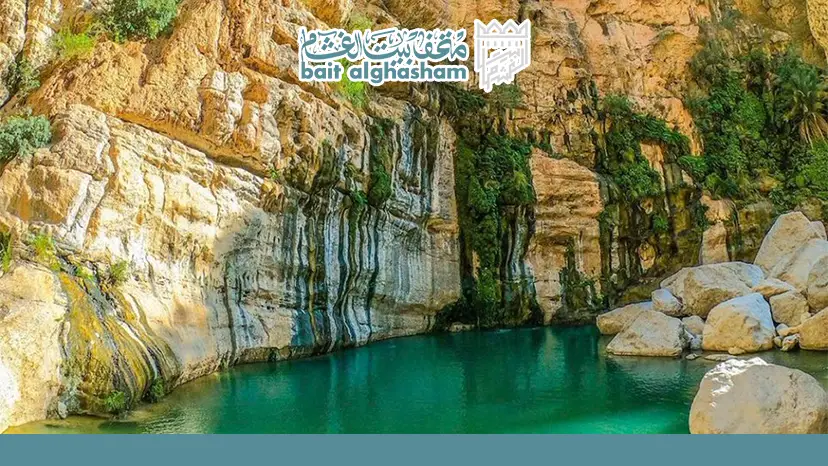
As you venture deeper into the canyon, the valley floor yields a sequence of deep, crystal-clear turquoise pools framed by massive limestone boulders and shaded by overhanging date palms. The natural spring-fed water remains delightfully crisp year-round, offering an invigorating escape from the coastal heat.
Mibam Waterfalls and Cliff Jumps:
The upper basins near Mibam Village feature dramatic cascades where mountain runoff tumbles over rock ledges into deep natural plunge pools. Adventure seekers frequently visit this upper section to swim beneath the waterfalls, leap from safe rock ledges into deep water, or enjoy a natural freshwater soak amidst terraced mountain scenery.
Essential Safety & Dress Guidelines:
Submerged limestone rocks are often coated in smooth algae, making water shoes with strong rubber grip essential for safe footing. Swimmers should exercise caution as water depths fluctuate significantly following seasonal rainstorms, and strong swimming ability is recommended for open-water sections. Out of respect for local villagers residing along the wadi banks, visitors should wear modest swim attire (such as t-shirts and shorts over swimwear) when entering or exiting the water.
Should You Visit It Alone or Combine It With Wadi Shab?
Deciding how to structure your day depends on your travel schedule, mobility preferences, and desired level of physical activity:
- Combining Both Wadis for a Full-Day Adventure: Because the coastal entrances to both valleys sit less than two kilometers apart, pairing them into a single action-packed day trip is one of the most popular itineraries in Ash Sharqiyah South. The optimal strategy is to complete the 45-minute river hike and cave swim at Wadi Shab early in the morning to beat the peak mid-day heat and tour buses, followed by a relaxing afternoon drive into Wadi Tiwi Oman for a scenic lunch among the terraced palm orchards and a refreshing dip in Mibam’s freshwater pools.
- Visiting Wadi Tiwi Alone for a Relaxed Experience: Dedicated travelers seeking an authentic, unhurried immersion into rural Omani mountain culture will find that devoting an entire day to Wadi Tiwi alone is deeply rewarding. Unlike its neighbor, Tiwi provides a quieter atmosphere centered around peaceful farm walks along ancient falaj channels, traditional village hospitality, and scenic cliffside photography all without needing the initial boat cross or the long, exposed foot trek required to enter Shab.
- The Critical 4WD Vehicle Advantage: Navigating past the initial entrance requires driving along a narrow, single-lane road carved directly into the mountain rock. Having a high-clearance 4WD vehicle allows you to ascend safely to high-elevation vantage points like Mibam Village, giving you direct road access to deep canyon waterfalls and sweeping valley views without hours of strenuous uphill walking under the sun.
Combining Neighboring Wadis
If you are exploring the eastern coast, you can easily pair your trip with a morning hike to [Wadi Shab Oman](%20https://baitalghasham.com/en/blog/wadi-shab-oman/) before heading into nearby mountain canyons for an afternoon drive.
Best Time to Visit Wadi Tiwi Oman
Planning your trip around local seasonal conditions ensures an enjoyable and comfortable experience in the canyon:
- Cooler Winter Months (October to April): This is the ultimate window for visiting Wadi Tiwi Oman. Daily temperatures range between 20°C and 28°C, creating perfect conditions for driving through steep passes, hiking around Mibam Village, and taking a refreshing dip in the mountain pools without struggling against severe heat.
- Summer Season Considerations (May to September): High summer brings scorching temperatures often exceeding 40°C during peak hours. If visiting during the summer, plan your trip for early morning or late afternoon, stay hydrated, and limit physical hiking under direct sunlight.
- Rainfall and Flash Flood Precautions: Heavy rainfall in the Al Hajar Mountains can transform calm pools into dangerous flash floods within minutes. Always check local weather forecasts prior to entering the wadi, and avoid driving or swimming if storm warnings are active.
Guided Travel Solutions
To navigate steep mountain roads, historic fortresses, and hidden canyons smoothly with local experts, travelers often book curated [Oman tours](%20https://baitalghasham.com/en/) tailored to their interests.
What to Wear and Cultural Etiquette
Because Wadi Tiwi Oman is a living community home to traditional Omani families, observing local customs is essential for respectful travel:
- Modest Swimwear Guidelines: While swimming is a highlight of visiting the wadi, public modesty is deeply respected in local culture. Both men and women should wear t-shirts and long shorts over their swimwear when entering the water or walking through village paths, avoiding revealing bikinis or trunks.
- Respecting Local Privacy and Farms: The terraced palm orchards and fruit trees are private farmland owned by local villagers. Stick to established public footpaths along the falaj channels, avoid picking crops, and refrain from photographing residents—especially women and children—without explicit verbal permission.
Essential Packing List for Wadi Tiwi
Packing the right gear will ensure your mountain drive and water swim go smoothly:
- Traction Footwear: Rocks inside and around the water basins are covered in slick algae. Sturdy water shoes or quick-drying amphibious sandals with strong rubber grip are mandatory to prevent slips, while lightweight trail runners work best for village walking.
- Sun Protection & Hydration: Bring broad-spectrum sunscreen, polarized sunglasses, and a wide-brimmed hat to guard against intense high-altitude sunlight. Carry at least 2 to 3 liters of fresh drinking water per person, as commercial shops inside the upper villages are limited.
- Waterproof Gear: A durable dry bag is indispensable for keeping smartphones, car keys, and camera equipment safe from water splashes while navigating near the waterfalls or wading through deep pool crossings.
Customizable Itineraries
Whether you prefer high-altitude trekking, desert dune camping, or coastal wildlife watching, choosing multi-day [Oman tour packages](%20https://baitalghasham.com/en/visit-packages/) ensures a seamless and hassle-free journey across the Sultanate.
Frequently Asked Questions About Wadi Tiwi Oman
Where is Wadi Tiwi located?
Wadi Tiwi is located in the Ash Sharqiyah South Governorate along the eastern coast of Oman. It lies approximately 140 kilometers southeast of Muscat and about 40 kilometers north of Sur, situated right next to the coastal village of Tiwi and just south of Wadi Shab.
Can it be combined with a Wadi Shab visit?
Yes, combining both wadis into a single day trip is easy and highly recommended. The entrances to Wadi Shab and Wadi Tiwi are less than two kilometers apart. Travelers often hike and swim in Wadi Shab in the morning to beat the crowd and heat, then take a scenic drive into Wadi Tiwi in the afternoon for lunch and a plunge in Mibam’s pools.
Is swimming there safe?
Swimming is generally safe, provided you exercise basic precautions and have reasonable swimming ability. The natural rock surfaces under and around the pools can be extremely slippery with algae, making sturdy water shoes essential. Water levels and currents can change rapidly after heavy rainfall, so avoid swimming during flash flood warnings, and note that there are no lifeguards on duty.