
Discovering the Sultanate requires understanding its administrative and geographical structure. The Governorates of Oman showcase an astonishingly varied landscape, bridging ancient coastal trading towns, expansive gravel deserts, and cool tropical mountain ranges. Whether you are seeking historic fortresses, coastal fjords, or misty green valleys, each governorate presents a distinct cultural identity and natural environment.
How Many Governorates Does Oman Have?
To streamline governance and preserve regional heritage, the country is officially structured into administrative regions. The total number of Oman’s governorates reflects a rich mix of coastal hubs, desert hinterlands, and island enclaves. In total, the Governorates of Oman consist of 11 primary regions:
- Muscat: The vibrant capital region serving as the commercial, diplomatic, and historic heart of the country.
- Dhofar: The southernmost governorate, famous for its tropical summer monsoon (Khareef) and frankincense heritage.
- Musandam: The northern peninsula enclave renowned for its dramatic fjord-like landscapes (Khasab).
- Al Buraimi: A northwestern desert governorate bordering the UAE, rich in oasis history.
- Ad Dakhiliyah: The mountainous interior heartland, home to Nizwa, Jebel Akhdar, and ancient Omani forts.
- North Al Batinah: A bustling northern coastal plain centered around the historic port city of Sohar and traditional fishing towns like Al Khaburah.
- South Al Batinah: A fertile agricultural and heritage zone home to dramatic wadis, hot springs, and historic mansions.
- North Ash Sharqiyah: Famous for rolling desert dunes (Wahiba Sands) and historic oasis villages.
- South Ash Sharqiyah: The easternmost coastal edge, featuring the maritime port of Sur, turtle reserves, and ancient coastal ruins.
- Al Wusta: A central desert plateau known for its vast coastal beaches and unique wildlife reserves.
- Ad Dhahirah: A western desert plain bridging agricultural valleys and ancient archaeological settlements like Bat.
The Best Governorate for Each Type of Tourism (Heritage, Nature, Beaches)
Understanding the tourism character of each region helps travelers build a tailored itinerary based on their travel interests:
Heritage & History (Ad Dakhiliyah & South Al Batinah)
For history buffs and culture seekers, Ad Dakhiliyah and South Al Batinah serve as the beating heart of Omani heritage. Heading into Ad Dakhiliyah allows travelers to tour monumental landmarks such as Nizwa Fort, the UNESCO-listed Bahla Castle, and the ancient terraced farms of Jebel Akhdar. Complementing this, South Al Batinah invites visitors to wander through authentic mud-brick villages, historic castles like Nakhal and Rustaq, and lovingly restored living museums that showcase traditional Omani craftsmanship and royal history.
Tropical Climate & Greenery (Dhofar)
Dhofar offers a startling contrast to the rest of the Arabian Peninsula. Driven by the annual monsoon season (Khareef) between July and September, the southern region turns into a lush, misty paradise featuring cascading waterfalls, flowing wadis, and cooler temperatures. Uncovering the iconic places to visit in Salalah from frankincense parks to banana plantations—stands out as one of the most rewarding things to do in Oman during the summer months.
Desert & Adventure (North Ash Sharqiyah & Al Wusta)
Travelers seeking vast open spaces, starry night skies, and thrilling off-road dunes will find their ideal escape in North Ash Sharqiyah and Al Wusta. North Ash Sharqiyah is famous for the sweeping amber dunes of the Wahiba Sands (Sharqiya Sands), where visitors can indulge in dune bashing, camel trekking, and traditional Bedouin desert camps. Further south, the expansive gravel plateau and coastal shores of Al Wusta deliver pristine, off-grid wilderness camping and unique wildlife encounters.
Coastlines & Beaches (Muscat, South Ash Sharqiyah, & Musandam)
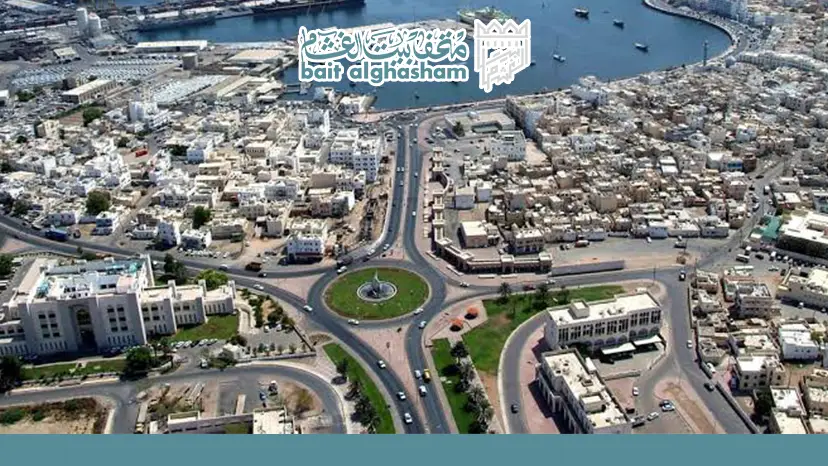
Spanning thousands of kilometers, Oman’s diverse shoreline satisfies every seaside preference. Starting in the capital, exploring the premier places to visit in Muscat leads travelers to golden public beaches, luxury waterfront resorts, and dolphin-watching cruises. Heading east to South Ash Sharqiyah opens up the sea turtle nesting sanctuaries of Ras Al Jinz and the maritime heritage of Sur. Meanwhile, the northern enclave of Musandam features breathtaking limestone fjords (khors), secluded bays, and crystal-clear waters perfect for dhow cruises, snorkeling, and world-class scuba diving.
Where Wadi Al Maawil and Barka Fit in This Division?
Situated strategically between the dramatic Western Hajar Mountains and the sparkling Gulf of Oman, Wadi Al Maawil and Barka form two vital Wilayats (provinces) within the South Al Batinah Governorate. Together, they bridge coastal commercial hubs with historic inland oasis valleys, playing a central role in the region’s economic and cultural identity.
Barka: The Coastal Gateway and Agricultural Hub
Stretching along the coastline just west of Muscat, Barka acts as a dynamic maritime and agricultural center. The province is famous for its lively traditional fish market, vast organic farms, and coastal strongholds like Barka Fort and An Naman Castle. Historically significant as a defensive barrier and trading post, Barka is also renowned for preserving unique Omani cultural traditions, including traditional bull-fighting arenas (Tahnih) and authentic halwa-making workshops, making it an essential coastal stop for travelers moving between Muscat and the interior governorates.
Wadi Al Maawil: The Ancient Oasis and Heritage Sanctuary
Located just inland toward the shadows of the Nakhal mountain range, Wadi Al Maawil is a fertile oasis valley defined by ancient Falaj irrigation channels, dense date palm groves, and fortified historic hamlets. The valley’s strategic position along old trade routes leading into the mountains led to the construction of numerous mud-brick watchtowers, citadels, and grand merchant residences. Places like Al Afreet and Haret Ash-Shara preserve centuries of traditional Omani vernacular architecture, offering an immersive look into rural Omani life.
Cultural Milestone: Bait Al Ghasham Museum
As a crowning architectural jewel of South Al Batinah, Wadi Al Maawil hosts the prestigious Bait Al Ghasham Museum. This restored 200-year-old mud-brick mansion once served as a royal residence and cultural sanctuary. Today, it stands as a living museum showcasing historic manuscripts, traditional household artifacts, and intricate Omani craftsmanship. The presence of such preserved architectural landmarks cements South Al Batinah’s reputation as an indispensable destination on any Omani cultural itinerary.
How to Plan Your Trip Across Governorates?
Traversing the Governorates of Oman is remarkably efficient and rewarding thanks to a modern, highly maintained highway network that links coastal capitals to inland desert oases. To ensure a hassle-free itinerary across regions, consider these essential planning strategies:
- Fly into Main Hubs: Begin your journey at Muscat International Airport to explore northern regions or fly directly into Salalah Airport (Dhofar) depending on your primary travel season and preferences.
- Book Tailored Packages with Experts: Partnering with regional specialists like Bait Al Ghasham Group simplifies travel logistics across governorates. As a premier tour operator and owner of heritage landmarks, Bait Al Ghasham Group organizes fully customizable Oman tour packages handling hotel bookings, private transportation, guided fort excursions, and desert safaris.
- Combine Neighboring Regions: Design balanced multi-day itineraries by pairing coastal explorations in Muscat and South Al Batinah with a 2-hour scenic drive inland to the mountains of Ad Dakhiliyah on expertly guided Oman tours.
- Choose the Right Vehicles: A standard sedan is sufficient for navigating well-paved main highways connecting Muscat, Barka, Sur, and Nizwa. However, engaging organized tours or renting a 4×4 vehicle is necessary when venturing off-road into desert dunes like Wahiba Sands or ascending steep mountain climbs like Jebel Akhdar.
Coastal Enclaves and Islands: Musandam and Masirah
Beyond the main landmass of the Sultanate, Oman’s unique geography includes remarkable coastal enclaves and island territories:
- Musandam Peninsula: Separated from the rest of Oman by the UAE, this northernmost enclave is famous for the Strait of Hormuz, towering limestone fjords, and secluded fishing hamlets like Khasab.
- Masirah Island: Located off the coast of the South Ash Sharqiyah Governorate, Masirah is Oman’s largest island, world-renowned for windsurfing, sea turtle nesting beaches, and serene, windswept coastlines.
- Daymaniyat Islands: Situated just off the coast of Muscat and South Al Batinah, this protected marine reserve offers some of the best coral reef snorkeling and diving opportunities in the Middle East.
Culinary Traditions Across Different Omani Regions
Each governorate’s distinct climate, trade history, and geography have shaped its local gastronomy over centuries, creating a rich tapestry of flavors across the Sultanate:
Coastal Seafood Delicacies (Muscat, South Ash Sharqiyah, & Al Batinah)
Along Oman’s extensive coastline, centuries of seafaring traditions dictate the daily menu. Coastal governorates like South Ash Sharqiyah, Muscat, and North and South Al Batinah rely heavily on the day’s fresh catch from the Arabian Sea and Gulf of Oman. Signature dishes feature kingfish, yellowfin tuna, cuttlefish, and grilled rock lobster—often marinated in Bezar (a fragrant Omani spice mix of dry lime, cardamom, coriander, and turmeric) and served alongside aromatic basmati rice or Cuttlefish Curry. In coastal hubs like Sur, traditional sun-drying methods are still used to preserve fish for seasonal stews.
Mountain and Oasis Produce (Ad Dakhiliyah & South Al Batinah)
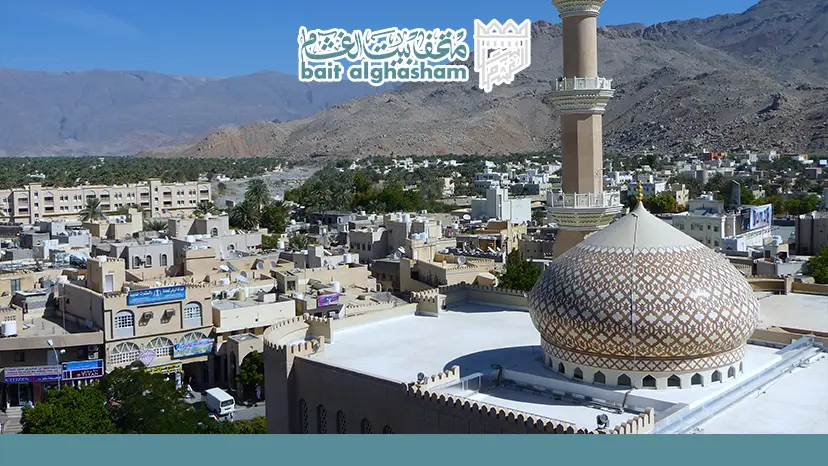
Inland, the fertile terraced farms of Ad Dakhiliyah and South Al Batinah yield some of the peninsula’s finest agricultural treasures. These regions are world-renowned for cultivating premium date varieties—such as Khalas, Fardh, and Khasab—which serve as the cornerstone of Omani hospitality when paired with cardamom-infused Kahwa (Arabic coffee). The cool, high-altitude slopes of Jebel Akhdar produce sweet pomegranates, walnuts, figs, and apricots, alongside the famous Damascus roses harvested annually to distill pure Omani rosewater used in desserts like Omani Halwa.
Southern Frankincense and Flavors (Dhofar)
Influenced by ancient monsoon trade routes with East Africa and South Asia, Dhofar’s culinary landscape stands apart from the rest of the country. The region’s tropical climate allows for the cultivation of fresh coconuts, papayas, and bananas around Salalah. Local specialties include Mouthbe—tender beef or chicken seasoned with local herbs and slow-cooked over hot white wadi pebbles—and rich coconut-based curries. To conclude a meal, drinks are often infused with subtle notes of local frankincense resin or served as aromatic spiced teas.
Seasonal Best Times to Visit Each Governorate
Because Oman’s climate varies significantly between the northern mountains, central deserts, and southern coast, timing your visit is key:
- October to April (Winter Peak): The ideal window for exploring Muscat, Ad Dakhiliyah, Ash Sharqiyah, and South Al Batinah, with mild sunny days ranging between 20°C and 28°C.
- July to September (Dhofar Khareef Season): While the northern desert regions experience high summer heat, Dhofar in the south enjoys cool monsoonal rains, fog, and lush green landscapes.
- Year-Round Mountain Escapes: High-altitude destinations like Jebel Akhdar and Jebel Shams in Ad Dakhiliyah stay significantly cooler than the lowlands year-round, offering a fresh mountain breeze even in mid-summer.
Frequently Asked Questions About Omani Governorates
How many governorates does Oman have?
Oman is divided into 11 administrative governorates. These regional divisions govern the country’s diverse landscapes, ranging from capital hubs and coastal plains to mountain ranges and desert plateaus.
Which governorate best suits heritage tourism?
Ad Dakhiliyah and South Al Batinah best suit heritage tourism. Ad Dakhiliyah is home to historic strongholds like Nizwa Fort and Bahla Castle, while South Al Batinah features restored mud-brick castles, living museums like Bait Al Ghasham, and ancient watchtowers.
Where does Barka fall within the governorates?
Barka falls within the South Al Batinah Governorate. Situated along the northern coast of Oman just west of Muscat, Barka serves as a major coastal and agricultural gateway famous for its seaside fort, vibrant fish market, and traditional heritage sites.
What are the two primary tourism hubs in Oman?
Muscat and Dhofar represent the two major tourism centers, offering a contrast between the historical capital city and the tropical monsoon climate of the south.
Which governorate is best for historic forts?
Ad Dakhiliyah and South Al Batinah contain the highest concentration of restored forts, castles, and historic mud-brick villages in the Sultanate.
Is it easy to travel between governorates in Oman?
Yes, high-speed paved highways connect all major cities and governorates, making road trips efficient and safe for international travelers.