
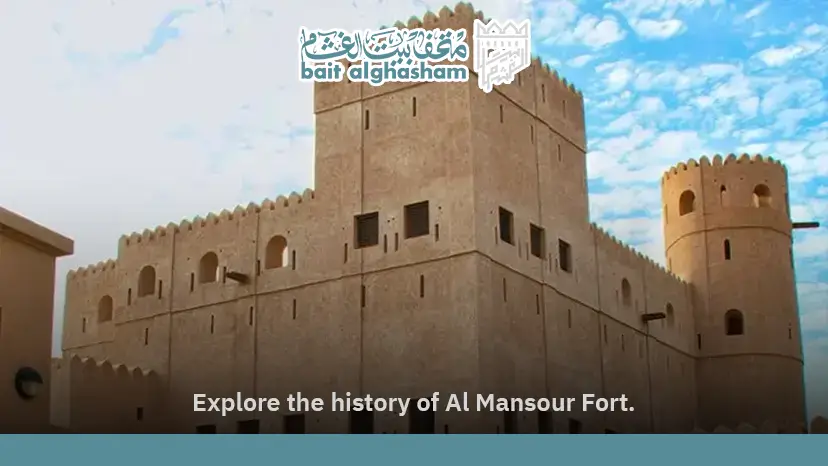
Discovering the Artifacts at Bait Al Ghasham Museum provides a profound look into nineteenth-century domestic life and governance in the region. This restored architectural masterpiece houses an exceptional collection of traditional weaponry, intricate silver jewelry, and everyday historical tools. Serving as a vital window into the past, it reflects the deep cultural wealth of the Sultanate. Exploring these exhibits connects visitors directly with the vibrant traditions of early Arabian societies.
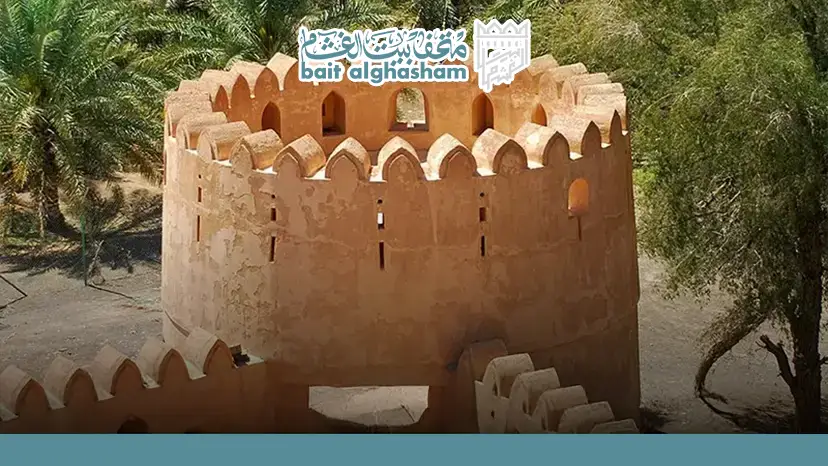
The Most Remarkable Artifacts at Bait Al Ghasham Museum
- Authentic Silverware: Extensive displays featuring heavy bridal bracelets, necklaces, and anklets that perfectly encapsulate classic Omani artifacts.
- Antique Weaponry: Masterfully crafted daggers with intricate wire-work embroidery alongside old muskets, symbolizing the strength of Historic Forts in Oman.
- Domestic Tools: An array of decorative wooden chests and traditional copper coffee pots representing deep-rooted Oman Heritage.
- Textile Exhibits: Authentic regional costumes and vibrant traditional garments utilized by past generations for various social functions.
- Numismatic Collections: Specialized displays featuring ancient Islamic coins and currency previously circulated across the maritime trade routes.
- Building Materials: The restored structure itself, utilizing indigenous mountain stones and traditional plaster, represents a prime example of historical Fort Architecture.
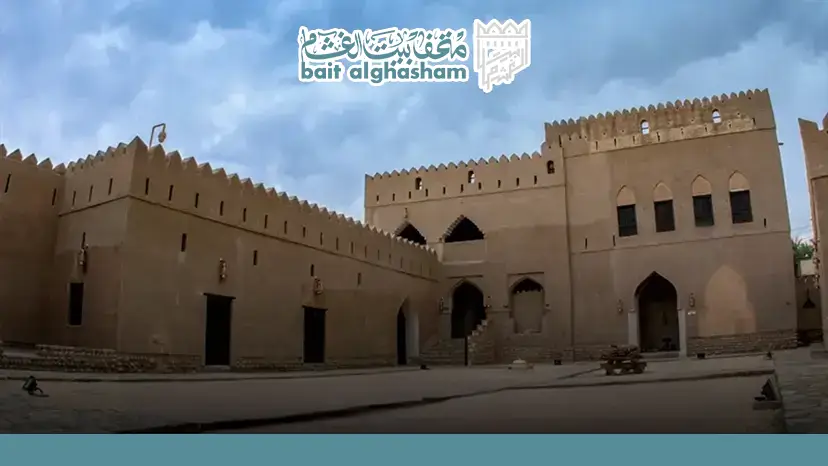
Traditional Omani Artifacts at Bait Al Ghasham Museum
The diverse collections presented inside this historical residence provide an intimate glimpse into the daily life, governance, and artistry characterizing 19th-century society.
These exhibits brilliantly categorize the tools and adornments essential to both survival and status.
- Combat and Ceremonial Weapons: Ornate daggers featuring detailed silver filigree, alongside long-barrel rifles integral to the defense systems of Omani Forts.
- Jewelry and Cosmetics: Chunky silver necklaces and intricately carved eyeliner containers that serve as beautifully preserved historical artifacts.
- Household Utilities: Earth-toned clay vessels utilized for cooling water and heavy wooden chests adorned with brass studs.
- Textiles: Hand-woven silk dresses representing regional styles, alongside finely stitched caps displaying unique geometric patterns.
- Economic Instruments: Ancient scale systems and weights used historically during the maritime
- trading zenith of Omani History.
| Artifact Category | Key Items Displayed | Historical Purpose | Material Composition |
| Weaponry | Daggers, Muskets, Swords | Tribal defense, Ceremonial status | Silver, Iron, Wood |
| Household | Coffee Pots, Clay Vessels | Water storage, Hospitality rituals | Copper, Clay, Brass |
| Adornments | Anklets, Necklaces, Rings | Bridal dowry, Wealth display | Solid Silver |
| Textiles | Dresses, Embroidered Caps | Regional identity, Modesty | Silk, Cotton |
What the Artifacts at Bait Al Ghasham Museum Reveal About Oman’s History
The carefully curated collections inside the museum transcend simple display purposes, acting instead as a tangible record of domestic life, social hierarchies, and international trade networks during the nineteenth and early twentieth centuries.
1. Global Commerce Connections
- Imported brass-studded chests and rare woods demonstrate active maritime trade routes with surrounding continents.
- Foreign currency displays show deep integration into Indian Ocean commerce.
2. Social Hierarchies and Status
- The complexity of silver wire-work on ceremonial daggers reflects the wealth and prestige of the wearer.
- Defensive weaponry and architecture emphasize the need for strongholds akin to Al Mansour Fort during turbulent political eras.
3. Mastery of Local Resources:
- Water-resistant plastering showcases advanced historical engineering adapted to harsh desert climates.
- Specialized metalworking industries thrived, evident in the detailed copper craftsmanship of everyday household items.
4. Cultural Values and Routines
- Central coffee-making tools highlight traditional hospitality as a foundational pillar of diplomacy and community gathering.
- Varied regional dresses demonstrate how religious modesty and vibrant artistic expression
- coexisted, forming essential Cultural Landmarks Oman.
Preserving the Artifacts at Bait Al Ghasham Museum
Protecting a 200-year-old mudbrick mansion and its delicate historical contents requires an intricate blend of ancient engineering techniques and modern conservation science.
The museum actively shields its collection from the harsh desert climate through precise structural and environmental management.
Structural Maintenance Practices
- Conservators apply burnt clay plaster to seal exterior walls against moisture while allowing the building to naturally breathe.
- Rare wood beams receive natural oil treatments to prevent termite damage without corrosive chemicals, a technique echoing Al Mansour Fort History.
- Local mountain stones reinforce structural foundations without altering the original historical design.
Climate and Environmental Controls
- Thick mudbrick walls facilitate passive cooling, protecting organic materials from extreme heat.
- Regulated ventilation systems maintain low coastal humidity, preventing antique weaponry from rusting and fabrics from molding.
- Specialized shielding keeps delicate items like ancient manuscripts away from direct, degrading sunlight.
Specialized Collection Care
- Historical jewelry undergoes routine cleaning with non-abrasive polishes to carefully remove oxidized layers.
- Antique garments rest on acid-free mounts to distribute weight and prevent old fibers from tearing.
- Iron components of firearms receive microcrystalline wax coatings to block ambient moisture.
Tips for Viewing Artifacts at Bait Al Ghasham Museum
To fully appreciate this 200-year-old restored residence, visitors must know exactly what to look for and how to navigate the exhibition spaces efficiently.
Utilizing practical strategies maximizes the educational experience:
- Optimizing the Visit Schedule:
- Arrive during the early morning hours to benefit from cooler temperatures and softer courtyard light.
- Avoid midday weekday hours to bypass large, crowded school group tours.
- Allocate a minimum of two hours to thoroughly inspect both floors.
- Following a Strategic Route:
- Begin on the ground floor to explore heavy household items, pottery, and agricultural tools.
- Ascend to the upper level to view delicate jewelry, rare daggers, and historic textiles.
- Look upward frequently to admire the beautifully painted wooden ceiling beams.
- Spotting the Small Details:
- Examine dagger handles closely to identify rare carved materials.
- Study traditional garments up close to appreciate precise hand-embroidered threads.
- Search for tiny geometric assay marks stamped into heavy silver bracelets.
- Respecting the Historical Space:
- Avoid touching exposed wooden chests to prevent skin oils from causing damage.
- Disable camera flashes to protect sensitive silk textiles from light degradation.
- Engage local guides to uncover the rich personal histories behind specific displays.
FAQs About Artifacts at Bait Al Ghasham Museum
When was Al Mansour Fort built?
While Bait Al Ghasham dates back roughly 200 years to the 19th century, Al Mansour Fort’s specific origins align with the Al Ya’aruba and Al Busaidi dynasties, serving as a critical defensive and administrative stronghold during periods of regional expansion.
Why is Al Mansour Fort historically significant?
It holds deep historical significance due to its strategic military positioning. The structure served to protect vital trade routes, secure local agricultural oases, and maintain political stability during tribal conflicts, functioning as a primary administrative center.
Who built Al Mansour Fort?
The fortress was primarily developed and fortified by prominent Imams of the ruling dynasties, specifically during the era of Imam Ahmed bin Saeed, who utilized such structures to consolidate power and defend the interior regions.
What architectural features make Al Mansour Fort unique?
The architecture stands out due to its massive cylindrical watchtowers, thick mudbrick and stone defensive walls, concealed firing ports, and internal wells that allowed the garrison to withstand prolonged sieges without external water supplies.
Can visitors explore Al Mansour Fort today?
Yes, many historical forts in the region have been carefully restored by the Ministry of Heritage and Tourism. Visitors can explore the intricate courtyards, climb the defensive towers, and view historical relics preserved inside the rooms.