
The diverse Tourist attractions in Dhofar are vital for Tourism in the Sultanate of Oman, offering beautiful mist-shrouded mountains and unique desert oases.
Best tourist attractions in Dhofar for nature lovers
For those who want to immerse themselves in pristine ecosystems, Dhofar’s unique geography delivers some of the most stunning landscapes in the Middle East. If you are a fan of untouched wilderness and nature tourism, the geological diversity found here makes these locations the absolute best Tourist attractions in Dhofar:
- Jabal Samhan (The Grand Canyon of Dhofar): As one of the highest mountain ranges in Dhofar Oman (reaching heights of over 2,100 meters), the Jabal Samhan Nature Reserve offers a dramatic “View Above the Clouds.” Standing at the edge of its massive, sheer limestone cliffs looking down at a vast ocean of white clouds trapped against the mountain peaks is an ethereal experience. It is also one of the last wild sanctuaries for the endangered Arabian leopard.
- Wadi Darbat: This spectacular valley is the undisputed jewel of the southern Oman natural heritage. Flanked by dramatic, towering cliffs, this expansive green valley features a serene, year-round freshwater river. During the Khareef season, visitors can rent pedal boats or kayaks, observe herds of wild camels grazing freely along the banks, and trek through thick, dense orchards of native sidr and wild fig trees.
- Ayn Razat: Located just a short drive from Salalah, this is one of the most abundant natural freshwater springs in the region. The area surrounding the spring has been beautifully developed into a peaceful sanctuary with lush manicured gardens, flowing streams, and natural caves carved into the mountainside, offering a perfect, cool retreat for families and hikers.
- Jabal Ittin: A majestic mountain plateau that offers some of the most accessible green landscapes during the monsoon. The entire mountain becomes carpeted in vibrant emerald grass, providing lush panoramic viewpoints, misty walking trails, and traditional outdoor seating areas where you can experience the crisp, refreshing mountain
After spending your day exploring the misty green valleys, discovering the top places to visit in salalah at night allows you to experience the vibrant local street food scene and illuminated coastal lookouts after sunset
Top places in Salalah and Dhofar region
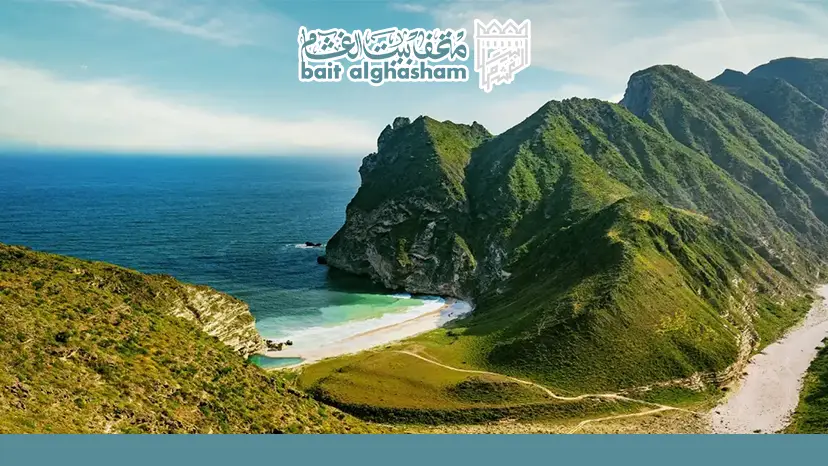
While the wild landscapes call out to explorers, the urban and historical centers of Salalah serve as the perfect base camp, blending ancient history with coastal charm.
- Al Baleed Archaeological Park: Located right within Salalah, this UNESCO World Heritage site seamlessly bridges history with nature tourism. The ancient frankincense shipping port is set along beautiful coastal lagoons (khors) where migratory birds, including elegant pink flamingos, congregate at dawn.
- The Coconut Fruit Shuts: A distinct cultural icon of the capital city. Driving through the tropical lanes of Salalah rewards you with rows of thatched fruit stalls offering fresh bananas, papayas, and chilled coconut water served right out of the shell.
If you want to transition from Dhofar’s tropical nature to Oman’s deep historical interior, exploring the iconic nizwa tourist places like its ancient fort and bustling traditional souq is an absolute must.
Waterfalls and green landscapes in Dhofar
The sheer abundance of flowing freshwater springs (Ayn) and seasonal cascades sets this region apart as a true ecological wonder. For travelers focusing on nature tourism, tracking the seasonal water networks reveals some of the most dynamic Tourist attractions in Dhofar:
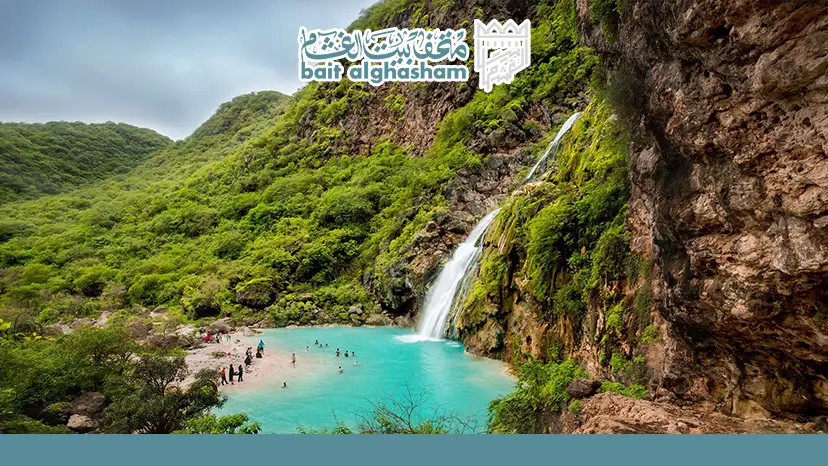
- Ayn Athum & Ayn Khor: These hidden limestone valleys house some of the most jaw-dropping seasonal waterfalls in the Sultanate. Tucked deep within dense, ancient woodlands, the water cascades down massive moss-covered rock faces into brilliant, turquoise plunge pools that feel completely disconnected from the surrounding desert geography.
- Wadi Darbat Waterfall: During peak rainfall in the Khareef monsoon, the overflowing river system of Wadi Darbat creates a magnificent 100-meter-high cascade. This massive wall of water plunges violently into the plain below, drawing spectators from all over the world to witness its raw hydraulic power.
- Ayn Tubrook & Ayn Jarziz: Located along the foothills of the Dhofari mountains, these natural springs flow through underground limestone channels into limestone caves and deep rocky basins. They are surrounded by lush, mist-covered cliffs and provide excellent, shaded hiking trails for eco-tourists looking to explore southern Oman on foot.
Best beaches in Dhofar Oman
Dhofar’s thousands of kilometers of coastline feature wild, untamed beaches where rugged cliffs smash directly into the crashing ocean waves.
- Mughsail Beach & Marneef Cave: Located a short drive west of Salalah, this expansive white-sand beach is famous for the Marneef Cave rock formations and its spectacular natural blowholes. When the ocean swells are high, sea water forces its way through underground limestone channels, blasting roaring geysers up to 30 meters into the air.
- Fazayah Beach: Reached via a thrilling, winding dirt track down a steep mountain pass, Fazayah is arguably the most pristine beach in the country. It offers kilometers of untouched golden sand, turquoise Caribbean-like water, and dramatic craggy rocks perfect for isolated camping.
From the misty green mountains of Salalah to the desert dunes of Sharqiya, these incredible natural wonders easily earn their spots among the definitive top 10 places to visit in oman.
Things to do in Dhofar region
Beyond standard sightseeing, Dhofar invites travelers to engage in active, memory-making experiences across its varying terrains.
- Overnight Desert Camping in the Empty Quarter: Travel north past the mountains into the vast red dunes of the Rub’ al Khali (The Empty Quarter). Spending a night under a blanket of stars at a traditional Bedouin desert camp offers an incredible contrast to the green coastal cliffs.
- Birdwatching at the Coastal Lagoons: Dhofar’s network of protected khors (lagoons), such as Khor Rori and Khor Dahairiz, act as critical rest stops for thousands of migratory birds traveling between Europe, Africa, and Asia, making it a paradise for wildlife photographers.
Khareef season tourism in Dhofar
The spectacular monsoon, locally known as Khareef, completely redefines the environment of southern Oman, turning the tourism calendar on its head.
- The Monsoon Transformation: From late June to early September, the Indian Ocean monsoon brings constant cooling mists, light rain showers, and thick fog. Temperatures drop drastically to a refreshing 20°C–25°C while the rest of the Arabian Peninsula experiences intense summer heat.
- Active Springs & Local Festivals: The Khareef season is when the waterfalls start flowing, the dry brown hills turn vibrant emerald green, and the city hosts massive cultural festivals filled with traditional Omani music, crafts, and outdoor street food markets.
Travelers who love high-altitude mountain scenery should complement their trip to Dhofar by checking out the spectacular places to visit in Jabal akhdar, famous for its cliffside Mediterranean fruit orchards and cool breezes.
Best time to visit Dhofar
When you should book your flight to Dhofar depends heavily on the specific environment you wish to explore:
- The Khareef Season (June – September): Perfect for witnessing the green mountains, roaring waterfalls, misty weather, and vibrant cultural events.
- The Winter/Spring Season (October – April): The absolute best time for beach exploration, desert safaris, deep-sea diving, and clear, sunny skies with comfortably warm coastal breezes.
Travel tips for Dhofar
- Rent a 4×4 Vehicle: While standard highways linking the main Tourist attractions in Dhofar are flawlessly paved, reaching the best hidden beaches, mountain peaks, and desert dunes requires a four-wheel-drive vehicle.
- Exercise Extreme Care Driving in Fog: During the monsoon season, mountain passes are covered in exceptionally thick low clouds and fog. Drive slowly, keep your hazard lights off (use dedicated fog lights instead), and watch out for roaming camels crossing the roads.
- Pack Accordingly: If visiting during the summer monsoon, pack waterproof jackets and sturdy non-slip hiking shoes for muddy trails. If heading up to high peaks like Jabal Samhan at night, bring a warm sweater as mountain temperatures drop rapidly.
Frequently Asked Questions about Tourist attractions in Dhofar
What is Dhofar famous for?
Dhofar is globally famous for being the historic “Land of Frankincense,” producing the world’s finest aromatic resins for thousands of years. It is also highly celebrated for its spectacular Khareef (monsoon) season, which transforms the region from a dry desert into a misty, emerald-green paradise, a phenomenon entirely unique to the Arabian Peninsula.
What are the best places to visit in Dhofar?
The top Tourist attractions in Dhofar include the breathtaking Wadi Darbat valley, the dramatic cliffs of Jabal Samhan, and the unique blowholes at Mughsail Beach. For history and culture lovers, the UNESCO-listed Al Baleed Archaeological Park, the traditional Al Haffa Souq, and the coastal ruins of Khor Rori (Sumhuram) are absolute must-visits.
When is the Khareef season?
The Khareef season officially begins in late June and lasts until early September. This unique weather pattern brings continuous cooling mists, light rain showers, and dense fog to southern Oman, dropping summer temperatures to a refreshing 20°C–25°C while the rest of the Middle East experiences intense heat.
Is Dhofar worth visiting?
Yes, Dhofar is absolutely worth visiting. It offers a rare combination of raw natural beauty, ancient history, and rich cultural traditions. Whether you want to witness roaring seasonal waterfalls, camp in the massive red sand dunes of the Empty Quarter, or relax on untouched tropical white-sand beaches, Dhofar provides an incredibly diverse and safe travel experience.
What is the best time to visit Dhofar?
The best time depends entirely on what you want to experience:
- For lush greenery and waterfalls: Visit during the Khareef season (July to September).
- For beaches, desert camping, and wildlife: Visit during the winter and spring months (October to April), when the skies are completely clear, the oceans are calm for swimming, and the weather is comfortably warm.