
The Sultanate of Oman is a treasure trove for history enthusiasts and scholars alike. Beyond its modern skylines and luxury resorts, archaeological tourism in Oman offers a unique gateway to understanding the dawn of civilization in the Arabian Peninsula. From Bronze Age tombs to grand medieval fortifications, the country is a living museum of human resilience and ingenuity.
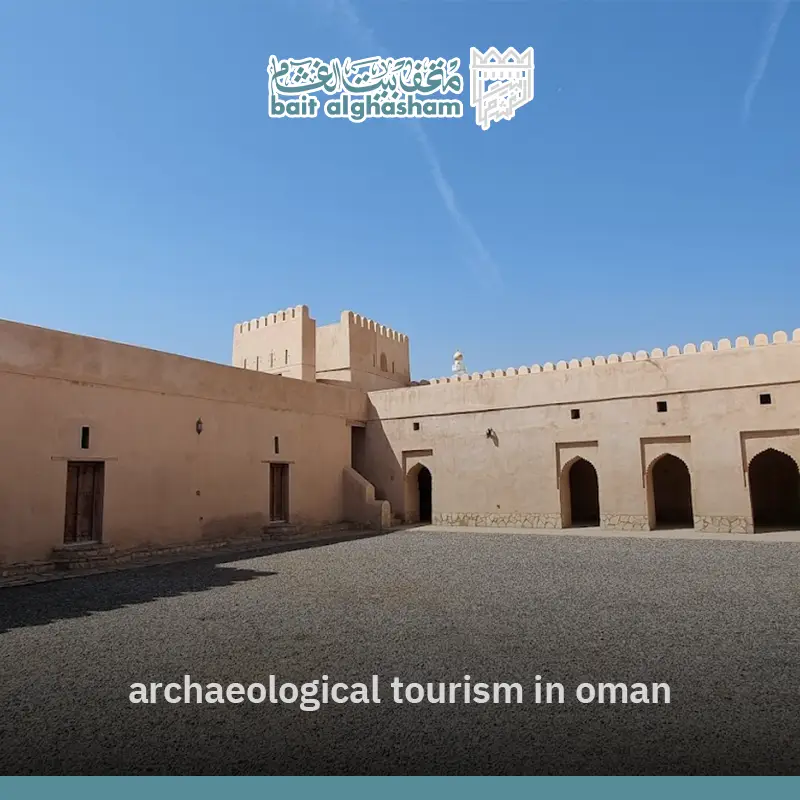
Overview of Archaeological Tourism in Oman
In recent years, historical tourism in Oman has seen a significant rise as travelers seek more authentic and educational experiences. The landscape is dotted with remnants of ancient empires that once controlled the lucrative frankincense trade and maritime routes. Today, oman archaeology is a key pillar of the nation’s vision to preserve its identity while welcoming the world to explore its rich, multi-layered past.
Important Archaeological Sites
The diversity of archaeological sites in Oman is staggering, spanning from the early Stone Age to the Islamic era. Many of these locations are recognized as UNESCO World Heritage sites, highlighting their global significance and the Sultanate’s commitment to preserving human history.
- Bat, Al-Khutm, and Al-Ayn: Located in the Al Dhahirah region, these are perhaps the most famous Bronze Age necropolises in the world. They feature the iconic “beehive” tombs that date back to the 3rd millennium BCE. Walking through these ancient sites in Oman gives you a hauntingly beautiful glimpse into prehistoric funeral rites and early human settlement patterns.
- Sumhuram (Khor Rori): This ancient fortified port city in Dhofar was once the beating heart of the global frankincense trade. Established in the 4th century BCE, it offers a fascinating look at Oman archaeology through its preserved gates, temples, and storehouses that once linked the Arabian Peninsula to the Mediterranean and India.
- Al-Baleed Archaeological Park: A stunning coastal site in Salalah that seamlessly combines history with natural beauty. As a UNESCO site, it showcases the ruins of a medieval trading hub. Visitors can explore the remains of the grand mosque and the ancient city walls, which are central to Oman history tourism.
- Ubar (The Lost City): Often referred to as the “Atlantis of the Sands,” this site in the Rub’ al Khali desert was a vital desert outpost for frankincense caravans. Its discovery using satellite imagery remains one of the most exciting chapters in modern archaeological tourism in Oman.
- Qalhat (The Ancient City): Located near Sur, this was a major stop for famous travelers like Marco Polo and Ibn Battuta. The Bibi Maryam Tomb is the most prominent standing structure, serving as a silent witness to the city’s former glory as a thriving maritime power.
- Bisya and Salut: These sites in the Al Dakhiliyah region contain massive circular stone towers and remains of ancient irrigation systems that predate the Iron Age. They are essential for understanding the early development of Omani social structures and oman heritage sites.
Ancient Forts and Castles
No exploration of oman history tourism is complete without visiting the legendary ancient forts in Oman. These structures are far more than mere military defenses; they are architectural masterpieces that tell stories of power, engineering, and artistic flair.
- Bahla Fort: A UNESCO World Heritage site, this is a massive mud-brick fortress that stands as a testament to the engineering prowess of the Banu Nebhan tribe. Its sprawling walls and towers, built from clay and straw, have survived for centuries, making it one of the most iconic oman heritage sites.
- Nizwa Fort: Famous for its massive 30-meter high circular tower, this 17th-century stronghold remains one of the most visited ancient sites in Oman. It features a sophisticated defense system, including hidden pitfalls and murder holes, while offering breathtaking views of the surrounding date plantations and the vibrant Nizwa Souq.
- Al Hazm Castle: Often described as a masterpiece of oman military architecture, Al Hazm is unique because it was built without traditional wooden ceiling rafters. Its massive carved doors and secret escape tunnels showcase a high level of luxury combined with defensive readiness, distinguishing it from other heritage forts in Oman.
- Al Rustaq Fort: One of the tallest and oldest oman historical forts, its history dates back to pre-Islamic times. With its four massive towers and deep wells, it served as a seat of power and a center of learning, reflecting the deep-rooted oman archaeology of the Al Batinah region.
- Nakhal Fort: Perched dramatically on a rocky hill at the foot of the Hajar Mountains, this fort follows the irregular shape of the rock it sits on. It is a prime example of how ancient forts in Oman integrated natural topography into their defensive designs.
- Jalali and Mirani Forts: These twin fortresses guard the entrance to the Old Muscat harbor. Built during the Portuguese occupation and later reclaimed by the Omanis, they represent a significant era in oman history tourism, standing as sentinels over the Sultanate’s maritime history.
- Khasab Castle: Located in the Musandam Peninsula, this fort serves as a cultural gateway, featuring a central tower that houses a museum. It highlights the maritime defense strategies used in the Strait of Hormuz, making it a unique stop in the circuit of oman fortresses.
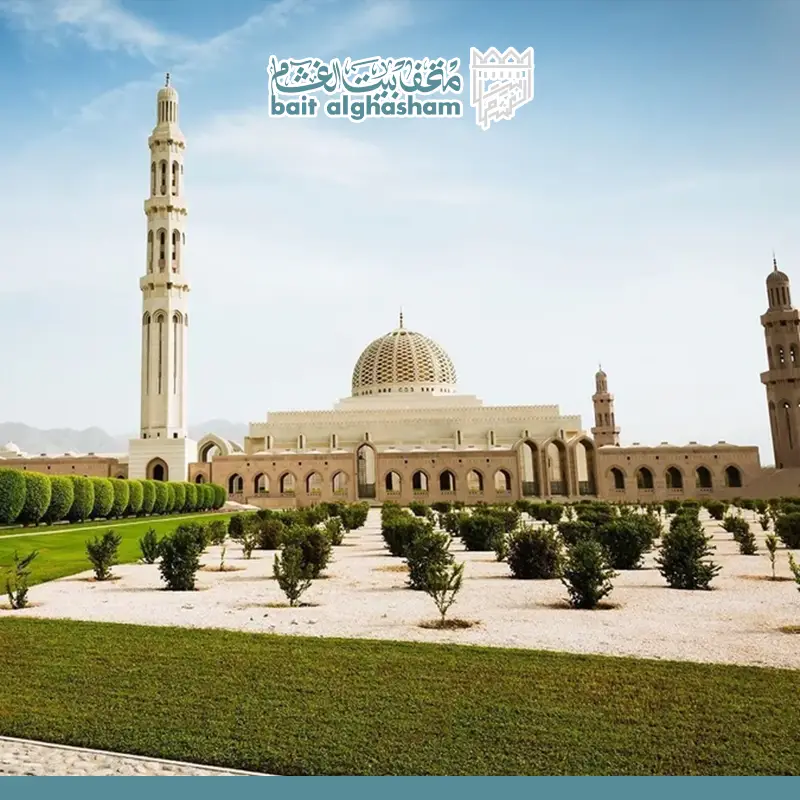
Museums Featuring Archaeology
For those who prefer a curated and immersive experience, several museums across the Sultanate provide deep context to the nation’s finds. These institutions are essential stops for anyone interested in oman archaeology, as they house the physical evidence of civilizations that flourished thousands of years ago.
- The National Museum: Located in the heart of Muscat, this is the Sultanate’s flagship cultural institution. It houses the most comprehensive and technologically advanced collection of artifacts related to oman archaeology. From prehistoric stone tools to the maritime treasures of the Islamic era, the museum’s galleries offer a chronological journey through oman history tourism, featuring rare bronze weaponry, ancient jewelry, and reconstructed archaeological sites.
- Bait Al Ghasham Museum: Located in Wadi Maawal and managed by the Bait Al Ghasham Group, this site is unique because it bridges the gap between archaeology and domestic heritage. While many oman heritage sites focus on military or royal history, Bait Al Ghasham shows how ancient traditions and architectural techniques evolved into daily Omani life. Visitors can see how archaeological materials like Sarooj (traditional mortar) were used to create one of the most beautiful historical houses in Oman, making it a vital link in the chain of oman cultural landmarks.
- Land of Frankincense Museum: Specifically focused on the archaeological history of the Dhofar region, this museum is situated within the Al-Baleed Archaeological Park. It is divided into two main halls: the Maritime Hall and the Archaeological Hall. It provides an in-depth look at how the frankincense trade shaped ancient sites in Oman, displaying artifacts recovered from the ports of Sumhuram and Al-Baleed.
- Oman Across Ages Museum: Located in Manah, this modern marvel is a must-visit for archaeological tourism in Oman. It utilizes cutting-edge interactive displays to tell the story of Oman from the first settlers to the modern renaissance. Its archaeological wing features interactive maps and 3D models of ancient forts in Oman, providing a futuristic way to engage with the past.
- The Private Museum Circuit: Several smaller, private museums in Muscat and regional towns offer specialized archaeological collections, including ancient coins, stamps, and pottery, offering a more intimate perspective on the Sultanate’s heritage forts in Oman and its social evolution.
Guided Archaeological Tours
To fully grasp the stories behind the ruins and the deep layers of the Sultanate’s past, many visitors opt for specialized archaeological tourism in Oman through professional guides. These experts provide invaluable historical context and local legends that you won’t find on information plaques alone.
- Expert Insights: Engaging in guided archaeological tours allows travelers to understand the complex irrigation systems, defensive strategies, and maritime history that shaped the region. Professional guides help visitors “read” the stones of ancient sites in Oman, transforming a simple visit into an educational journey.
- The Heritage Circuit: These tours often cover the famous “Heritage Circuit,” which connects various oman heritage sites such as the towers of Al Rustaq, the majestic Al Hazm Castle, and the domestic beauty of Bait Al Ghasham Museum. This curated approach ensures that tourists witness the full spectrum of Omani history, from military might to social life.
- Logistical Support: Reaching remote archaeological sites in Oman, such as the beehive tombs of Bat or the desert ruins of Ubar, can be challenging. Guided archaeological tours provide necessary logistical support, including 4×4 transportation and navigation through mountain passes, making historical tourism in Oman accessible and safe.
- Tailored Experiences: Whether you are a professional researcher interested in oman archaeology or a family looking for an engaging cultural outing, the Bait Al Ghasham Group and other specialized operators can tailor tours to match your level of interest. This personalized touch is what makes oman history tourism truly world-class.
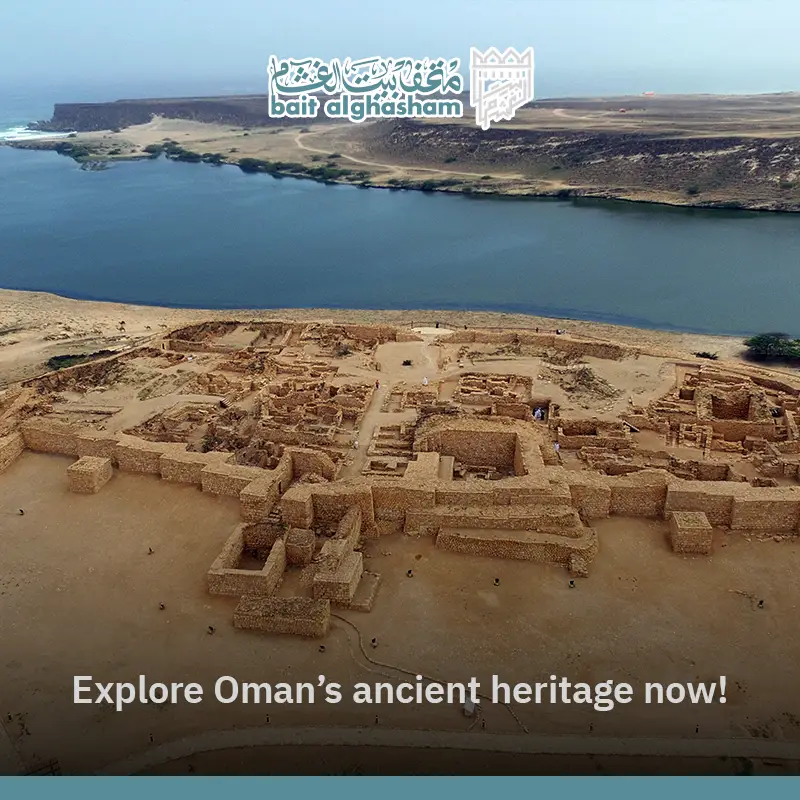
Uncover the Mysteries of the Past
Are you ready to walk in the footsteps of ancient traders and legendary Imams? Archaeological tourism in Oman is a journey that stays with you long after you return home. Let the Bait Al Ghasham Group help you navigate the best of Oman’s history through our managed heritage sites and expert insights.
Start Your Historical Adventure Today
Oman’s history isn’t just in books—it’s etched in every stone.
The most frequently asked questions about archaeological tourism in oman
What are the main archaeological sites in Oman?
Oman is home to several world-class sites, including the UNESCO World Heritage locations of Bat, Al-Khutm, and Al-Ayn (Bronze Age tombs), Sumhuram and Al-Baleed (ancient frankincense ports), and the Ancient City of Qalhat. Additionally, major forts like Bahla, Nizwa, and the domestic heritage site of Bait Al Ghasham are essential landmarks for any history enthusiast.
Is archaeological tourism suitable for children?
Yes, it can be a great educational experience. Many sites, such as Nizwa Fort or the National Museum, offer interactive elements. However, some archaeological sites like the Bat Tombs are in rugged, outdoor areas. For families, we recommend sites with developed facilities like Bait Al Ghasham Museum, where children can explore safely while learning about Omani roots in a “living” environment.
Are there guided tours available?
Absolutely. Guided tours are highly recommended to fully understand the historical context of Oman archaeology. Professional guides can be arranged through the Bait Al Ghasham Group or local tour operators. These experts provide stories and details that aren’t always visible on information signs, especially at remote ancient sites in Oman.
What is the entrance fee for archaeological sites?
Fees are generally very affordable. Most government-managed sites and forts have an entry fee ranging from 1 to 5 Omani Rials (OMR) for adults, with discounted rates for children and residents. Some open-air archaeological sites in remote areas may not have an entry fee but require a 4×4 vehicle to access.
Can I visit multiple sites in one day?
Yes, if you plan geographically. For example, you can easily visit Al Rustaq Fort, Al Hazm Castle, and Bait Al Ghasham Museum in a single day trip from Muscat, as they are located in the same region. However, visiting sites in different governorates (like Muscat and Salalah) in one day is not possible due to the long distances.
Read More in Arabic: اين تقع الاشخره
Read more: places to visit near sohar
Read More in Arabic: الجبل الأخضر الصور