
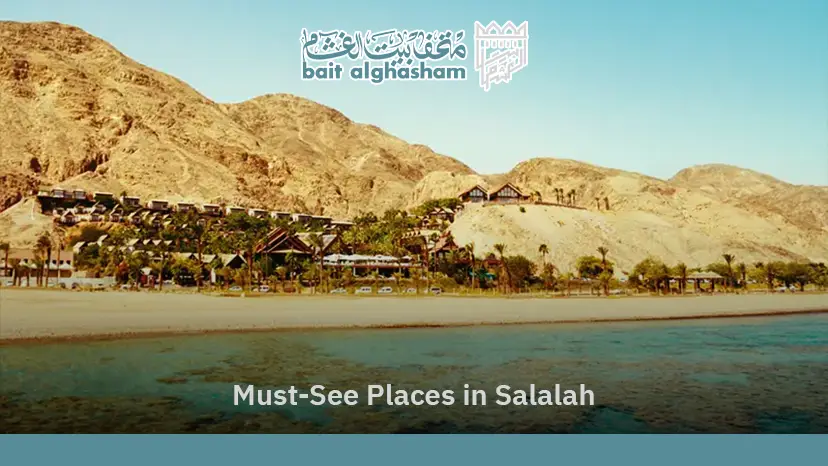
Salalah, the capital of Oman’s Dhofar Governorate, is a destination unlike any other in the Arabian Peninsula. Known for its unique “Khareef” (monsoon) season, it transforms into a lush, emerald landscape that attracts travelers from all over the globe. If you are looking for the best places to see in Salalah, you are in for a journey through mist-covered mountains, ancient ruins, and pristine white-sand beaches.
Why Visit Salalah?
To make this section more scannable and engaging for your readers, here is a breakdown of the key reasons Why Visit Salalah? presented in clear, SEO-friendly points:
- The Khareef Phenomenon: Unlike the rest of the Arabian Peninsula, Salalah experiences a unique monsoon season from June to September. This climatic shift turns the desert into a verdant paradise, making it one of the most sought-after Salalah tourist attractions.
- Cooler Temperatures: While neighboring regions face soaring summer heat, Salalah remains a refreshing haven with temperatures rarely exceeding 25°C to 30°C, accompanied by misty rains and cool breezes.
- A Photographer’s Dream: The mist-covered mountains and sudden emerald-green landscapes offer endless opportunities for capturing Salalah natural wonders, from seasonal waterfalls to lush tropical plantations.
- Biodiversity & Wildlife: It is a rare place where you can see camels grazing in green meadows next to baobab trees, offering a unique twist on the traditional Oman lifestyle and culture.
- The Land of Frankincense: Salalah is the historical heart of the global frankincense trade. Visiting allows you to explore ancient UNESCO-listed sites that define the region’s Salalah sightseeing appeal.
- Tropical Vibes in the Desert: With its abundance of coconut fringes, banana plantations, and papaya groves, the city offers a “tropical island” feel that is unique among Salalah tourist spots.
What Are the Top Tourist Attractions in Salalah?
When exploring the city’s heart, visitors discover a perfect balance between ancient heritage and modern urban charm. These Salalah tourist attractions are essential for understanding the identity of the Dhofar region, and they represent some of the most accessible places to see in Salalah:
- Sultan Qaboos Mosque: As the largest mosque in the Dhofar Governorate, this is a true masterpiece of Islamic architecture. Located in the bustling city center, it features two towering minarets and a massive central dome. The interior is adorned with intricate wood carvings, massive crystal chandeliers, and a hand-woven carpet that reflects the finest traditional Oman culture. It is a serene landmark that welcomes visitors to appreciate its grand scale and delicate artistry.
- The Land of Frankincense Museum: Situated within the Al Baleed Archaeological Park, this museum is a must-visit to understand the trade that once made Oman one of the wealthiest nations on earth. It is divided into two main halls:
- The Maritime Hall: Showcasing Oman’s incredible shipbuilding history and its dominance over the Indian Ocean trade routes.
- The History Hall: Highlighting the archaeological findings of the region and the global “Frankincense Trail.” This is a cornerstone of heritage tourism in Oman, providing deep context to the ruins you see outside.
- Al Hosn Palace (Old Waterfront Palace): This majestic palace serves as the summer residence of the Sultan. While the interior is not open to the public, the palace’s grand gates and white-washed walls offer some of the best Salalah sightseeing photo opportunities. It is located right on the edge of the Haffa beachfront, surrounded by lush coconut groves and the fragrant Haffa Souk.
- Haffa Souk: No list of Salalah tourist spots is complete without this traditional market. Located adjacent to Al Hosn Palace, it is the best place to witness the oman lifestyle and culture. Here, the air is thick with the scent of burning frankincense (Luban), and you can buy authentic Dhofari perfumes, colorful Mussar (turbans), and hand-carved incense burners.
- The Fruit Huts of Salalah: A unique urban attraction, these tropical stalls line the roads near the palace. Visiting them to drink fresh coconut water directly from the shell or to taste local “sugar-bananas” is a quintessential part of any Salalah natural wonders tour.
Exploring Salalah’s Natural Wonders
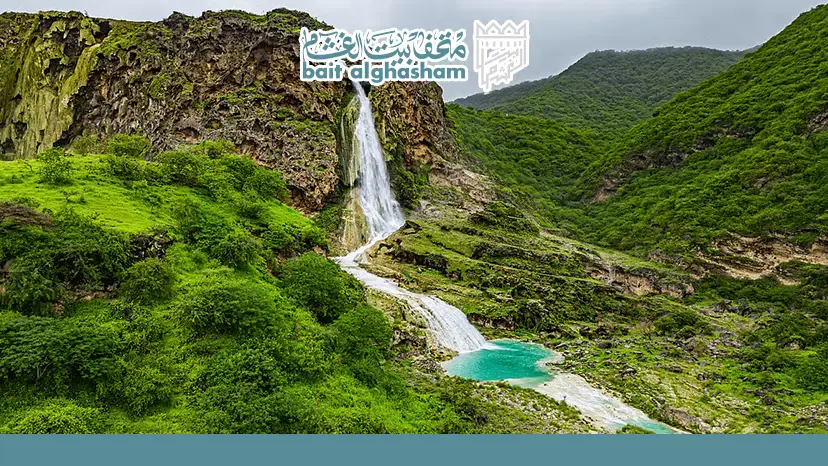
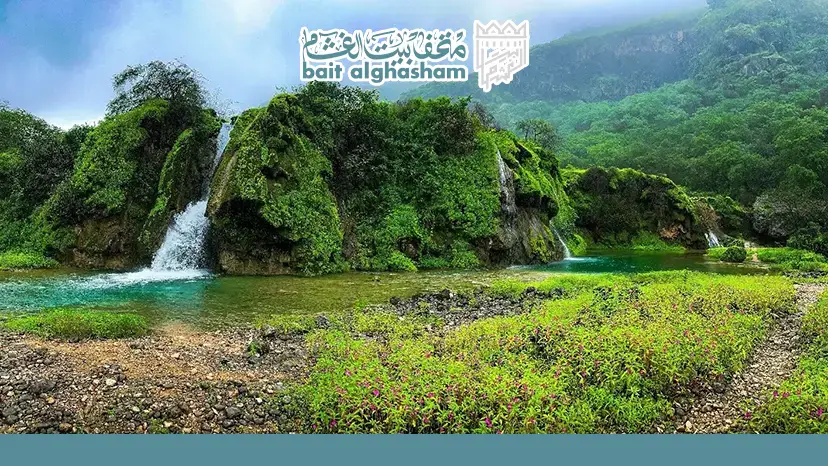
The true magic of the region lies in its Salalah natural wonders. During the Khareef, the mountains turn vibrant green, and waterfalls appear out of nowhere.
- Wadi Darbat: Perhaps the most famous of all Salalah tourist spots, featuring a massive lake, waterfalls, and roaming camels amidst lush greenery.
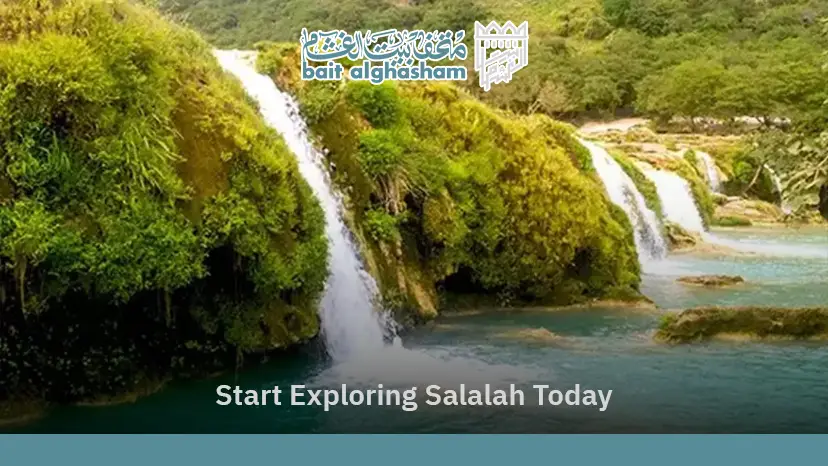
- Ayn Athum & Ayn Khor: Stunning seasonal waterfalls that look like something out of a tropical rainforest.
- Jabal Samhan: For those seeking a view from above the clouds, this limestone plateau offers breathtaking vistas of the coast.
Are There Historical and Cultural Sites to Visit?
Beyond its breathtaking greenery, the city is a treasure trove for history buffs looking for the most significant places to see in Salalah. The region’s historical attractions include some of the oldest archaeological wonders in the Arabian Peninsula, many of which are recognized by UNESCO as part of the “Land of Frankincense.
- Al Baleed Archaeological Park (UNESCO World Heritage Site): This is the crown jewel of historical sites in Salalah. Walking through the ruins of this 12th-century medieval port, you can visualize the ancient city of Zafar. The site is beautifully landscaped and features the Land of Frankincense Museum, offering a deep dive into Oman’s maritime glory.
- Sumhuram (Khor Rori): Located about 40km east of the city, this ancient fortified port dates back to the 3rd century BC. Perched majestically over a freshwater lagoon (Khor Rori), it was once the most important frankincense shipping hub in the world. It is a top-tier Salalah sightseeing spot for those who appreciate ancient stone architecture and stunning coastal views.
- Prophet Job’s Tomb (Nabi Ayoub): Nestled high in the green slopes of Jabal Ittin, this site holds immense spiritual significance for Muslims, Christians, and Jews alike. Beyond its religious importance, the journey to the tomb offers some of the most spectacular Salalah natural wonders, with mist-covered roads and panoramic views of the plains below.
- Taqah Castle: A beautiful 19th-century landmark located in the fishing village of Taqah. Unlike the massive desert forts, this “residential castle” offers an intimate look at the Oman lifestyle and culture. Visitors can explore the Wali’s (Governor’s) living quarters, traditional kitchens, and defensive watchtowers.
- The Lost City of Ubar (Shisr): For the adventurous traveler, a trip into the Rub’ al Khali desert leads to the ruins of Ubar, often called the “Atlantis of the Sands.” This UNESCO site was a vital stop on the inland frankincense caravan route and is a fascinating addition to any heritage tourism in Oman itinerary.
- Bin Ali’s Tomb: Located near Mirbat, this 14th-century mausoleum with its iconic twin white domes is a masterpiece of medieval Islamic architecture. It is surrounded by an ancient cemetery and serves as a quiet, reflective spot for those exploring the eastern Salalah tourist spots.
- Old Mirbat Town: Take a stroll through the old merchant houses of Mirbat. Although many are in ruins, their intricately carved wooden doors and windows tell the story of a time when this was a booming port for trading horses and frankincense.
Best Beaches and Coastal Spots in Salalah
The coastline is home to some of the most beautiful Salalah tourist spots.
- Al Mughsail Beach: Famous for its white sand and the dramatic “Marneef Cave.”
- The Blowholes: Right next to Marneef Cave, these natural vents shoot sea water high into the air during high tide.
- Taqah Beach: A serene spot perfect for watching local fishermen and visiting the Taqah Castle.
How to Plan a Day Trip Around Salalah?
To cover the best places to see in Salalah, divide your trips into East and West:
- The East Route: Focus on Taqah, Wadi Darbat, and the ruins of Sumhuram.
- The West Route: Head towards Al Mughsail Beach, the Zig-Zag road, and the hidden beaches near Fazayah.
Shopping, Markets, and Local Experiences
No visit to Salalah tourist attractions is complete without exploring the local markets.
- Haffa Souk (The Frankincense Market): Located near the Sultan’s waterfront palace, this is the oldest and most atmospheric market in the city. It is widely considered the best place to purchase world-class Hojari Frankincense, harvested from the nearby Nejd desert. As you wander through its narrow alleys, you can watch local women expertly blend traditional Dhofari perfumes (Oud and Bukhoor). It is also a treasure trove for hand-woven textiles, colorful Salalah-style thobes, and intricately carved incense burners, making it a highlight for Salalah sightseeing.
- The Tropical Fruit Huts: A unique feature of Salalah’s urban landscape is the abundance of lush plantations right in the city center. Lining the roads near the Al Haffa area, these thatched-roof stalls offer a “tropical island” experience in the heart of Arabia.
- Must-Try: Do not miss the chance to sip fresh, chilled coconut water (Mashali) directly from the fruit.
- Local Produce: You can also buy bunches of “sugar bananas,” papayas, and guavas grown in the surrounding groves. These stalls are favorite Salalah tourist spots for a quick, refreshing break during a day of exploration.
- Gold and Silver Souk (Central Salalah): For those interested in Omani craftsmanship, the central market houses skilled silversmiths who specialize in the Dhofari Khanjar (dagger). The silver work here often features distinct patterns unique to southern Oman, offering a more specialized shopping experience compared to the general Salalah tourist attractions.
- Traditional Dining Experiences: To complete your local experience, visit the “Mudhbi” stalls in the Ittin Caves area. Here, you can witness the traditional way of cooking meat on heated stones—a culinary ritual that is a cornerstone of the Oman traditions and customs.
Tips for a Memorable Visit to Salalah
- Rent a Car: To reach the best Salalah natural wonders, a 4WD or a reliable car is essential.
- Pack Light Jackets: Even in summer, the mountain temperatures during Khareef can be surprisingly cool.
- Respect Nature: Always stay on designated paths in the Wadis to preserve the delicate ecosystem.
Explore Salalah Top Attractions – Don’t Miss Out!
Salalah is a destination that promises peace, adventure, and a deep connection with nature. Whether you are trekking through Salalah tourist spots in the mountains or relaxing on its tropical beaches, this city will leave an indelible mark on your soul.
Don’t just visit Oman—live its history. Join our next cultural excursion to Bait Al Ghasham and taste the true flavors of Omani hospitality”
FAQ about places to see in salalah
What is the best season to visit Salalah?
The “Golden Season” to visit is during the Khareef (Monsoon) season, which runs from late June to early September. During this time, Salalah transforms into a green paradise with cool mists and flowing waterfalls. However, if you prefer sunny beach weather and birdwatching without the crowds, the winter months (October to March) are also an excellent time for Salalah sightseeing.
Can tourists explore natural sites and waterfalls?
Yes, absolutely. Exploring Salalah natural wonders is the highlight of any trip. Visitors can hike through Wadi Darbat, swim in the turquoise pools of Ayn Athum, or witness the dramatic blowholes at Mughsail Beach. During the Khareef, these sites are easily accessible, though wearing sturdy walking shoes is recommended as the terrain can become slippery.
Are there guided tours available in Salalah?
Yes, there is a wide range of guided options. You can book half-day or full-day tours covering Salalah tourist attractions. Many local guides offer specialized “East Salalah” tours (focusing on waterfalls and ruins) and “West Salalah” tours (focusing on beaches and caves). Guided tours are highly recommended for visiting remote Salalah tourist spots like the Empty Quarter or the hidden beaches of Fazayah.