
Bahla Fort is a remarkable architectural masterpiece and holds the distinction of being the first Omani site inscribed on the UNESCO World Heritage list, thanks to its profound historical significance.
This impressive mud-brick fortress is renowned for its massive defensive wall, stretching nearly 12 kilometers and encircling a lush oasis, reflecting both strategic brilliance and environmental harmony.
Today, visiting Bahla Fort offers a rich cultural journey, allowing travelers to step back in time and uncover the depth of Oman’s heritage, making it a key highlight of tourism in the Sultanate of Oman.
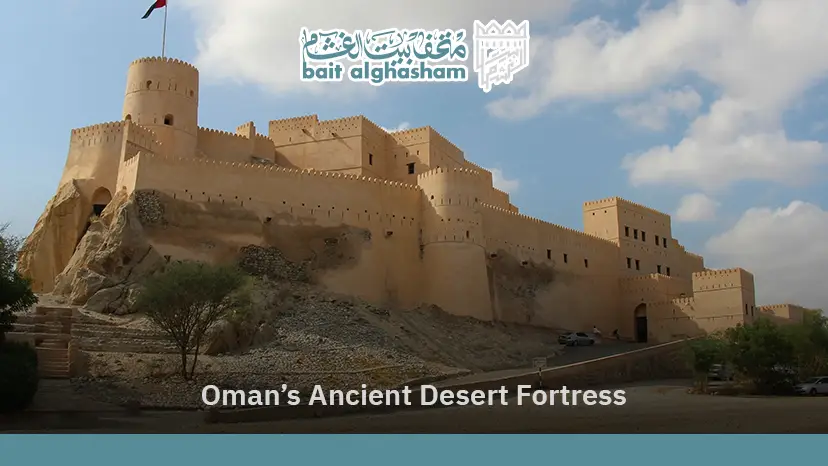
What is Bahla Fort?
Bahla Fort stands as a true masterpiece of traditional Islamic architecture, proudly ranking among the oldest and most expansive historical military fortifications in the Arabian Peninsula.
Far from being just an ancient ruin, it is a living symbol of human resilience and engineering brilliance that has successfully withstood the ravages of time and the harshness of nature.
Recognized as a premier Oman Fort, this prominent landmark is famously encircled by a massive, meandering mud-brick defensive wall. Stretching for roughly twelve kilometers, this formidable barrier completely and securely encloses the ancient green oasis.
The stronghold was primarily constructed and continually expanded by the powerful Banu Nebhan tribe, who exerted absolute control over the central interior region between the 12th and 15th centuries.
Today, the complex serves as a stunningly authentic model of a fortified oasis settlement. It perfectly demonstrates how ancient local communities ingeniously adapted to severe desert conditions to ensure their long-term survival.
Thanks to its immense universal significance and the extraordinary preservation of its ancient structures, Bahla Fort proudly holds the title of Oman’s very first cultural landmark to be globally recognized as a UNESCO World Heritage site.
Location of Bahla Fort in Bahla, Oman
Understanding the precise Bahla Fort location requires a closer look at its unique geographical and urban placement within the country:
Situated in the Ad Dakhiliyah Governorate
The fortress is strategically positioned in the interior region, acting as a vital gateway connecting the majestic northern mountains with the vast southern desert.
Overlooking the Lush Oasis
The monument sits proudly on an elevated rocky base, offering a commanding and highly strategic panoramic view over the surrounding dense palm tree plantations.
By directly overlooking this agricultural landscape, defending military forces could easily monitor movements and protect precious water sources and crops.
Proximity to the Ancient Souq
Just a very short walk from the main gates lies the traditional market, which has effectively been the beating commercial heart of the community for consecutive centuries.
This incredibly close distance beautifully highlights the stronghold’s historical role in strictly safeguarding local merchants and maintaining daily economic activities.
Accessibility from the Capital
Reaching this historical site involves a highly scenic driving journey of roughly two hours originating directly from the modern, bustling city of Muscat.
The advanced highway system connects this ancient oasis seamlessly, allowing international visitors to experience the region’s heritage comfortably and safely.
Architectural Design of Bahla Fort
The stunning engineering of this defensive masterpiece features unique characteristics that make it an unparalleled military marvel:
- The Ancient Citadel Core: The massive complex consists of several main sections built over different periods, with the “Qasaba” being the oldest part featuring immense height.
- Labyrinthine Internal Layout: The interior includes a complex network of winding corridors and hidden stairs meticulously designed to disorient any enemy breaching the outer gates.
- Strategic Watchtowers: Circular and square observation towers are distributed thoughtfully along the high walls to provide comprehensive vantage points for spotting distant threats.
- Integrated Life Support Systems: Early builders cleverly incorporated deep water wells and natural ventilation shafts inside the core structure to sustain the garrison during prolonged sieges.
- Minimalist Islamic Aesthetics: Certain wooden entrances and main chambers are decorated with simple geometric Islamic carvings, adding an elegant artistic touch to the military function.
Building Materials Used (Mud-Brick and Stone Structure)
Ancient architects relied heavily on local, natural materials that provided exceptional durability and sustainability for centuries:
Reinforced Mud-Brick (Mudar)
Clay carefully mixed with straw and gravel forms the dominant foundational material used in constructing the thick walls and multiple interior rooms of the citadel.
This traditional material possesses extremely high thermal insulation properties, providing a comfortably cool indoor environment even during scorching summer days.
Solid Rock Foundations
The entire earthen structure was elevated on a strong natural rocky base, utilizing large, heavy mountain stones to build deep, sturdy lower foundations.
This solid rock base effectively prevents ground moisture from seeping into the clay walls, granting the building exceptional stability against natural environmental elements.
Local Timber for Roofing
Locally sourced palm tree trunks were extensively utilized to create the intricate flat roofs and firmly support the multiple upper floors within the complex.
This natural wood is renowned for its high durability and flexibility, having been traditionally treated by hand to resist pests and securely last for centuries.
Traditional Omani Sarooj
Locally burned Sarooj was applied as a highly potent adhesive and waterproof sealant, particularly in coating areas exposed to water and sensitive vital facilities.
This material nearly equals modern cement in strength, playing a crucial role in protecting the exterior walls from continuous erosion caused by heavy rains.
Fortified Heavy Wooden Doors
The primary gates were crafted from incredibly solid hardwoods and reinforced with massive iron spikes to repel direct breaching or ramming attempts by enemies.
These heavy doors were designed to be the ultimate defensive barrier, clearly reflecting the skill of Omani craftsmen in blending military security with precise handiwork.
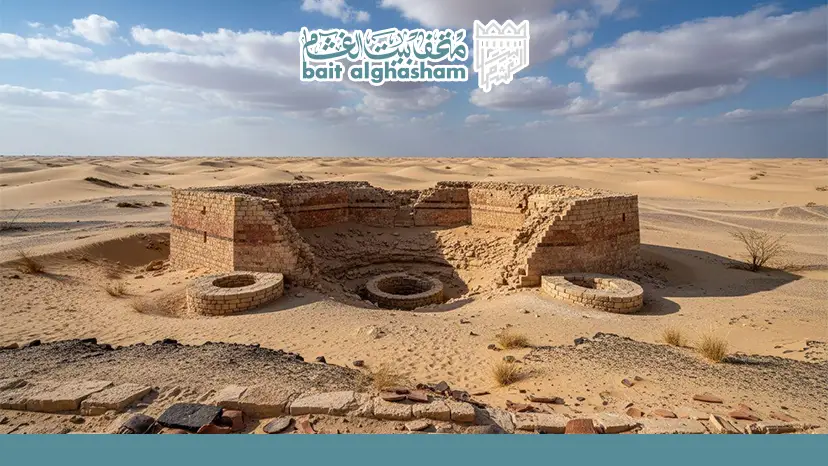
Things to Do at Bahla Fort
Visiting this historic site offers a rich cultural experience filled with engaging exploratory activities for every traveler:
Wandering the Historic Corridors
Enjoy a slow, immersive walk through the winding passageways and dark ancient rooms to discover the secrets of a unique mud-brick architecture from centuries ago.
This unrestricted exploration allows you to deeply feel the grandeur of the place and vividly imagine the daily lives of the soldiers who inhabited these walls.
Climbing the Watchtowers
You can ascend the narrow stone staircases leading to the top of the defensive towers to enjoy an unforgettable panoramic view of the sprawling green oasis.
These elevated, open points serve as an absolutely perfect spot for taking professional photographs that highlight the magical contrast between nature and solid clay walls.
Examining Ancient Construction Techniques
Observe closely how solid rocks, soft clay, and palm trunks were masterfully combined to form this colossal architectural monument capable of defying time entirely.
Informational plaques scattered throughout the site provide valuable details explaining the original materials and precise steps used in the meticulous restoration processes.
Visiting the Nearby Traditional Souq
Immediately after concluding your archaeological tour inside the citadel, we highly recommend heading to the adjacent old market to purchase souvenirs and local pottery.
Visiting this vibrant market grants you the chance to interact directly with friendly locals and experience a living, authentic piece of inherited Omani culture.
Understanding the Falaj Water Systems
Inspect the ancient water channels that flow quietly near the structure, feeding the surrounding palm plantations through a highly precise and genius engineering system.
Understanding the distribution mechanism of these waterways is essential to realizing how life flourished and a sustainable civilization was built in a harsh desert environment.
How to Reach Bahla Fort from Muscat and Nearby Cities
To access this heritage destination smoothly from the capital and surrounding areas, travelers can follow these convenient transportation guidelines:
- Direct Highway Route: The citadel is located roughly 200 kilometers from the capital and can be reached effortlessly by driving along the high-quality, dual-carriageway Nizwa Expressway.
- Scenic Journey from the Airport: The tourist drive from Muscat International Airport takes only about two hours, featuring a stunningly diverse landscape of flat plains and dramatic mountains.
- Short Trip from Nizwa: If you are staying in the nearby historic city, the distance is a mere 40 kilometers, making it a perfect, short day trip to add to your itinerary.
- Public Transportation Options: Regular public buses and reliable taxis connect the capital to the Ad Dakhiliyah governorate daily, offering an economical and highly comfortable alternative to driving.
- Clear Road Signage: The main streets leading to the heritage site are equipped with very clear tourist signs in both Arabic and English, alongside secure designated parking near the main gate.
Learn more about: Mutrah Fort
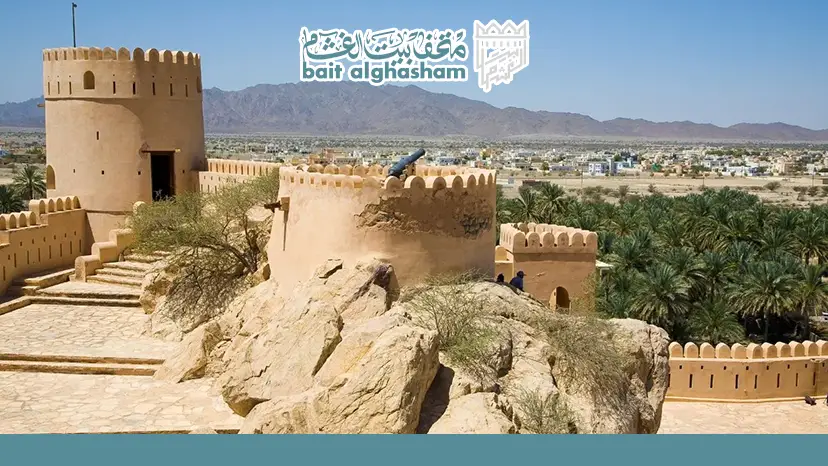
Best Time to Visit Bahla Fort
To ensure a comfortable and highly memorable tourist experience, consider these important seasonal and timing recommendations:
Mild and Pleasant Winter Months
The period extending from November to March is generally considered the best time to visit the Sultanate, offering cool and highly enjoyable weather for outdoor exploration.
This ideal climate allows you to wander for long hours through the expansive corridors without experiencing any fatigue caused by intense solar heat.
Quiet Early Morning Tours
It is highly advisable to begin your archaeological tour in the early hours just after sunrise to completely avoid tourist crowds and enjoy the deep historical serenity.
The soft, diffused morning lighting casts fantastic artistic shadows on the clay walls, creating a perfect environment for photographers and architecture enthusiasts.
Magical Sunset Visits
The late afternoon imparts a special dramatic charm to the citadel, as the walls are cloaked in a warm golden hue reflected from the fading sunset rays.
This breathtaking time is absolutely perfect for climbing the upper towers and watching the sun slowly and quietly disappear behind the palm farms and mountain ranges.
Avoiding the Intense Summer Heat
The entire region experiences extremely high temperatures during the summer months from May to September, making walking in open areas quite exhausting.
If you must schedule your trip during the summer, strictly confine your outdoor activities to the very early morning or shortly before the gates close.
Utilizing Regular Weekdays
To secure a much quieter and more contemplative cultural experience, plan your visit during standard workdays instead of crowded weekends and national holidays.
This smart choice allows you to listen to tour guides with greater focus and roam the courtyards and chambers with complete freedom and zero rushing.
Bahla Fort Entry Fee and Opening Hours
To organize your visit seamlessly and prepare for entry into the ancient site, here are the essential logistical details:
- Daily Operating Hours: The great wooden doors swing open to welcome visitors every day from nine in the morning until four in the afternoon, providing ample time for comprehensive exploration.
- Affordable Ticket Pricing: A very nominal entry fee is set for visitors of all nationalities, with these funds directly supporting daily maintenance and the preservation of this global heritage site.
- Holiday Schedule Variations: Tourists are always advised to verify official working hours in advance, especially on Fridays and religious holidays, when a modified schedule might apply.
- Convenient Ticket Purchase: Entry passes can be easily and swiftly obtained from the reception desk located directly at the main gate, where staff also provide free informational maps.
- Recommended Tour Duration: It is highly preferable to allocate a timeframe of at least one to two hours to conduct a thorough exploratory tour of the entire complex and its towers.
Explore also: Al Mirani Fort
Nearby Attractions Around Bahla Fort
After exploring Bahla Fort Oman, you can enrich your journey by visiting outstanding cultural landmarks, perfectly organized through Bait Al Ghasham Group:
Bait Al Ghasham Historical Museum
Bait Al Ghasham Group stands out as the exclusive official owner and operator of this iconic monument in Wadi Al Maawil, offering unmatched tourist experiences highlighting authentic architecture.
This prestigious museum is the beating heart of the institution’s operations, seamlessly transforming cultural heritage and intricate details into a world-class journey reflecting ancient Omani life.
Barka and Mansour Forts
The capabilities of Bait Al Ghasham Group extend far beyond ownership to operational excellence in managing and developing the most prominent defensive strongholds across the nation.
By choosing this leading institution, you will discover the brilliance of coastal military architecture and enjoy a comprehensive experience blending living history with a secure, family-friendly environment.
The Renowned Nizwa Fort
No historical tour is truly complete without heading to the magnificent Nizwa Fort with its massive circular tower, located just a short distance away to form an unparalleled military duo.
This towering citadel reflects the immense power of ancient defenses and is surrounded by a vibrant traditional souq famous for selling intricate silver jewelry and delicious authentic sweets.
The Enchanting Nakhal Fort Oman
Magnificently perched on a giant rocky base amidst lush palm farms, Nakhal Fort Oman is considered one of the most beautiful fortifications blending military construction with stunning natural formations.
This imposing stronghold offers breathtaking panoramic views of the nearby hot springs, serving as an ideal tourist destination for those seeking relaxation and deep urban history.
The Historic Rustaq Fort
Explore the deeply rooted Rustaq Fort, which served for long periods as the prosperous capital of Oman, featuring four towering observation structures and complex underlying water systems.
Heritage tourism specialists can easily arrange highly organized and comfortable visits to these great landmarks, ensuring you receive a rich, informative cultural experience that captures the noble Omani past.
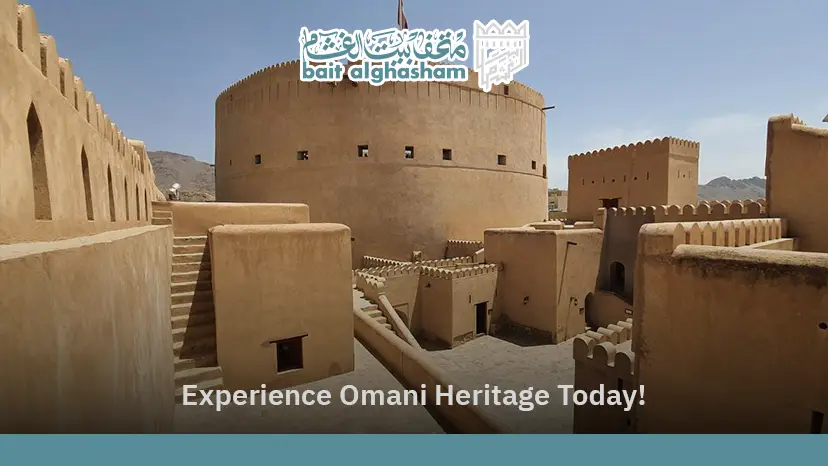
Frequently Asked Questions (FAQs)
Is Bahla Fort suitable for family visits?
Yes, Bahla Fort is an excellent, safe destination for families, offering vast courtyards and engaging historical architecture that fascinates both adults and children alike.
Can I book a guided heritage tour through Bait Al Ghasham Group?
Absolutely. Bait Al Ghasham Group specializes in providing premium, fully integrated tourism experiences across various iconic Omani historical sites and museums.
Are there facilities available near the fortress?
Yes, visitors will find designated parking areas, clean restrooms, and the nearby traditional souq where they can purchase local food, water, and authentic souvenirs.
Read more: barka oman
Read More in Arabic: لوكيشن الاشخره
Read more: salalah visiting places list