
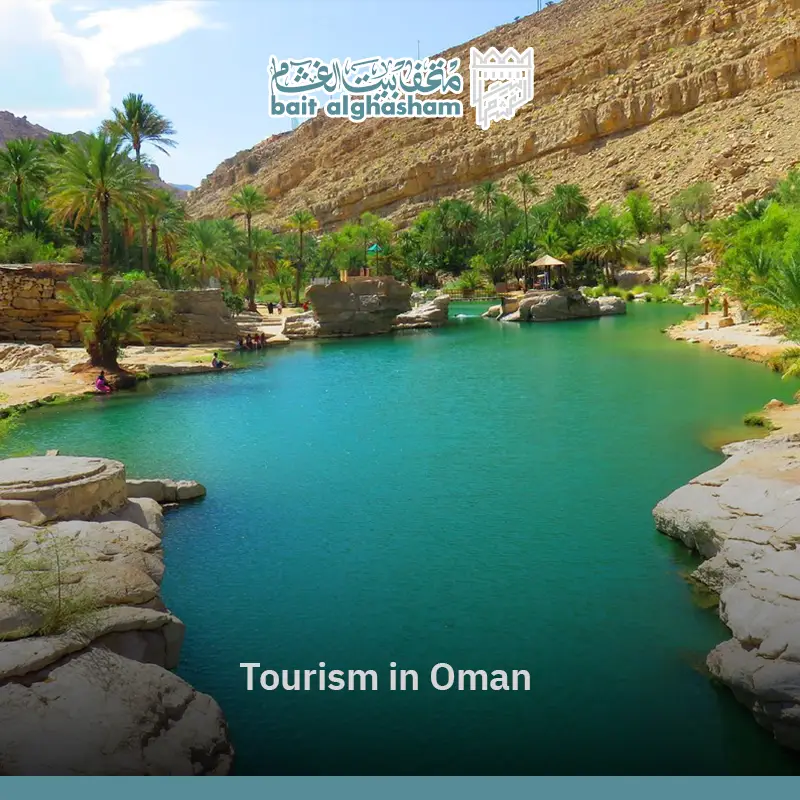
Oman is often described as the “hidden gem” of the Middle East, offering a stark and beautiful contrast to the hyper-modern landscapes of its neighbors. By focusing on sustainable growth and authentic heritage, tourism in Oman has become a premier choice for travelers seeking soul and substance.
Introduction to Tourism in Oman
Oman is a land of breathtaking contrasts, where ancient traditions blend seamlessly with a quiet, modern sophistication. Embarking on an oman travel experience means discovering a country that prioritizes hospitality (Karam) above all else. From the rugged peaks of the Hajar Mountains to the crystal-clear waters of the Arabian Sea, the Sultanate offers a diverse landscape that caters to adventurers, history buffs, and luxury seekers alike.
Popular Tourist Destinations in Oman
When planning to visit Oman, several key hubs stand out as essential stops that showcase the diversity and cultural richness behind tourism in Oman. From vibrant coastal cities to lush southern landscapes and historic cultural centers, these destinations form the backbone of any comprehensive Oman travel guide.
Muscat:
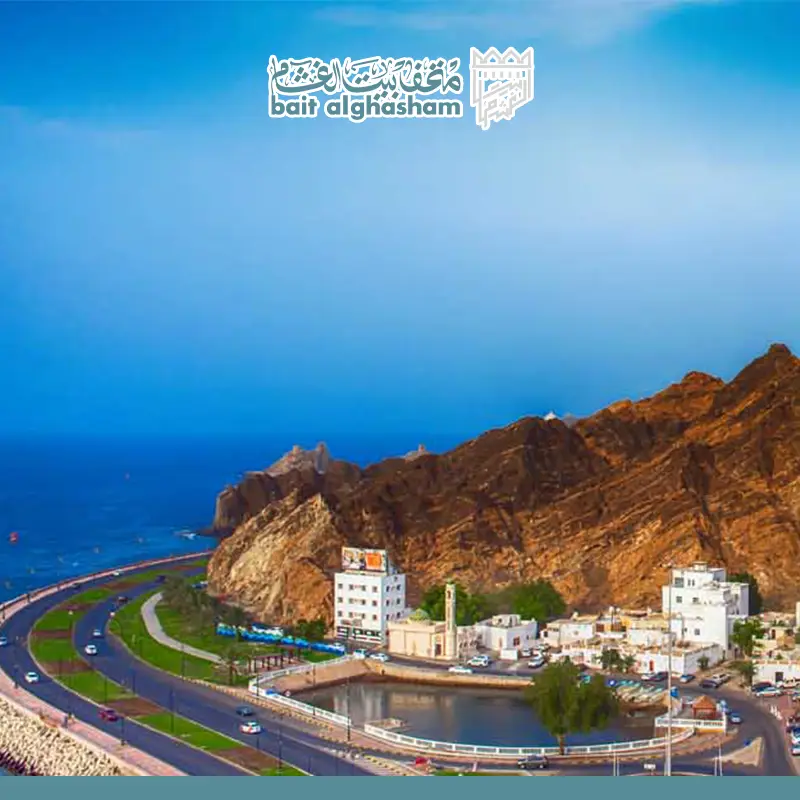
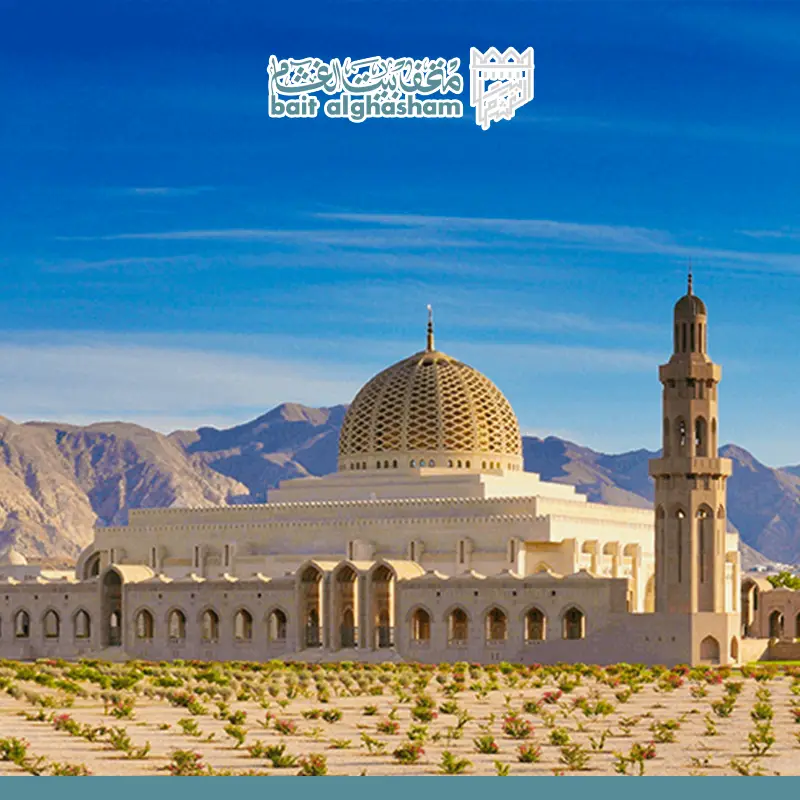
The Serene Capital As the gateway to the Sultanate, Muscat is a rare gem that has preserved its traditional low-rise white architecture against a backdrop of rugged volcanic mountains. No oman travel experience is complete without marveling at the Sultan Qaboos Grand Mosque, home to one of the world’s largest hand-woven carpets and a magnificent Swarovski chandelier. Visitors can stroll along the Mutrah Corniche at sunset or explore the opulent Royal Opera House Muscat, which serves as a bridge between Eastern and Western musical cultures.
Salalah:
The Emerald of the South Located in the Dhofar Governorate, Salalah offers a starkly different climate and landscape compared to the rest of the Arabian Peninsula. During the Khareef (monsoon) season—from late June to early September—the city and its surrounding mountains transform into a lush, misty green paradise. It is one of the top oman holiday destinations for those seeking waterfalls, fruit plantations (famous for bananas and coconuts), and the ancient frankincense trails that once connected Oman to the Roman Empire.
Nizwa:
The Cultural Pulse Formerly the capital of Oman in the 6th and 7th centuries, Nizwa remains the country’s cultural heart. Dominating the skyline is the Nizwa Fort, a 17th-century masterpiece featuring a massive circular tower designed to withstand mortar fire. Adjacent to the fort is the Nizwa Souq, one of the oldest and most vibrant oman tourism attractions. Here, you can witness the famous Friday cattle market or purchase intricate silver Khanjars (traditional daggers) and locally made pottery.
Sur and Ras Al Jinz:
The Maritime Legacy A few hours from the capital lies the coastal town of Sur, historically renowned for its dhow-building yards. It remains one of the most authentic places to visit in oman for maritime enthusiasts. Nearby, the Ras Al Jinz Turtle Reserve provides a rare opportunity for oman sightseeing at its most natural, where thousands of green sea turtles return annually to the very beach where they were born to lay their eggs.
Natural Attractions and Landscapes
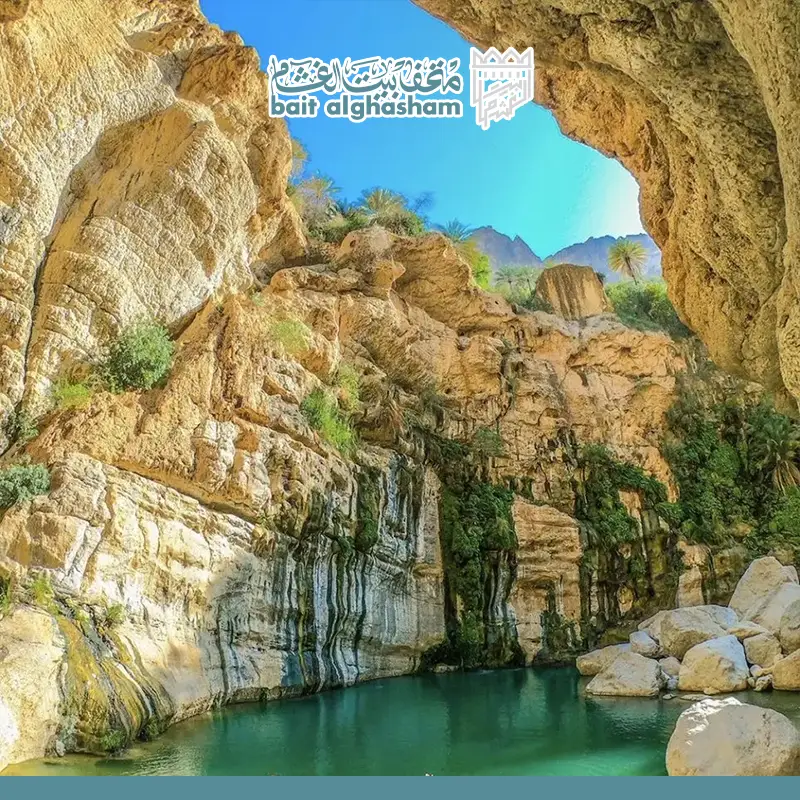
The sheer diversity of natural scenery is one of the defining features of tourism in Oman. From towering mountain ranges and vast deserts to lush valleys and protected marine reserves, the country’s dramatic geology creates unforgettable landscapes. For travelers seeking the ultimate Oman sightseeing experience, these natural wonders represent some of the most remarkable highlights of tourism in Oman.
Jebel Akhdar & Jebel Shams:
The Peaks of the Hajar Range Commonly known as the “Green Mountain,” Jebel Akhdar is famous for its Mediterranean climate and agricultural terraces where pomegranates, walnuts, and the famous Omani damask roses thrive. For the more adventurous, Jebel Shams (the “Mountain of the Sun”) stands as the highest point in the Sultanate. It is home to the spectacular Wadi Nakhr, often referred to as the “Grand Canyon of Arabia,” offering breathtaking trekking paths and cliff-side views that are unparalleled in the region.
Sharqiya Sands:
The Golden Wilderness An integral part of any oman travel guide, the Sharqiya Sands (formerly Wahiba Sands) are a vast sea of undulating dunes that stretch as far as the eye can see. This desert offers a quintessential oman travel experience, where visitors can transition from high-speed dune bashing to the serene silence of a sunset camel trek.
The Wadis:
Oman’s Emerald Oases The Sultanate’s wadis (valleys) are among the most beautiful places to visit in oman, serving as natural water parks carved into limestone mountains.
- Wadi Bani Khalid: A year-round paradise with large pools of constant turquoise water surrounded by lush palm groves.
- Wadi Shab: A favorite for hikers, where a trek through narrow canyons leads to a hidden cave with a stunning interior waterfall.
- Wadi Tiwi: Known as the “Wadi of Nine Villages,” it offers a glimpse into traditional Omani farming life amidst deep green plantations.
The Dimaniyat Islands:
An Underwater Sanctuary For those looking to visit oman for its marine life, the Ad Dimaniyat Islands Nature Reserve is a must-see. This archipelago is a haven for hawksbill and green sea turtles, as well as an array of colorful coral reefs. It is widely considered one of the best oman holiday destinations for snorkeling and diving, offering crystal-clear visibility and a chance to swim alongside whale sharks during their migration season.
Explore also: Al Mirani Fort
Historical Sites to Visit
The list of places to visit in Oman is a journey through millennia of human civilization, making historical exploration a central part of tourism in Oman. While the UNESCO World Heritage sites are the crown jewels, the Sultanate’s landscape is dotted with over 500 forts, castles, and ancient towers that tell a story of resilience and strategic brilliance.
- Bahla Fort: The UNESCO Masterpiece This massive mud-brick fortress is a testament to the engineering prowess of the Banu Nebhan tribe. Enclosed by a 12-mile wall, Bahla Fort is one of the oldest and largest in the country. Its intricate maze of rooms and defensive towers makes it a cornerstone of any oman sightseeing tour focused on medieval architecture.
- The Land of Frankincense: The Ancient Trade Route Located in the Dhofar region, these four distinct archaeological sites—including the ancient ports of Al Baleed and Sumhuram—trace the history of the world’s most precious resin. This site explains how Oman was once the hub of a global trade network reaching as far as Rome and China, making it an essential stop for those who visit Oman to understand its global historical footprint.
- Jabreen Castle: The Palace of Science and Art Built in the late 17th century, Jabreen Castle is widely considered the most beautiful castle in the Sultanate. Unlike defensive forts, this was a center of learning. It is famous for its painted ceilings, intricate wood carvings, and hidden “date cellars” used to produce syrup while doubling as a defensive measure.
- Al-Mina’a & Ancient Qalhat: The Gateway of the East The ruins of Qalhat, another UNESCO site near Sur, offer a hauntingly beautiful look at a once-great medieval city. The Bibi Maryam Mausoleum remains a poignant landmark of this coastal trading hub that was once visited by famous travelers like Ibn Battuta and Marco Polo.
Learn more about: Mutrah Fort
Cultural Experiences in Oman
Oman is a destination where culture is lived, not just displayed. Wandering through Mutrah Souq allows you to breathe in the scent of frankincense and spices. For a touch of modern culture, the Royal Opera House Muscat hosts world-class performances in a stunning architectural setting. No oman travel guide is complete without mentioning the ritual of “Omani Kahwa” (coffee) and dates—a symbol of the deep-rooted local hospitality you will encounter everywhere.
Best Times to Visit Oman
Choosing the right season can greatly enhance your experience of tourism in Oman, as the country offers different landscapes and activities depending on the time of year.
- October to April: This is the peak season for most oman holiday destinations. The weather is pleasantly warm, making it ideal for hiking, desert safaris, and city tours.
- June to August: While the rest of the region is hot, this is the best time to visit Salalah. The Khareef season transforms the desert into a misty, green landscape.
Read also: Nakhal Fort
The most frequently asked questions about tourism in oman
What are the main attractions in Oman for tourists?
Oman offers a diverse palette of experiences that cater to different interests:
- Cultural Icons: The Sultan Qaboos Grand Mosque, the Royal Opera House Muscat, and the historic Nizwa Fort.
- Natural Wonders: Wadi Shab and Wadi Bani Khalid for turquoise water swimming, the terraced gardens of Jebel Akhdar, and the dramatic “Grand Canyon” at Jebel Shams.
- Unique Experiences: Luxury glamping in Sharqiya Sands, turtle watching at Ras Al Jinz, and the lush, misty landscapes of Salalah during the monsoon season.
What types of tours are available in Oman?
There is an oman travel experience for every type of traveler:
- Adventure & Desert Safaris: 4WD dune bashing in the Sharqiya Sands and mountain trekking in the Hajar range.
- Marine & Coastal Tours: Dolphin watching in Muscat, world-class snorkeling in the Dimaniyat Islands, and traditional Dhow cruises in the fjords of Musandam.
- Heritage & History Tours: Guided walks through ancient forts, UNESCO archaeological sites, and traditional souqs.
- Luxury & Wellness: High-end retreats in Jebel Akhdar and coastal resorts offering world-class spa treatments.
How can I plan a trip to Oman efficiently?
Planning ahead helps you enjoy the best experiences that tourism in Oman has to offer. If you’re preparing for a trip in 2026, this concise guide will help you organize a smooth and memorable journey:
- Best Time: Visit from October to April for mild weather, or June to September for the green “Khareef” season in Salalah.
- Expert Support: Partner with Bait Al Ghasham Group, a pioneer in Omani heritage tourism. They specialize in managing historic landmarks like Bait Al Ghasham Museum and Barka Fort, offering curated cultural tours, professional guides, and integrated travel packages.
- Essential Transport: Rent a 4WD vehicle. It is the most effective way to access the Hajar Mountains, the desert, and various wadis where standard cars cannot go.
- Smart Itinerary: Focus on a “Triangle Route”: Muscat (2 nights) → Nizwa/Jebel Akhdar (2 nights) → Sharqiya Sands (1 night).
- Pro Tip: Book your heritage lodgings and desert camps early through Bait Al Ghasham Group to secure authentic stays at their managed historical sites.
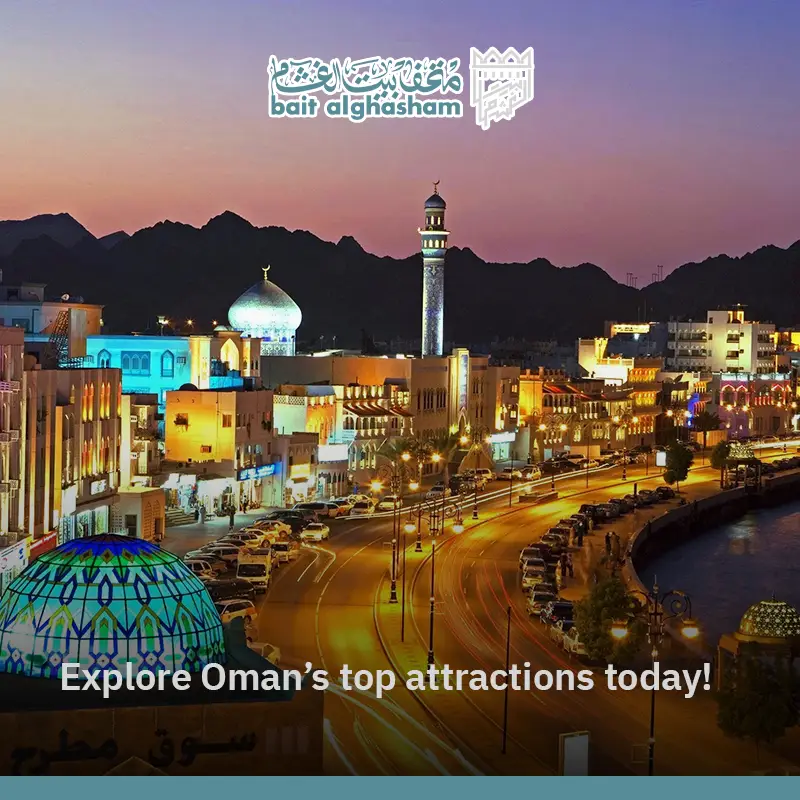
Experience Oman with Bait Al Ghasham Group
- Tailored Heritage Tours: Book specialized packages (Family, Adventurer, or Heritage Lovers) that bring Omani history to life.
- Exclusive Cultural Access: Enjoy guided visits to their privately managed sites, including the Bait Al Ghasham Museum and the historic Barka Fort.
- Seamless Logistics: Let their team handle your transportation, professional guides, and custom itineraries for a stress-free experience.
Book your 2026 adventure today!
Read More in Arabic: افضل وقت لزيارة الجبل الاخضر عمان
Read More in Arabic: أماكن جميلة في عمان للعائلات
Read More in Arabic: فعاليات في مسقط للاطفال
Read more: barka beach oman
Read more: muscat near tourist places